

Wait… What Happened to NSW Groups 3 and 10? | San Diego Change of Command Photographer
A Behind-the-Scenes Look at Naval Special Warfare Group 8 Through a Change of Command Ceremony
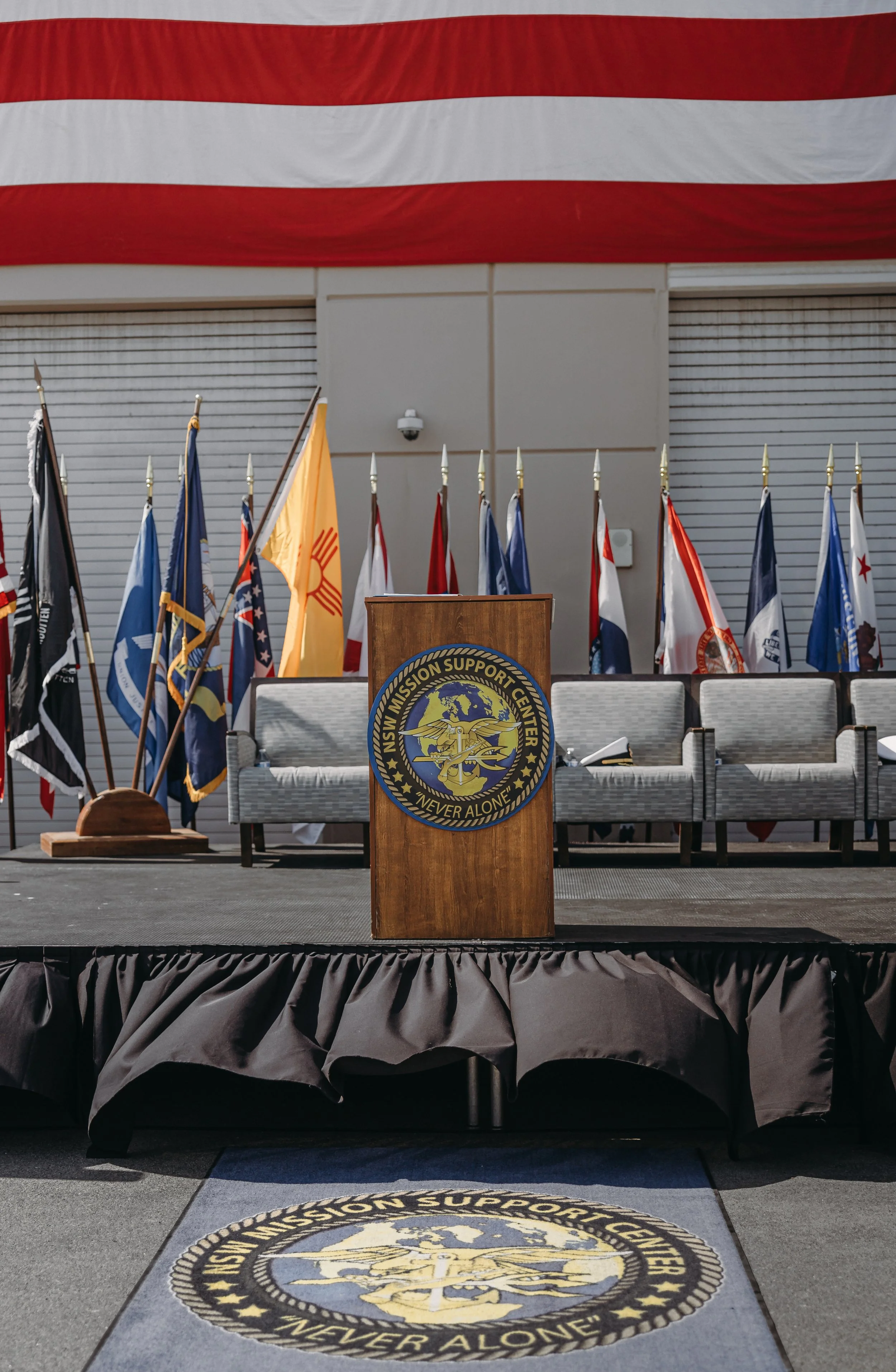
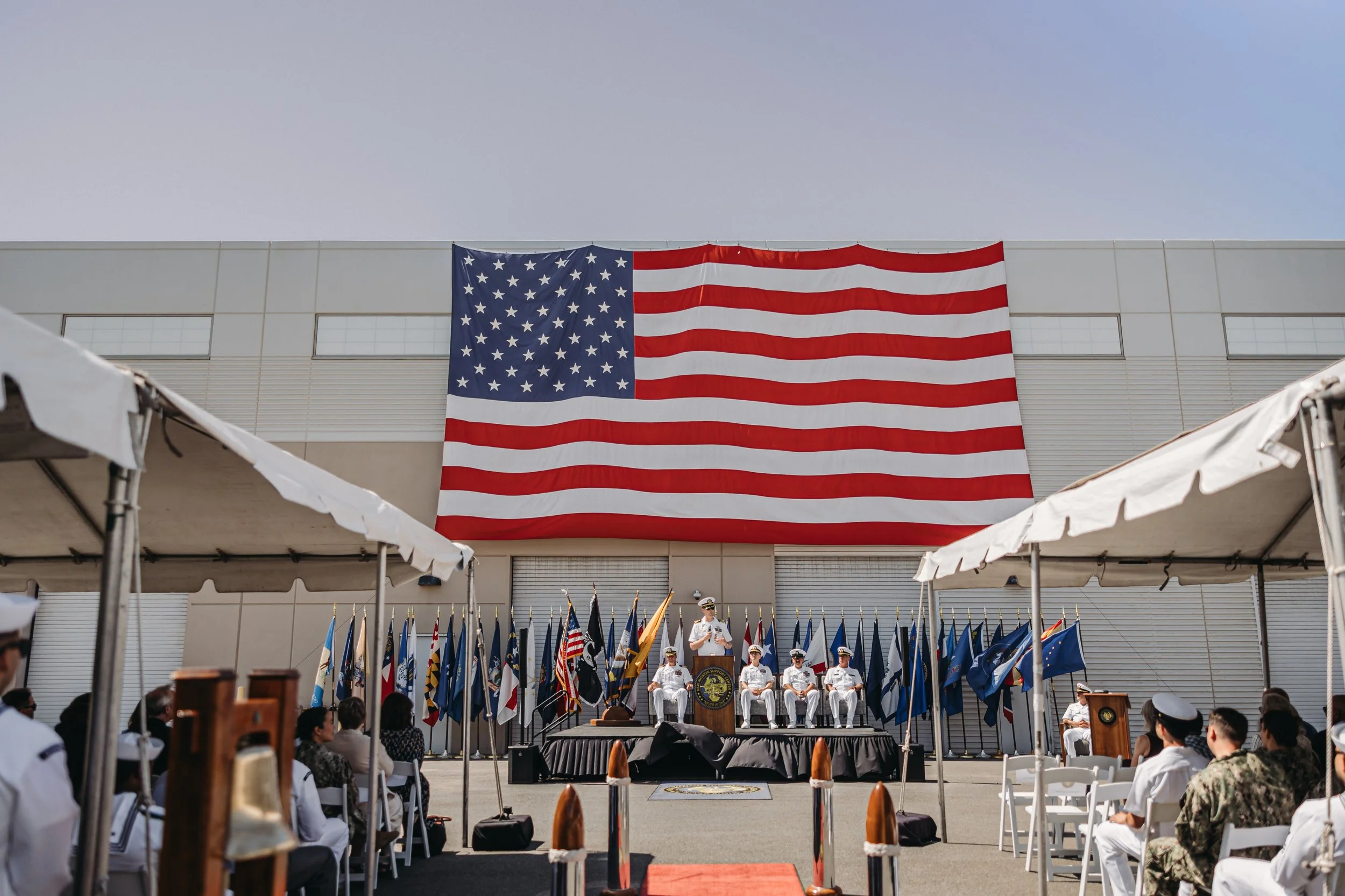
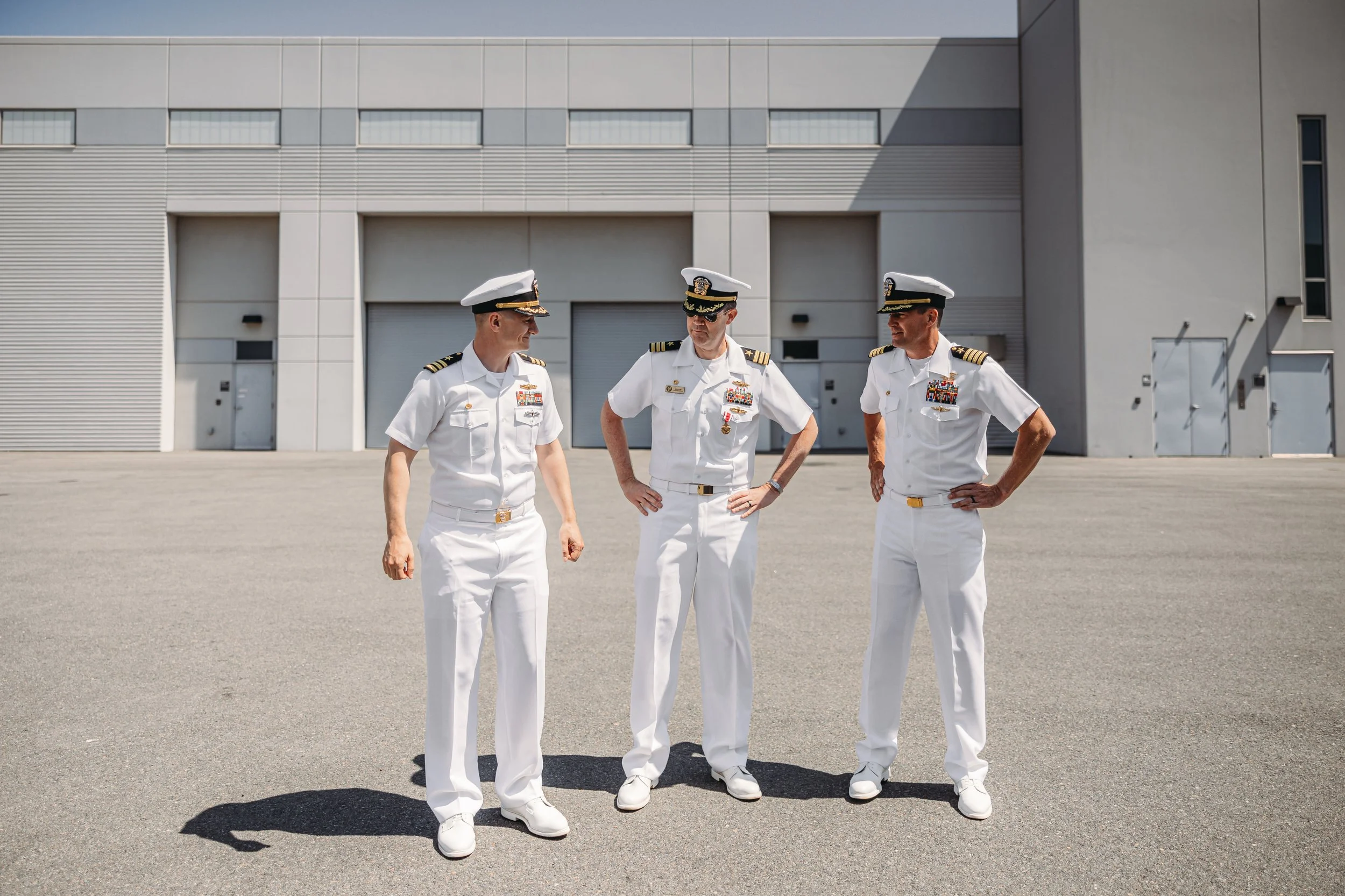
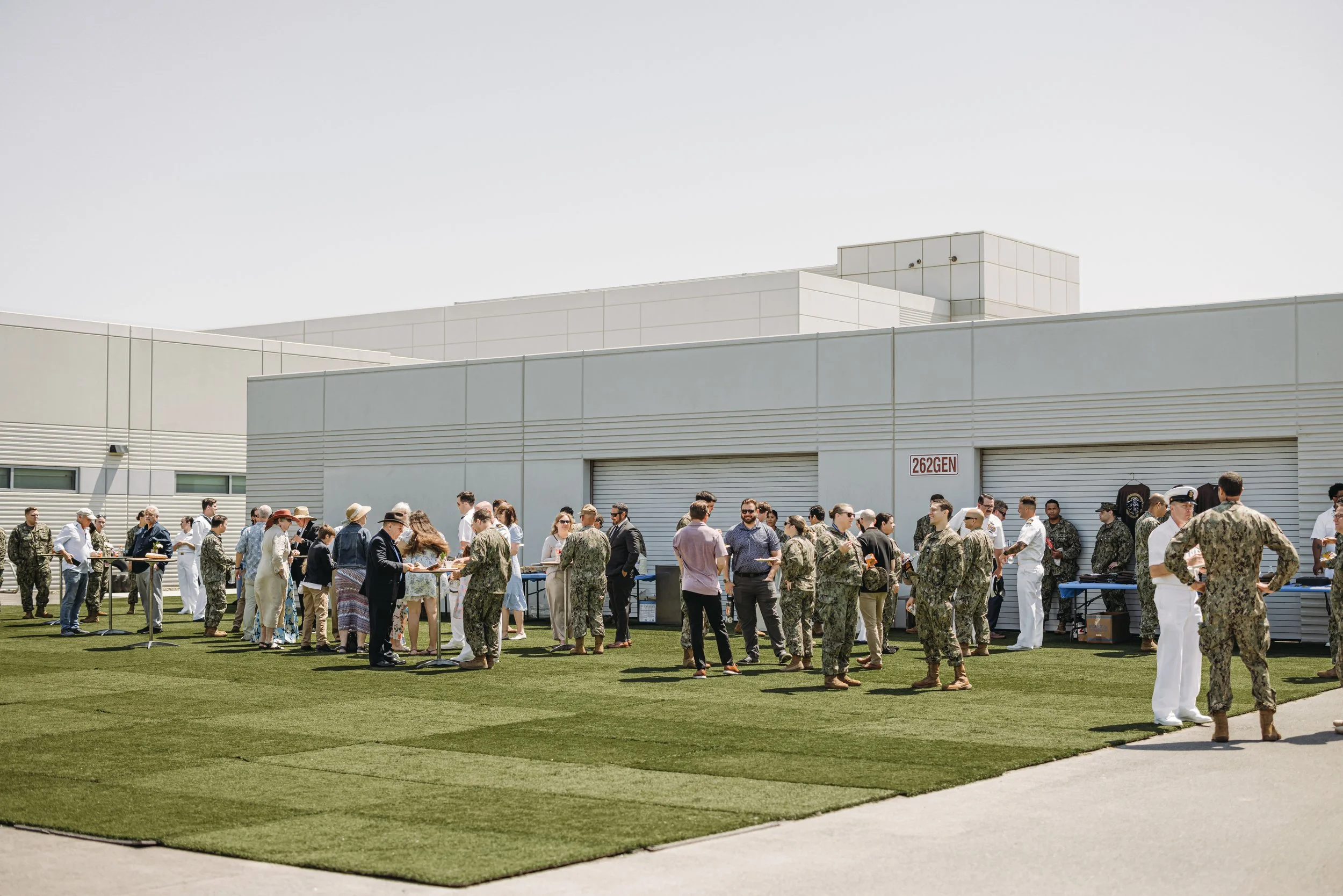
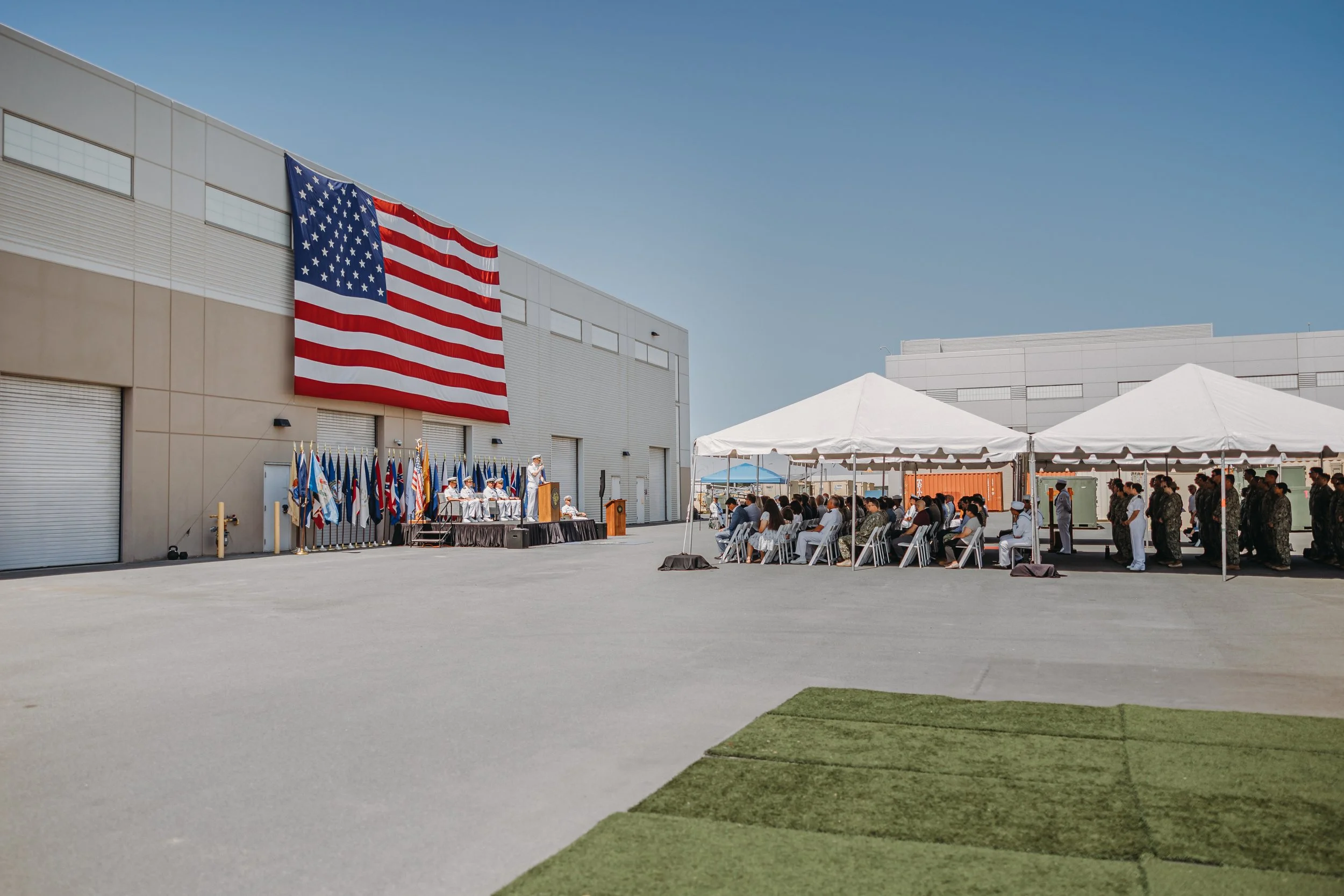
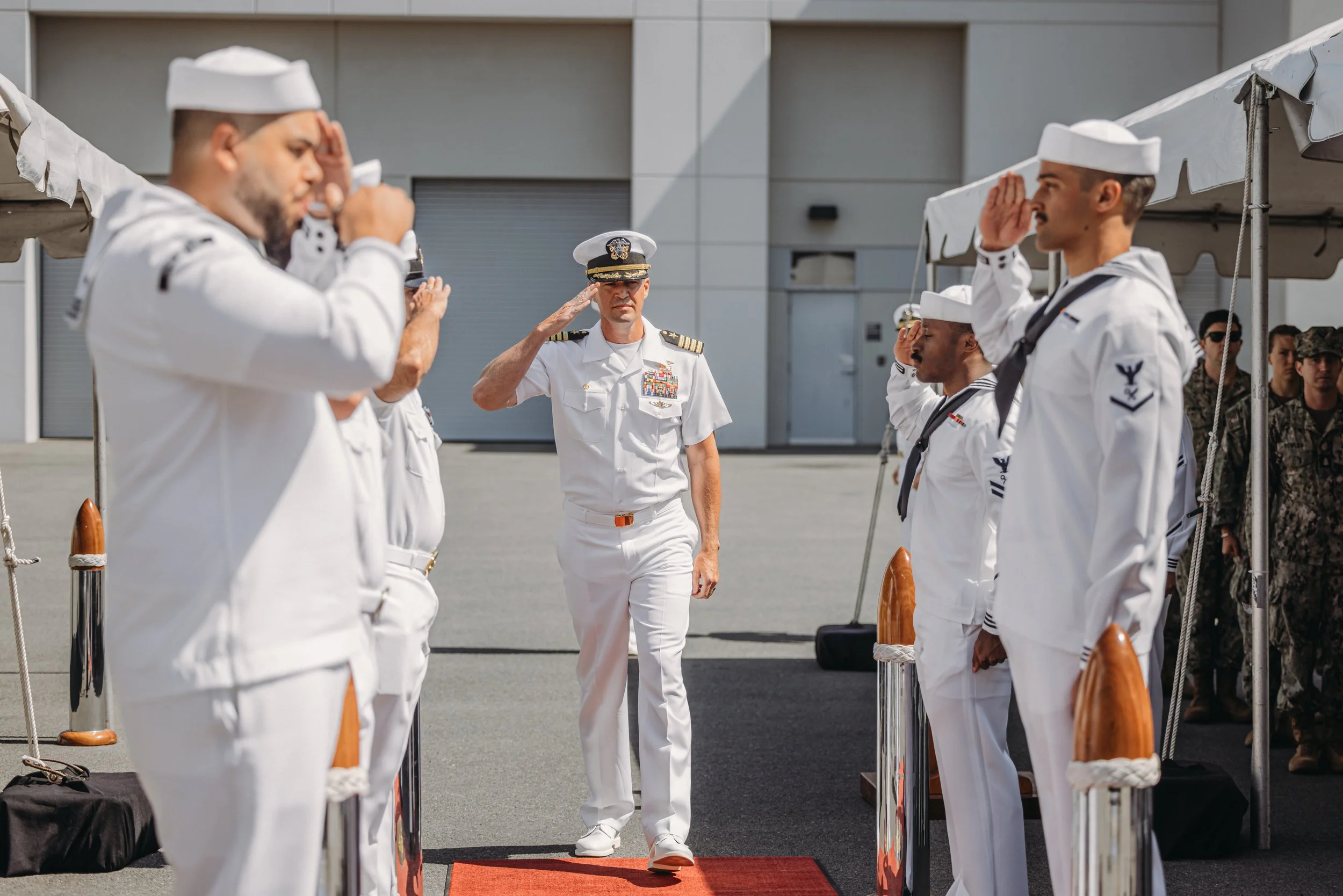
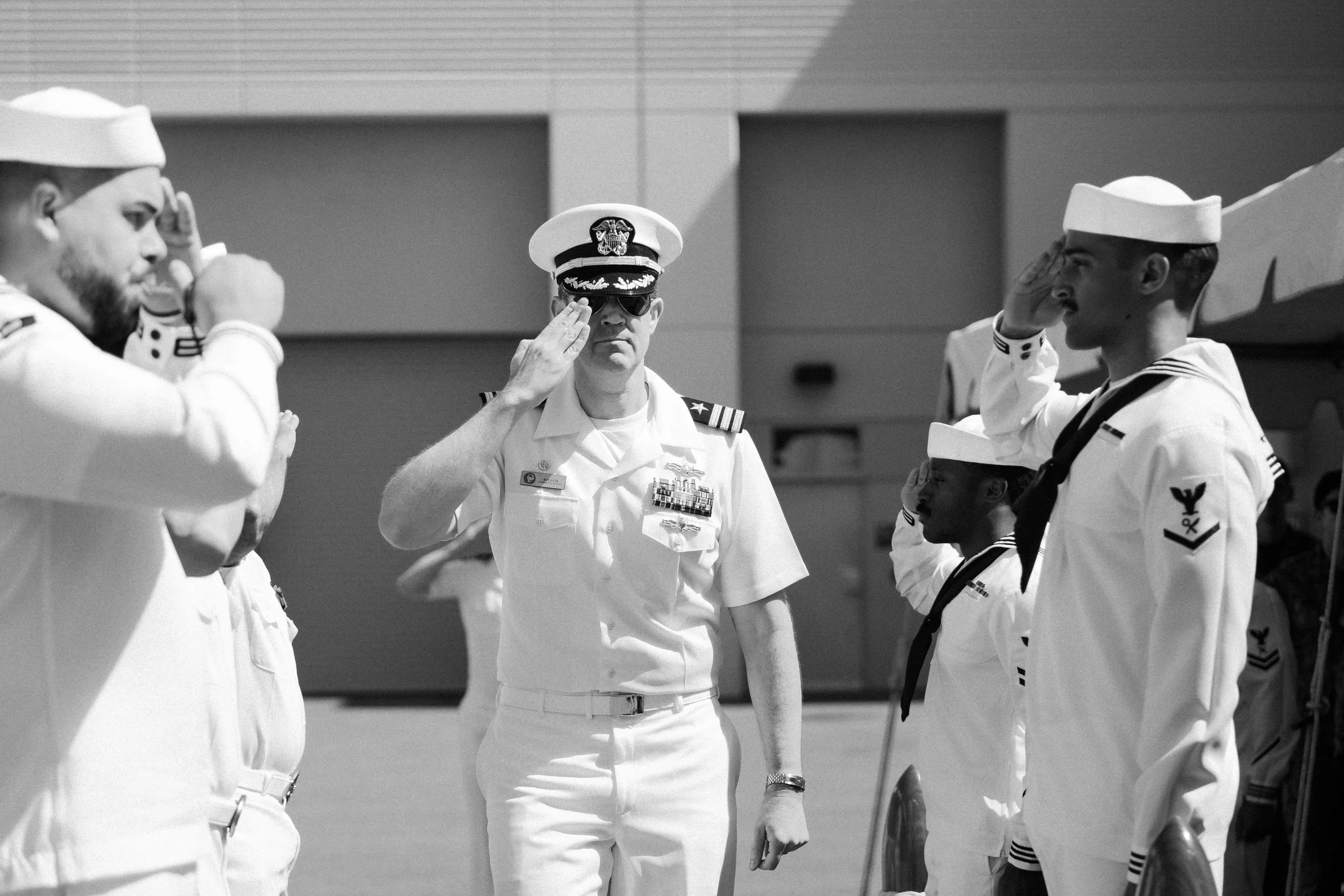
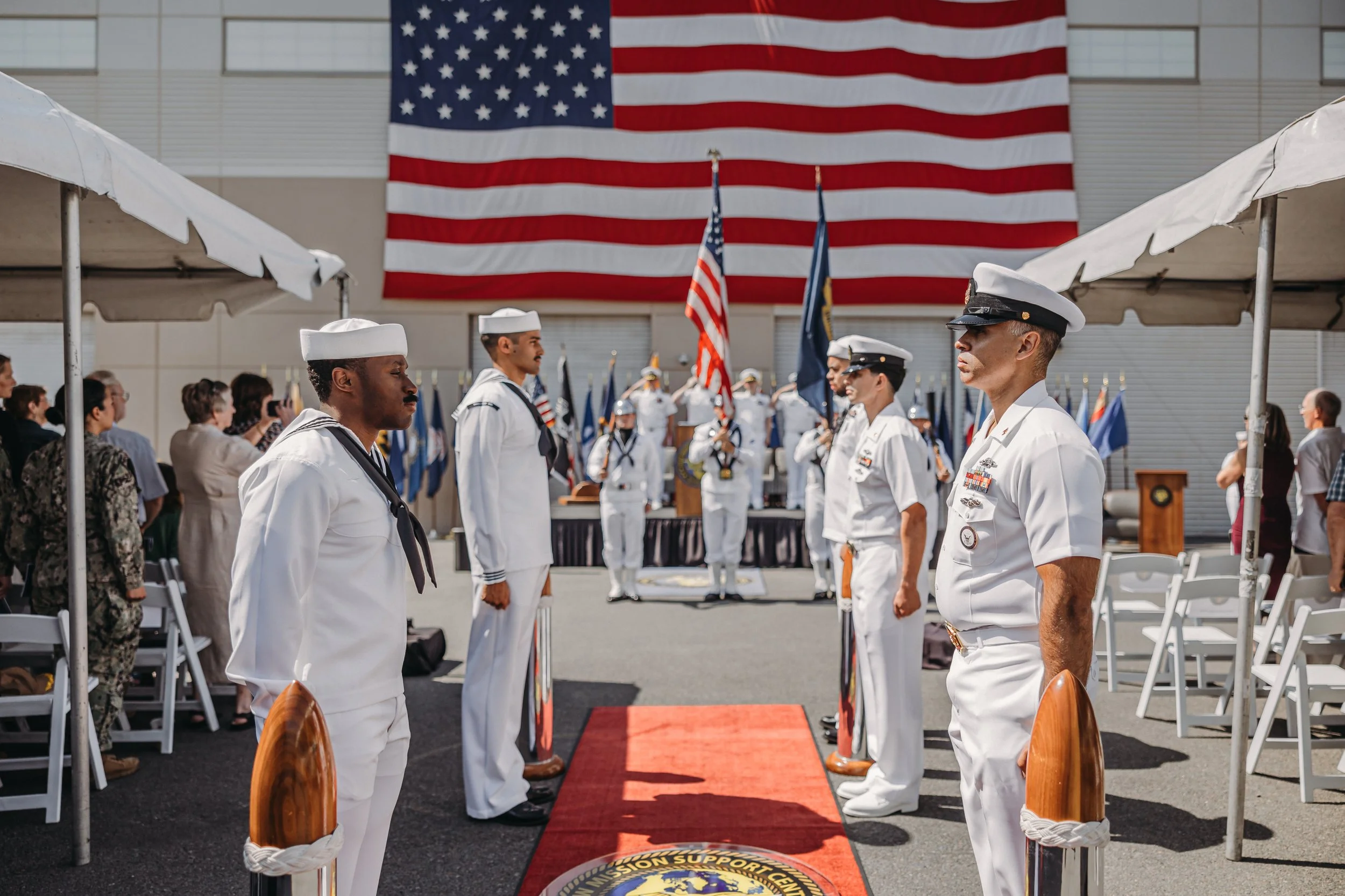
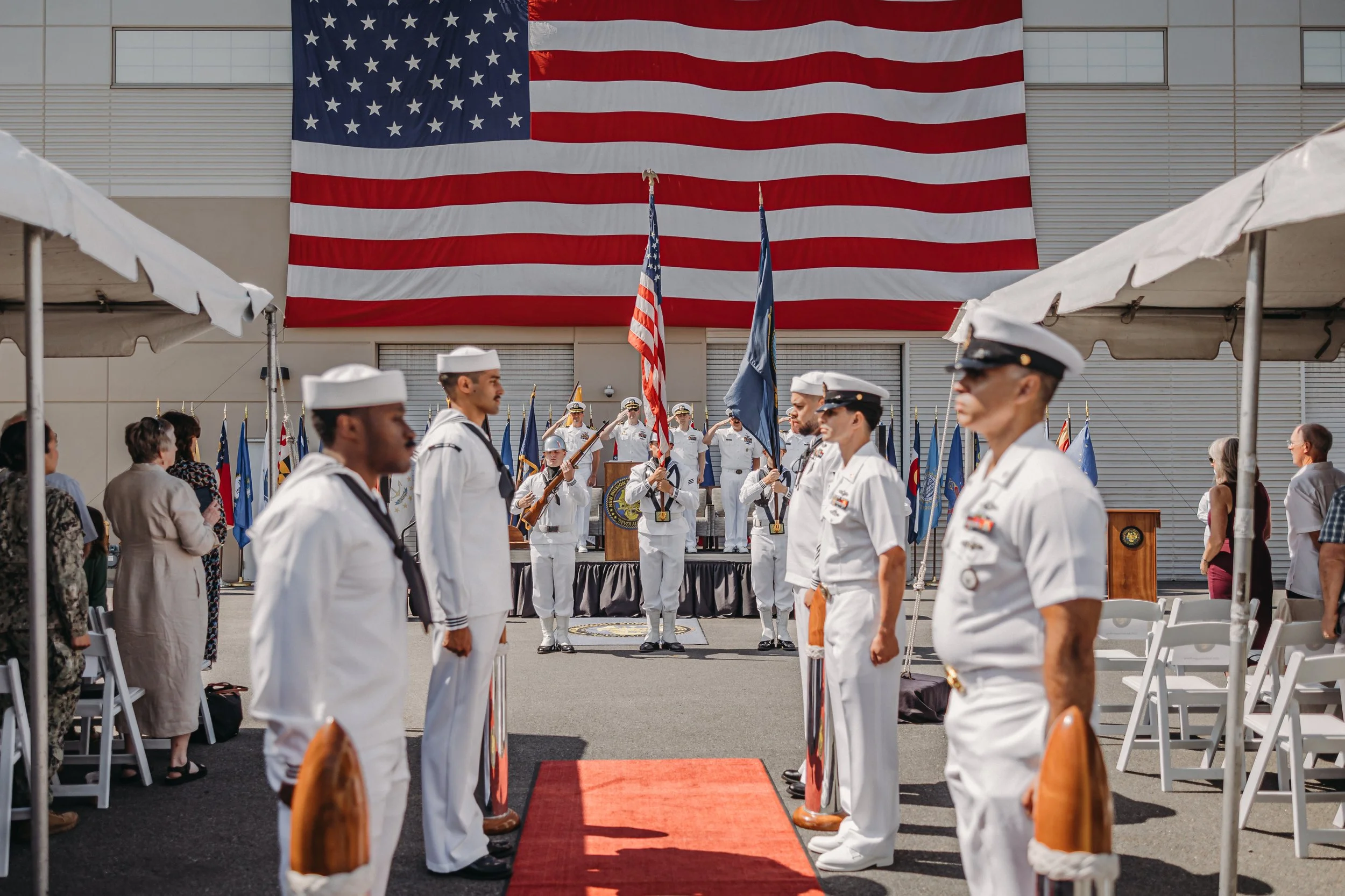
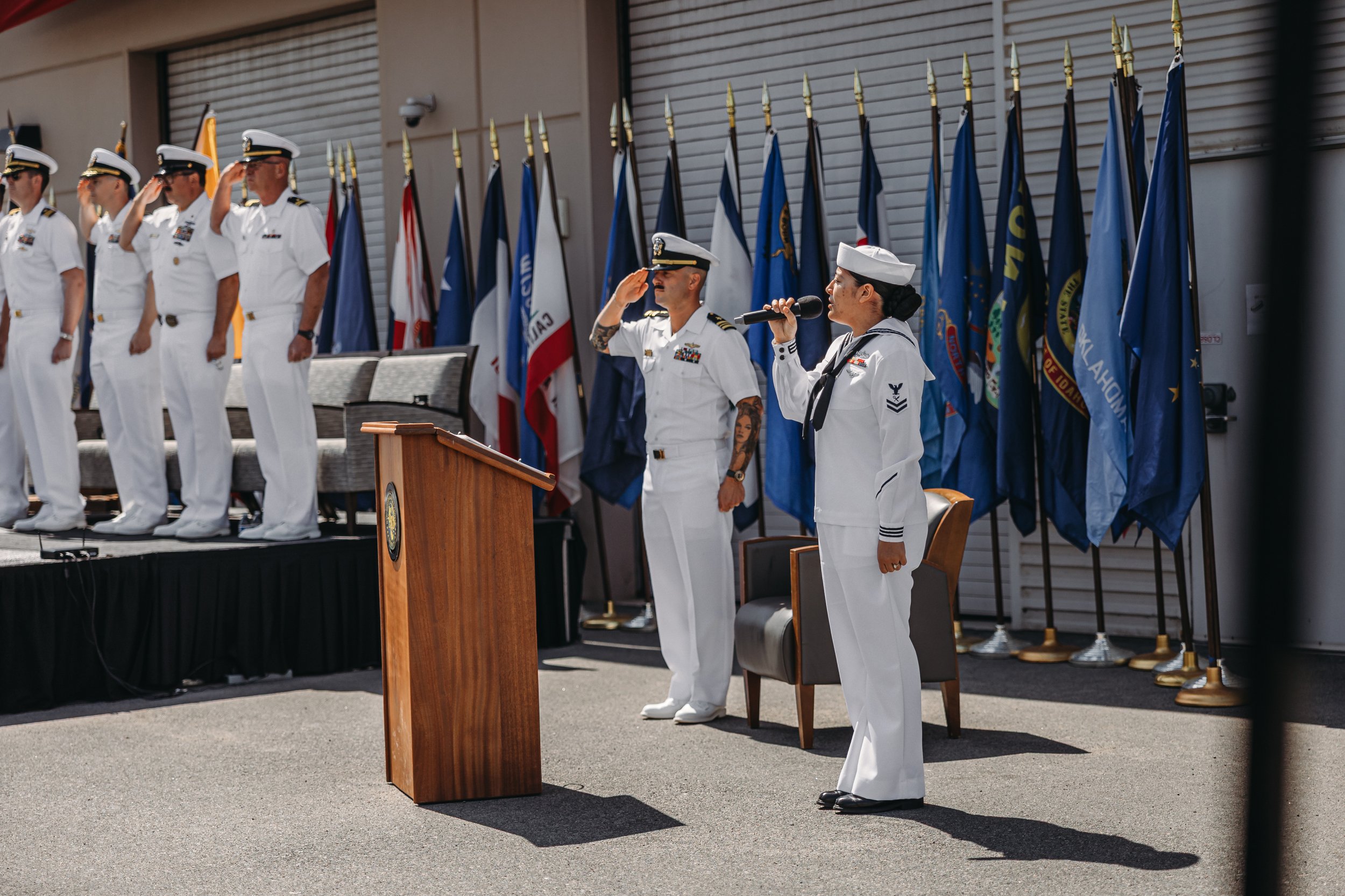
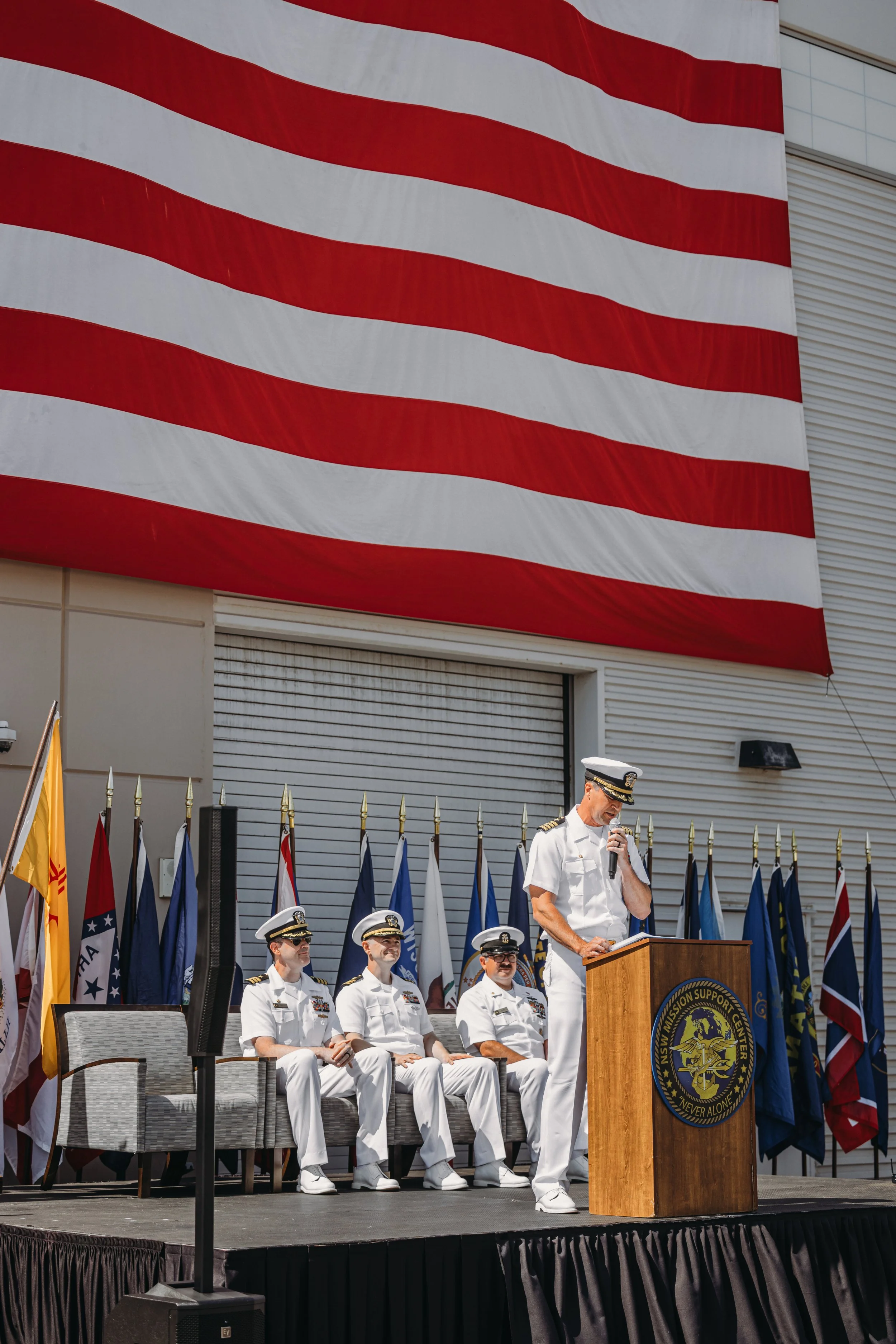
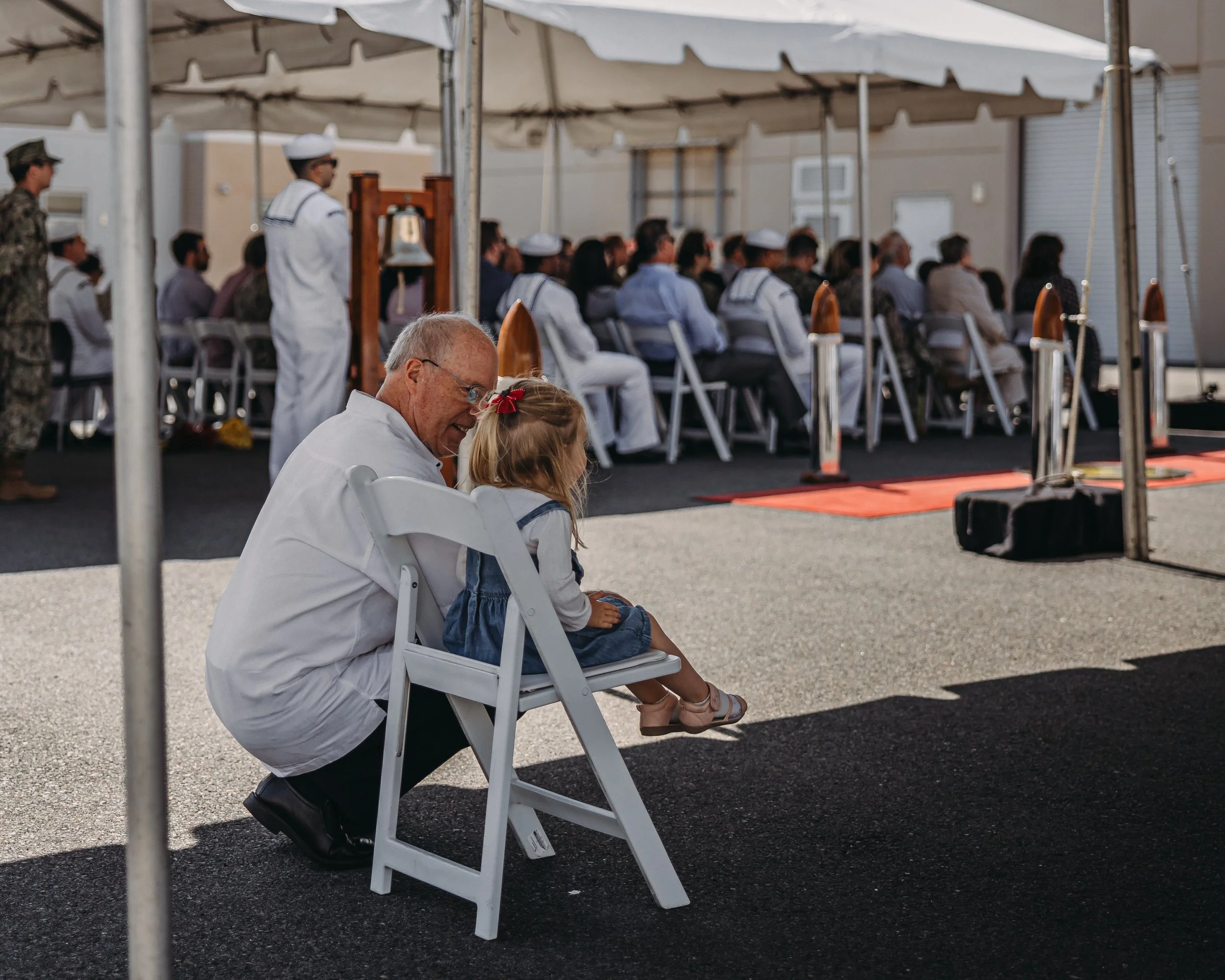
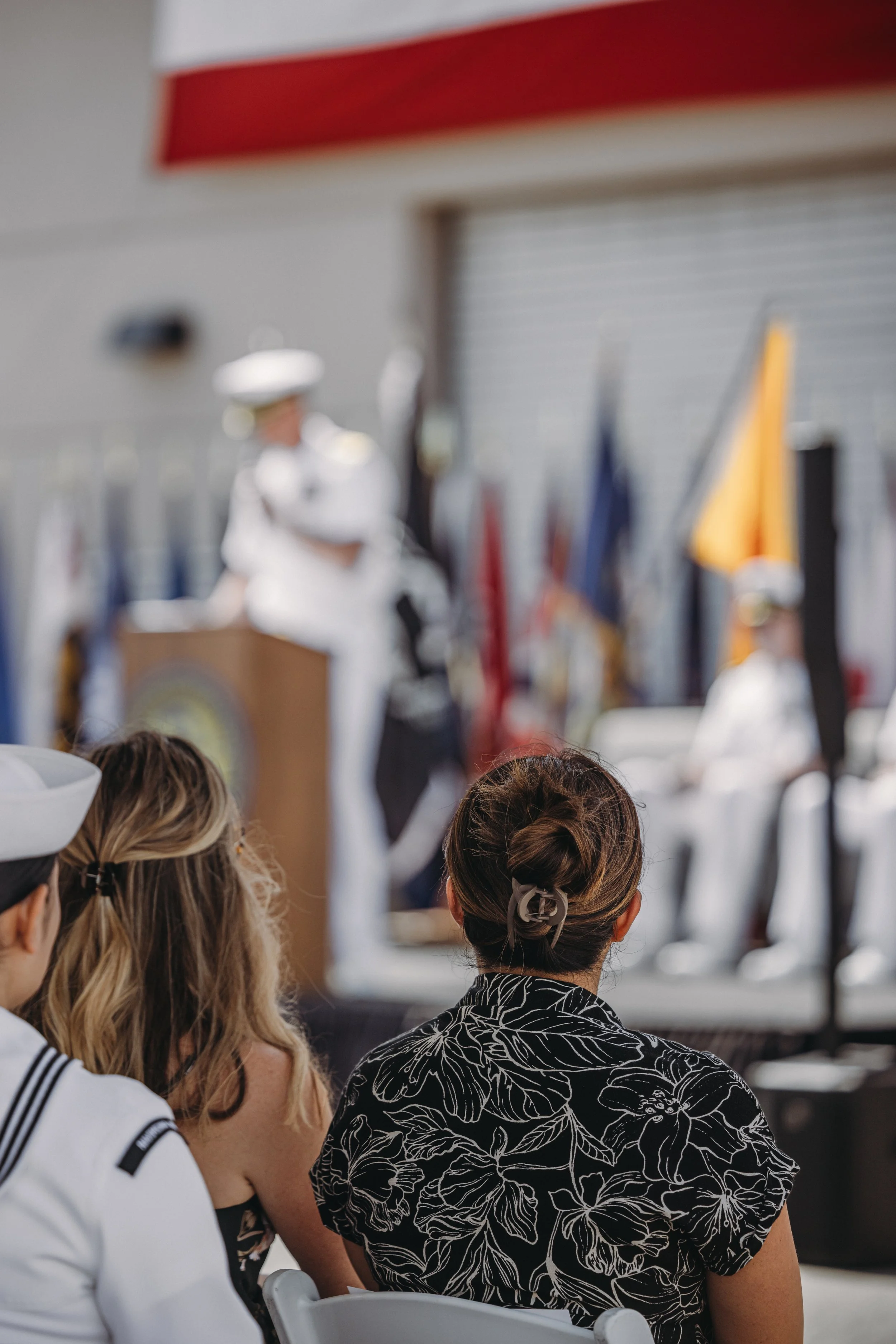
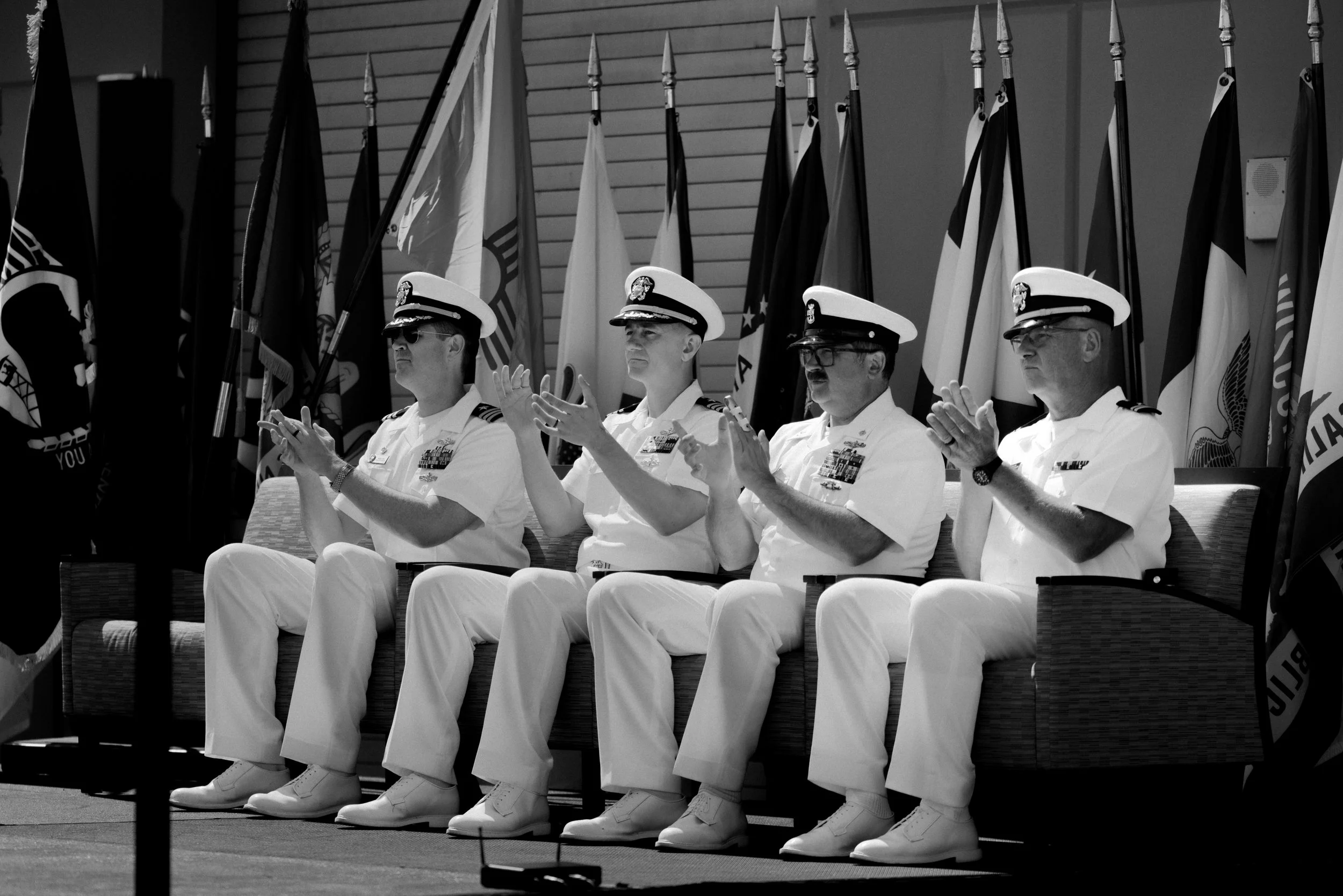
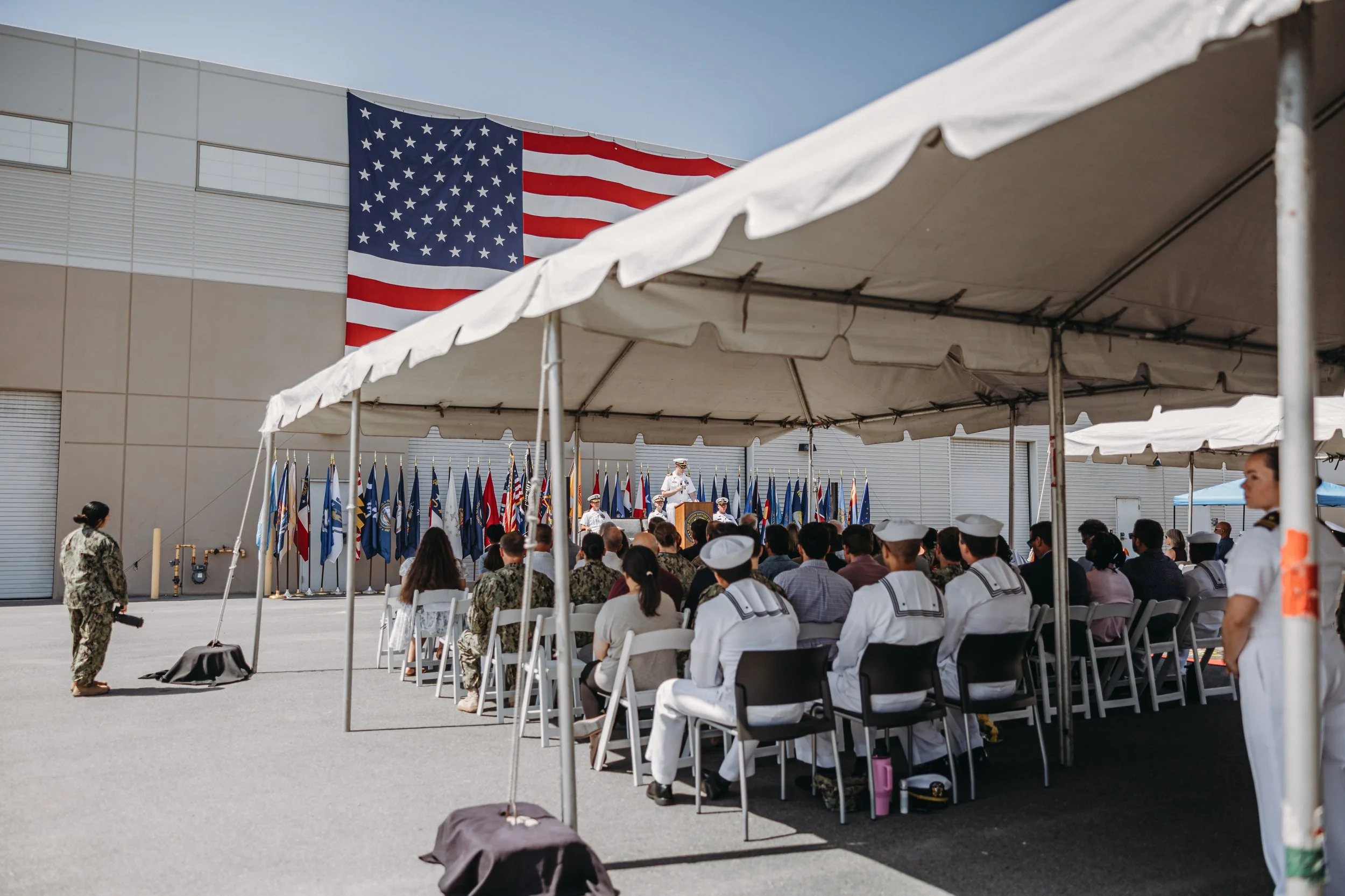
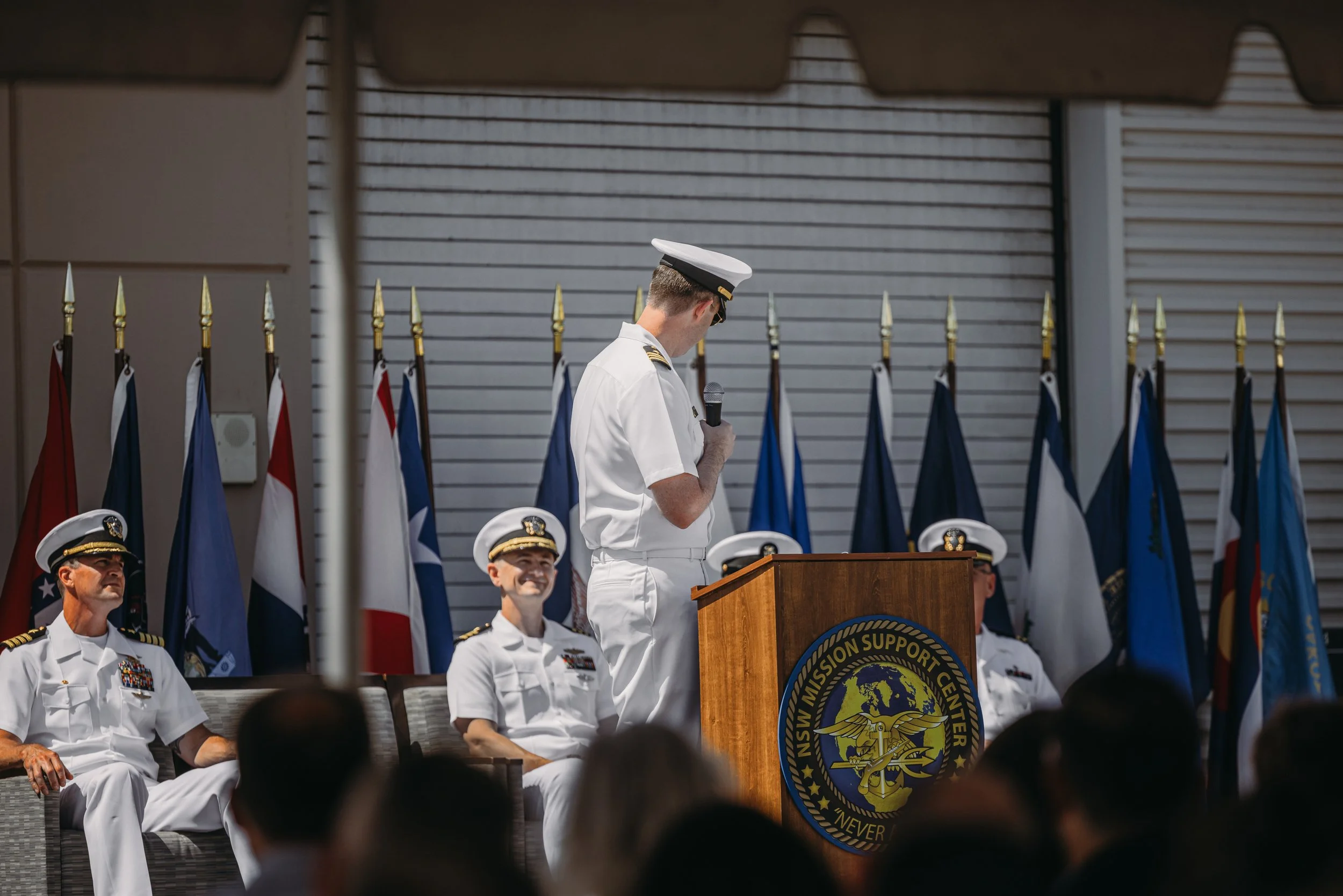
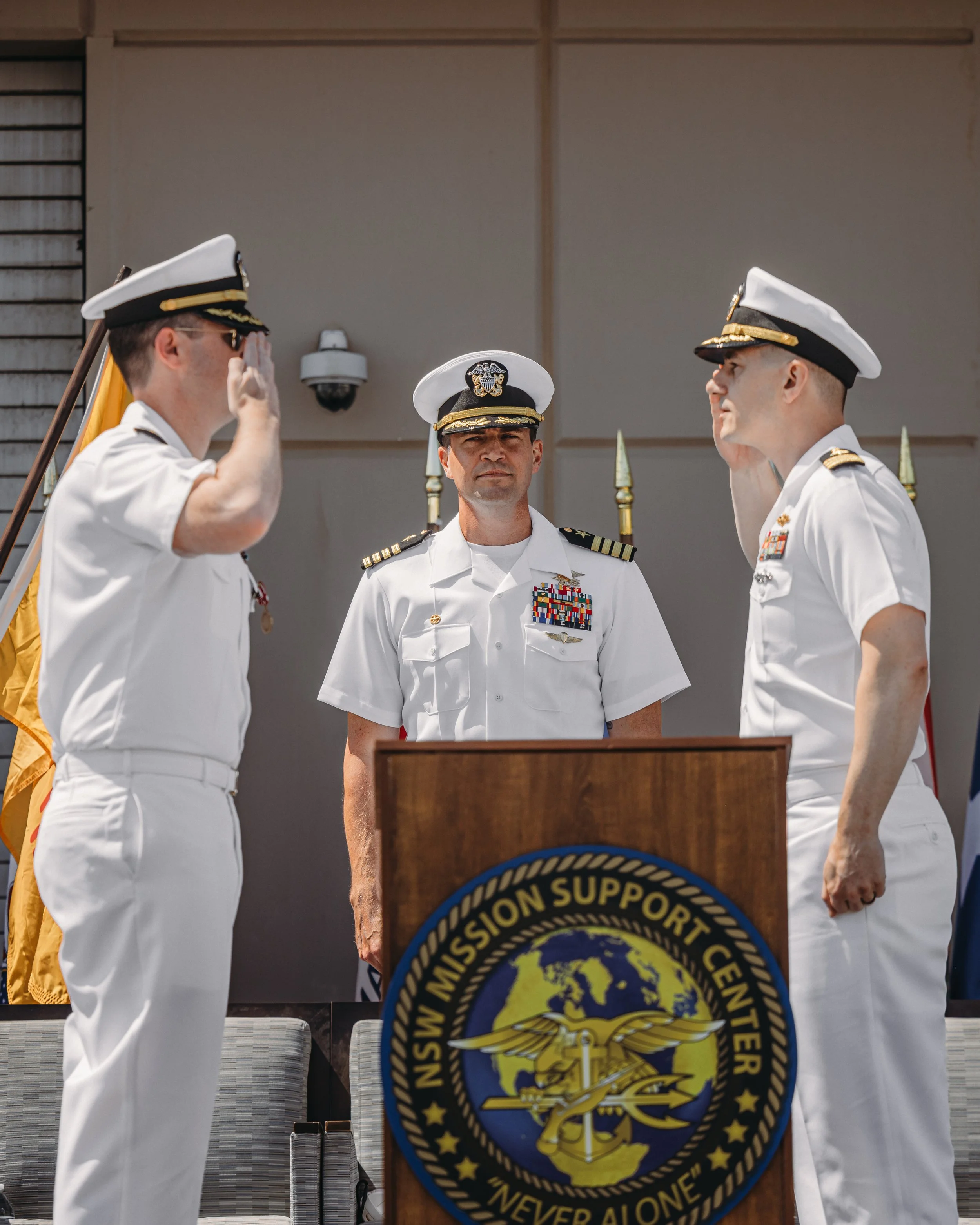
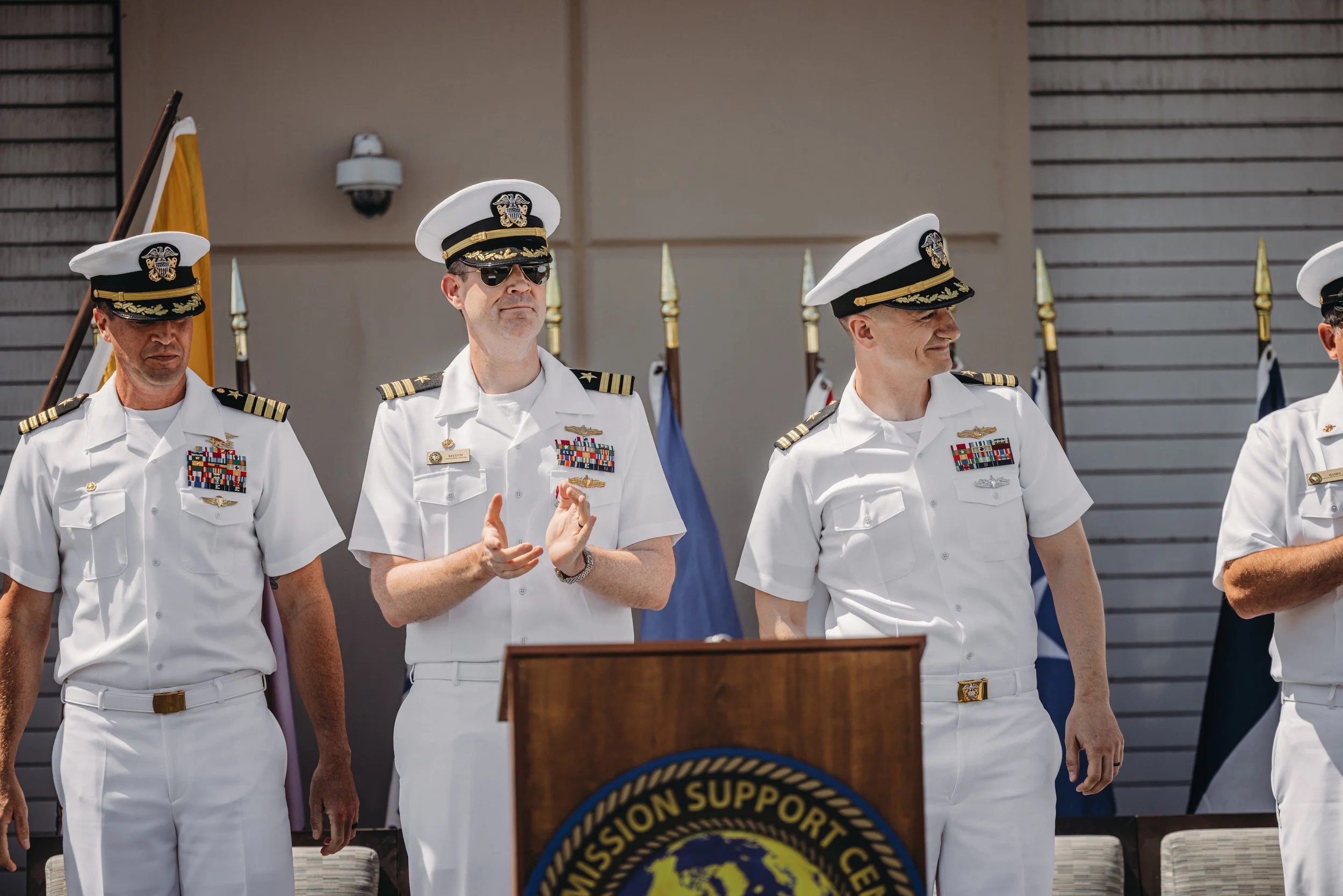
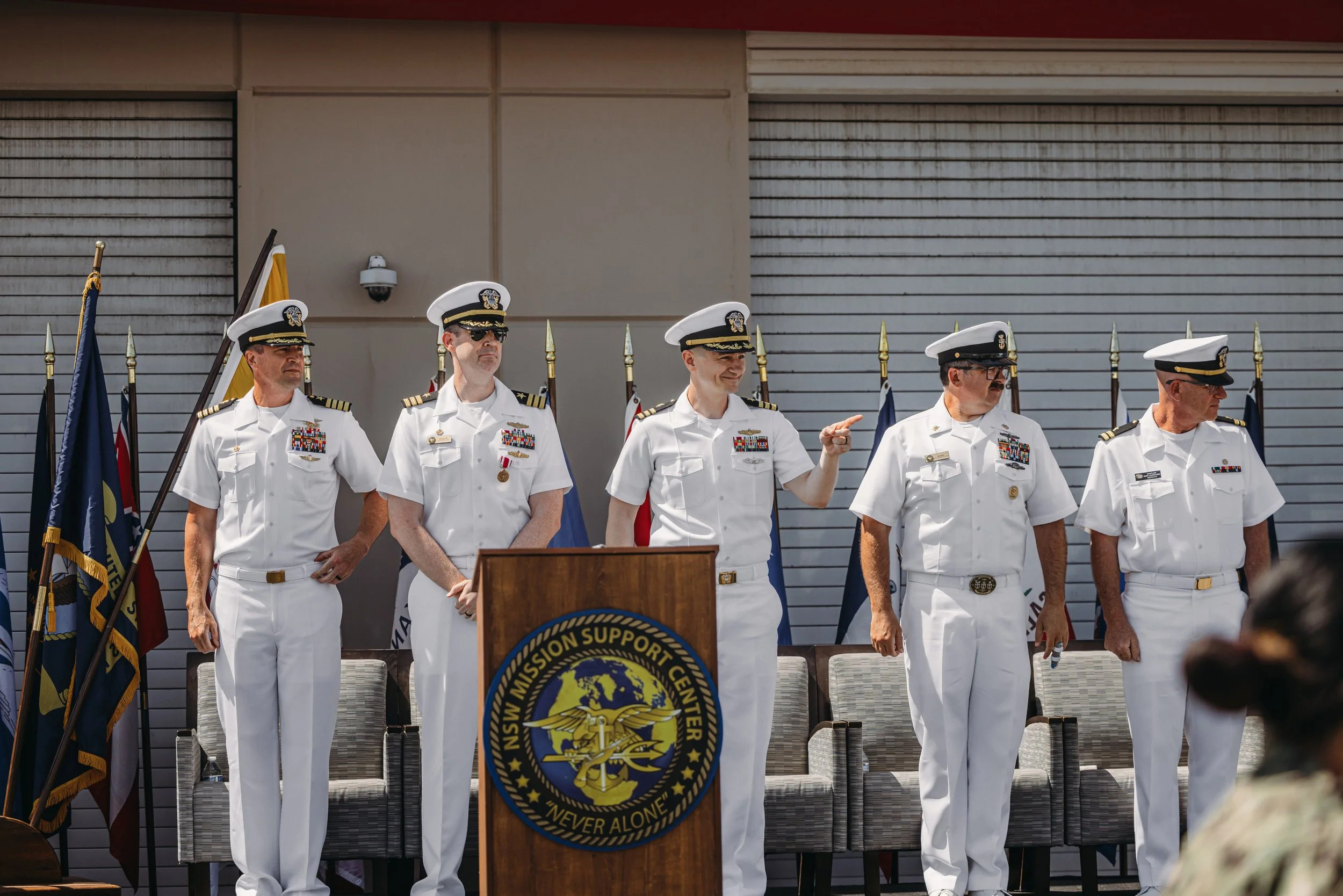
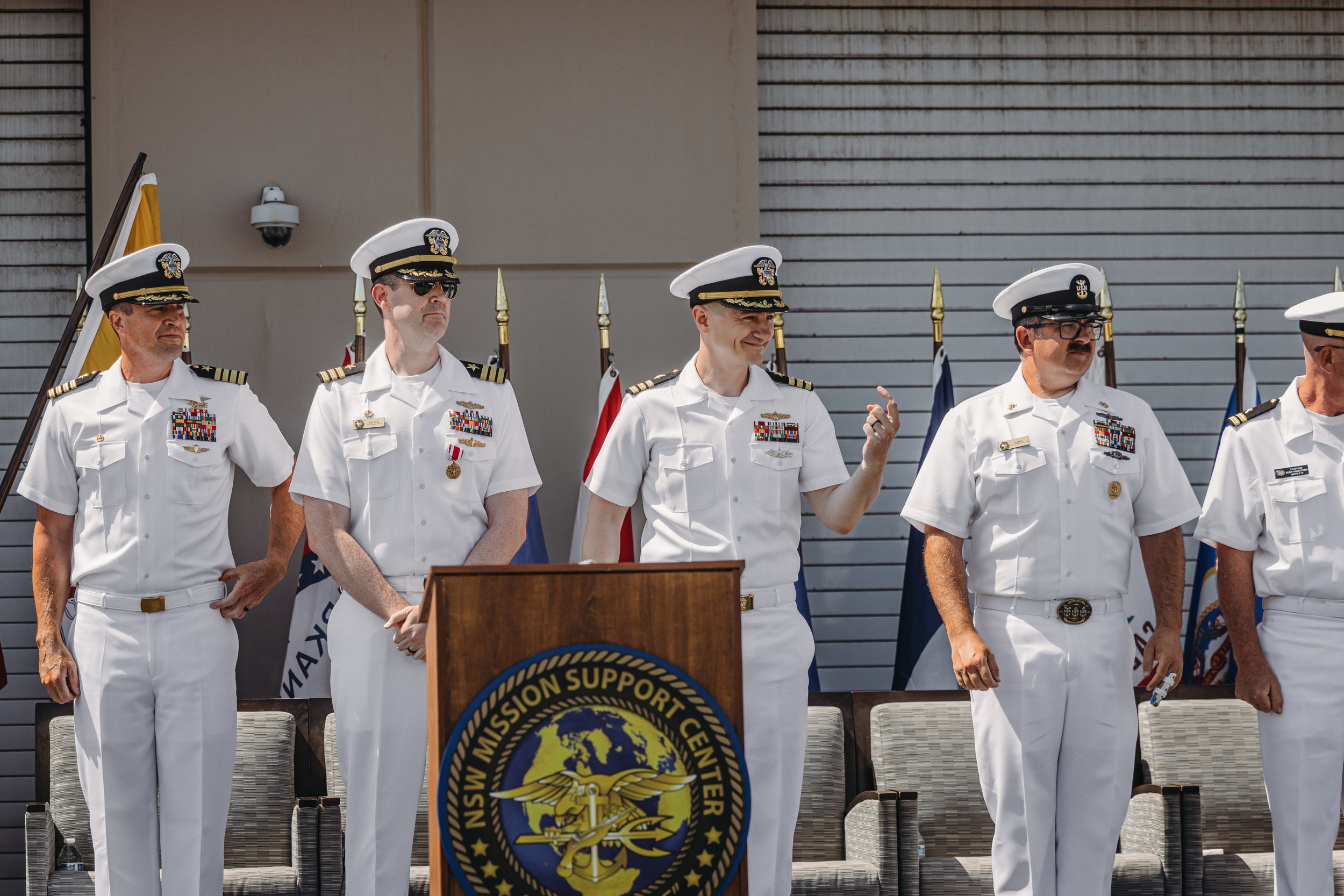
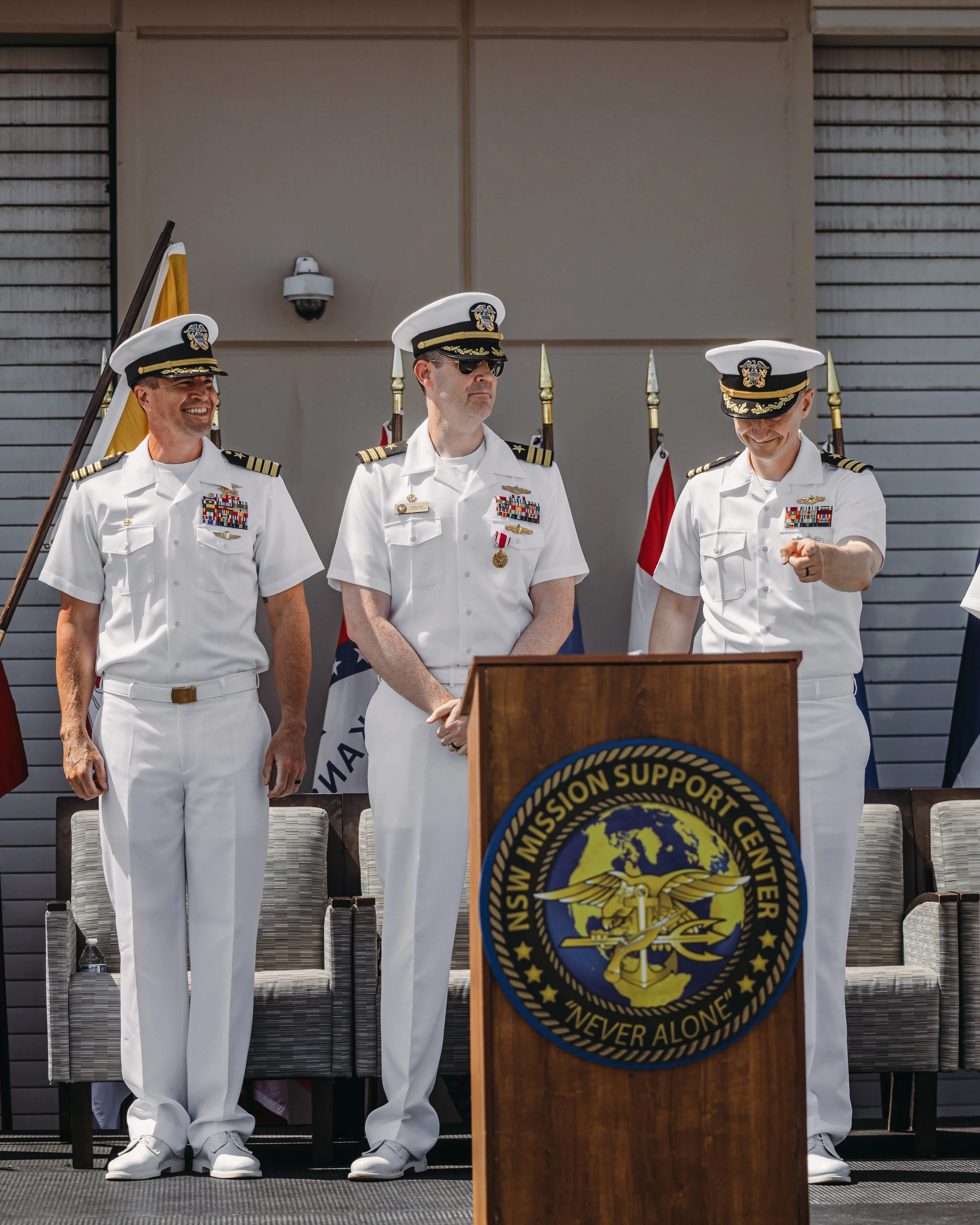
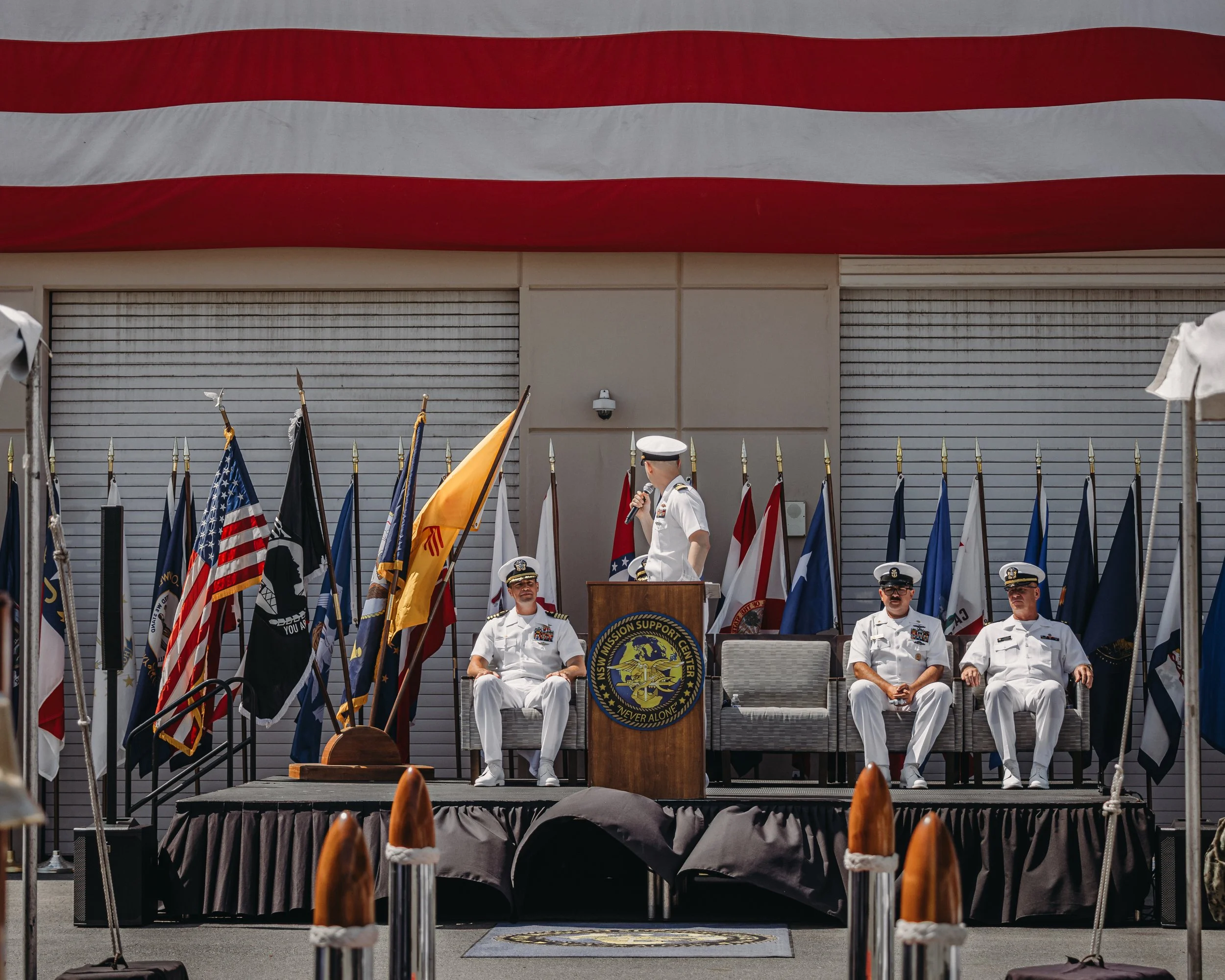
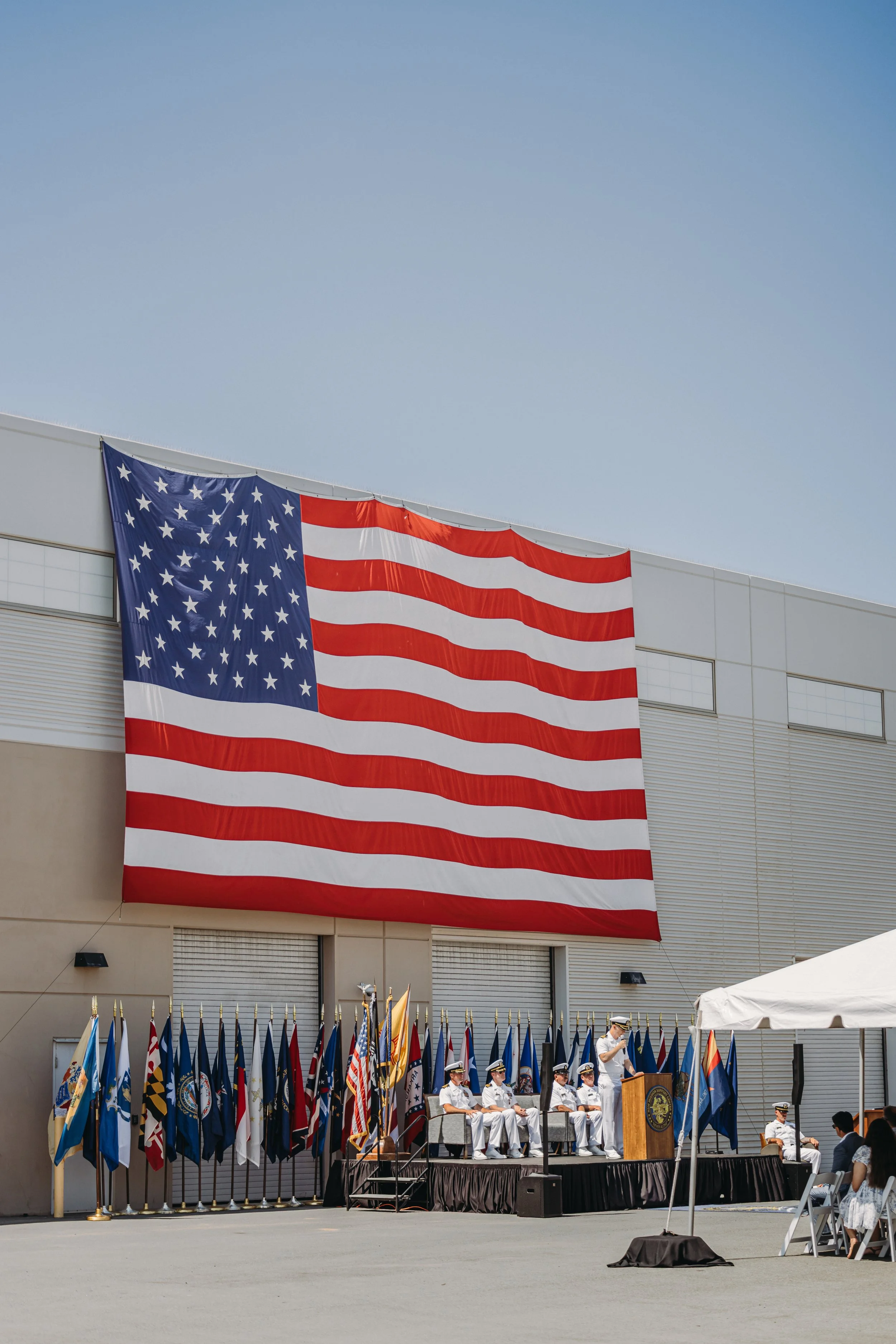
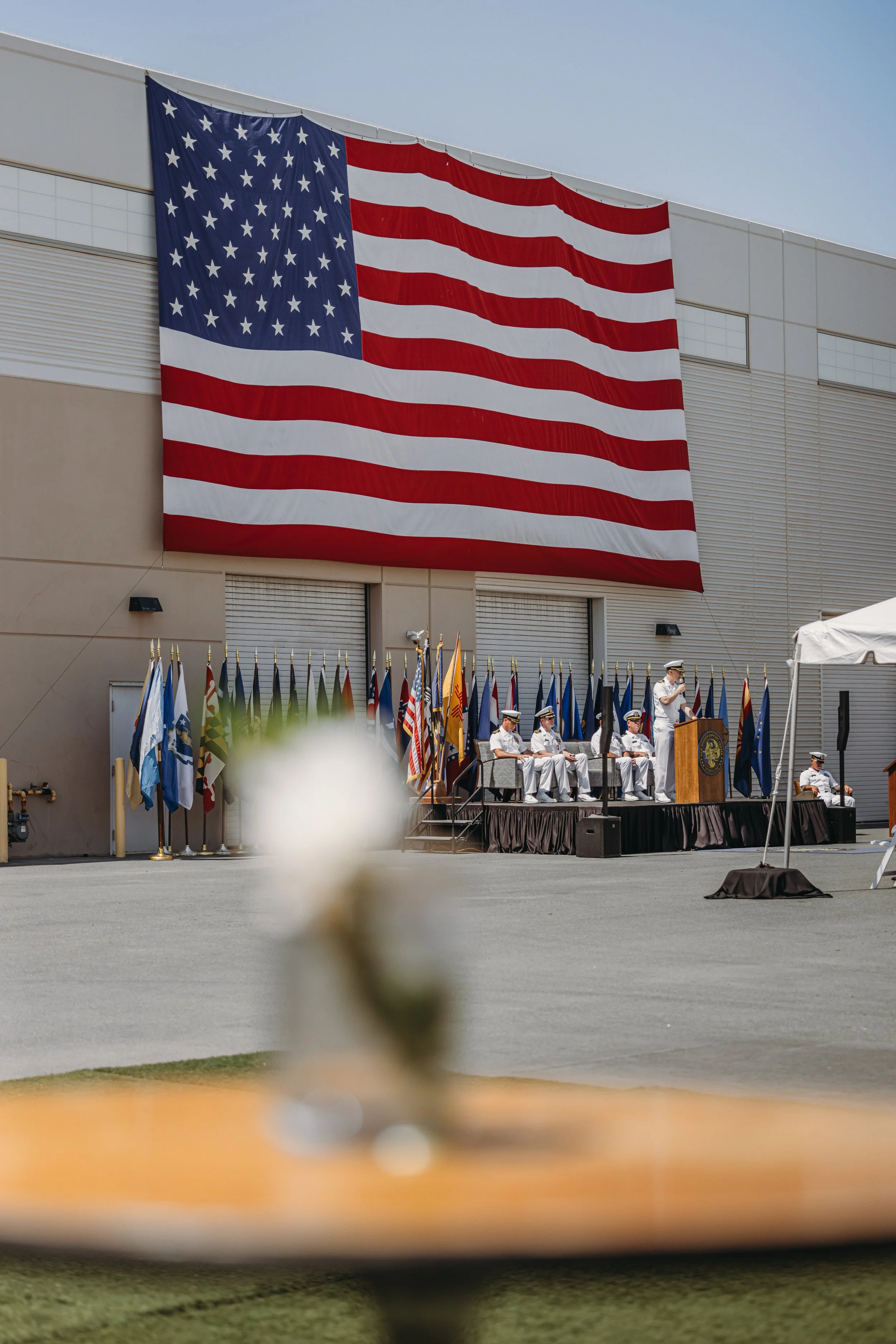
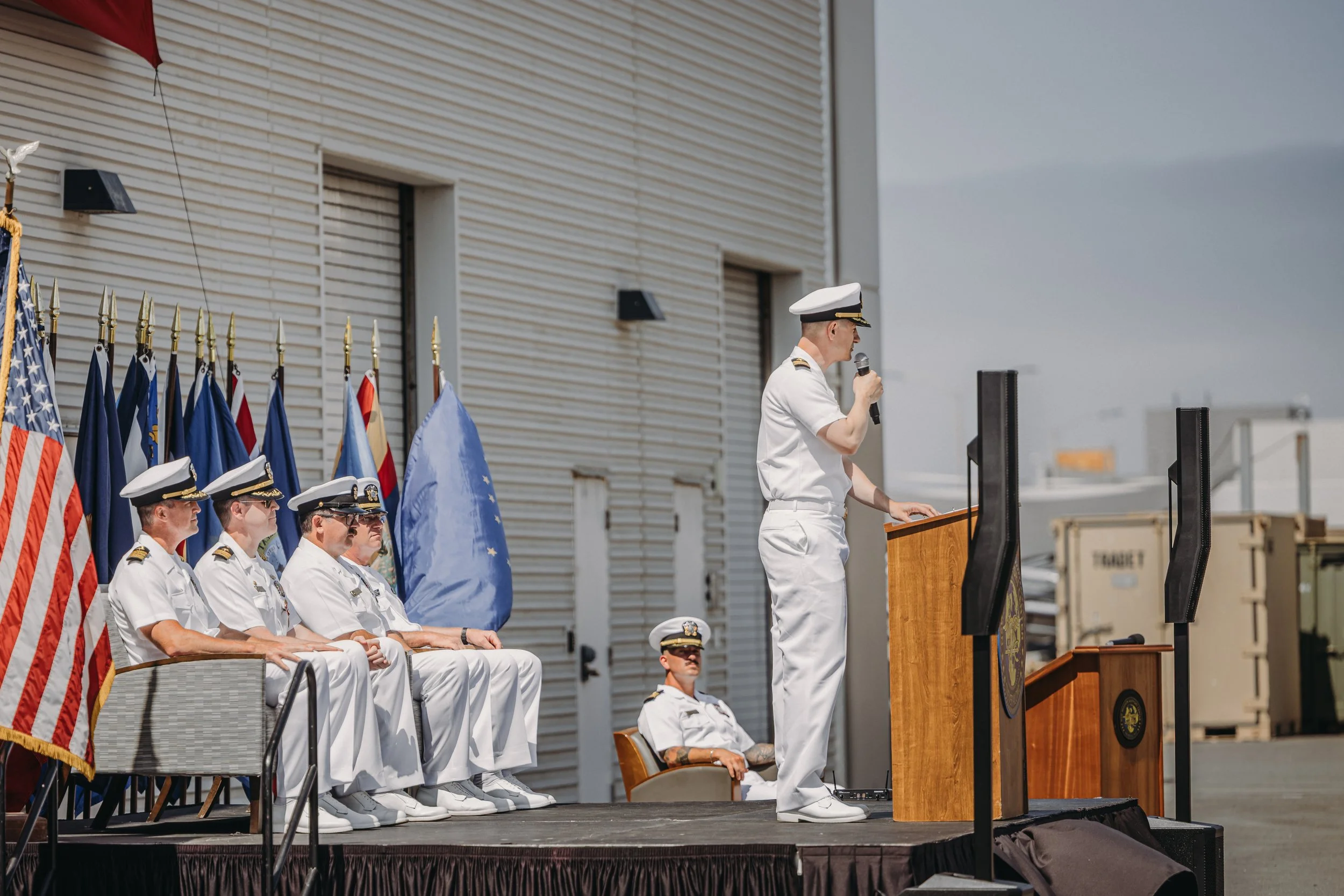
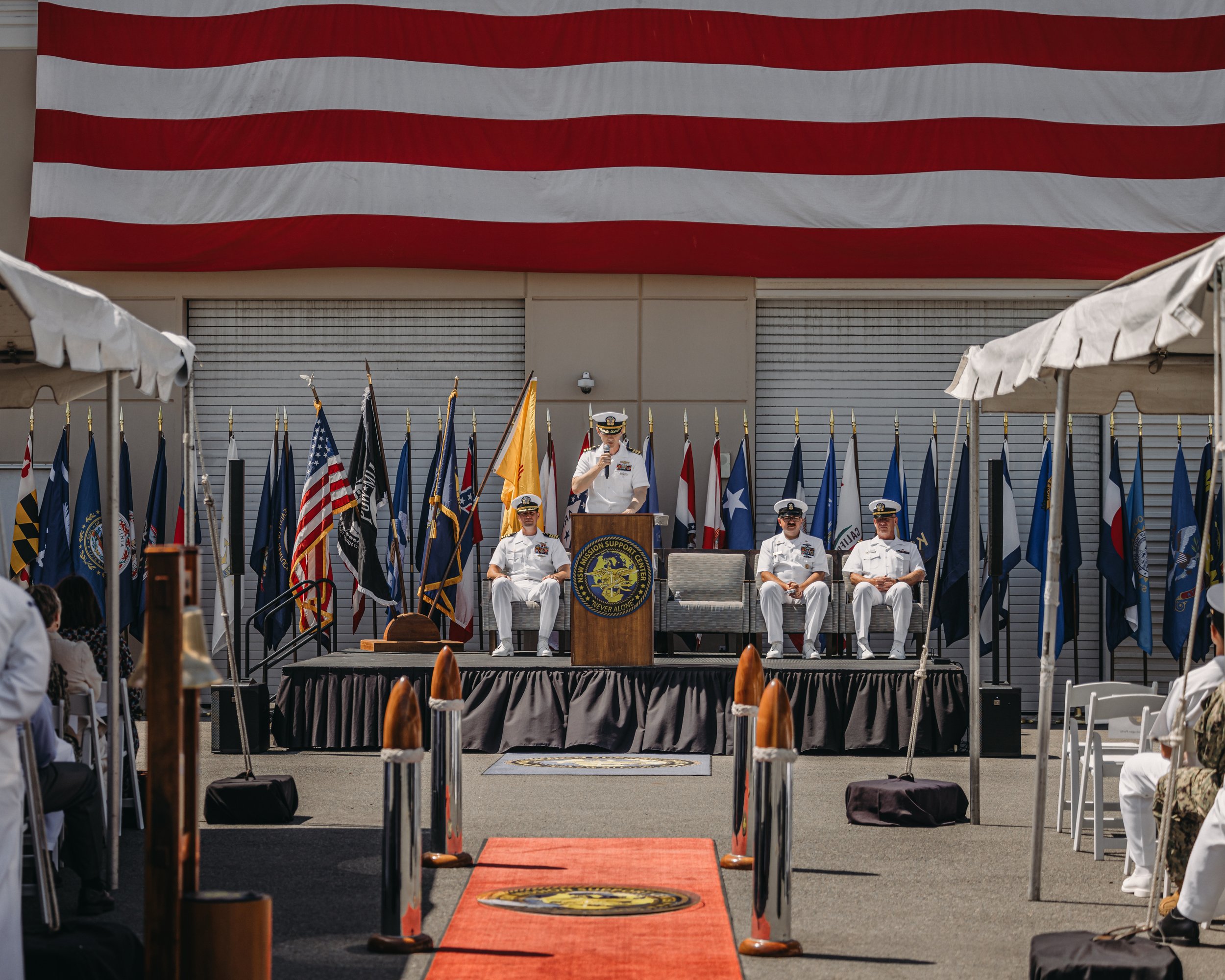
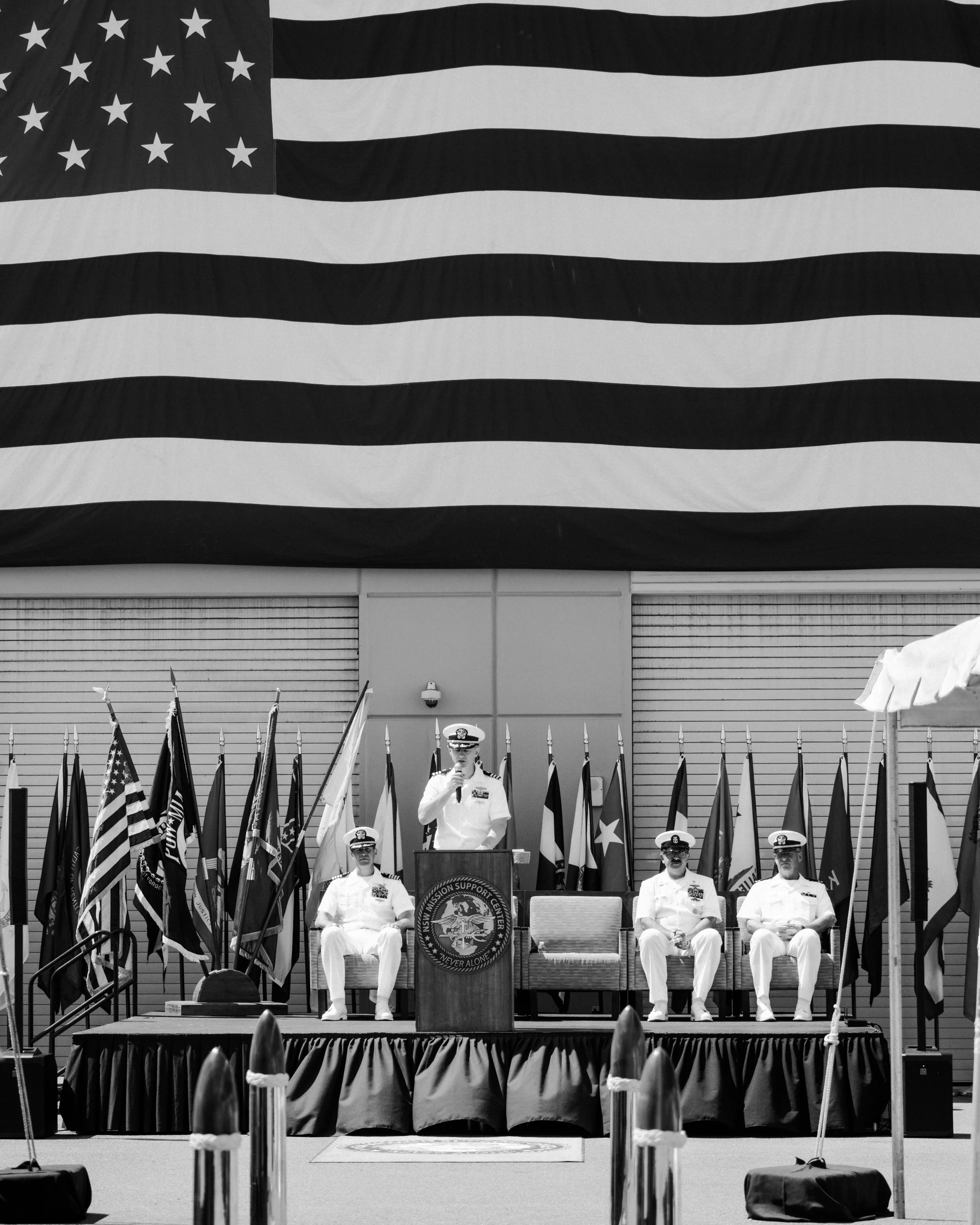
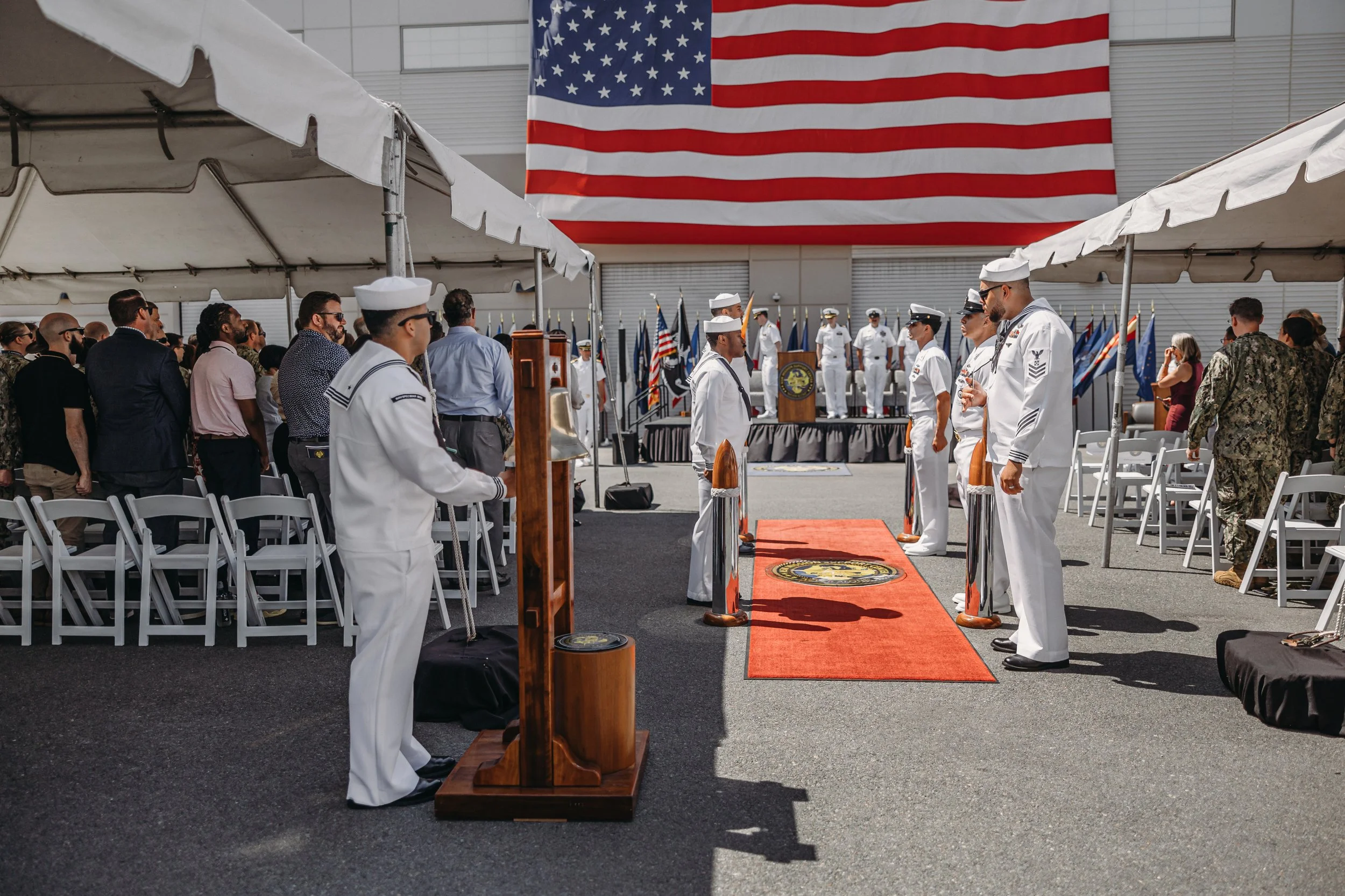
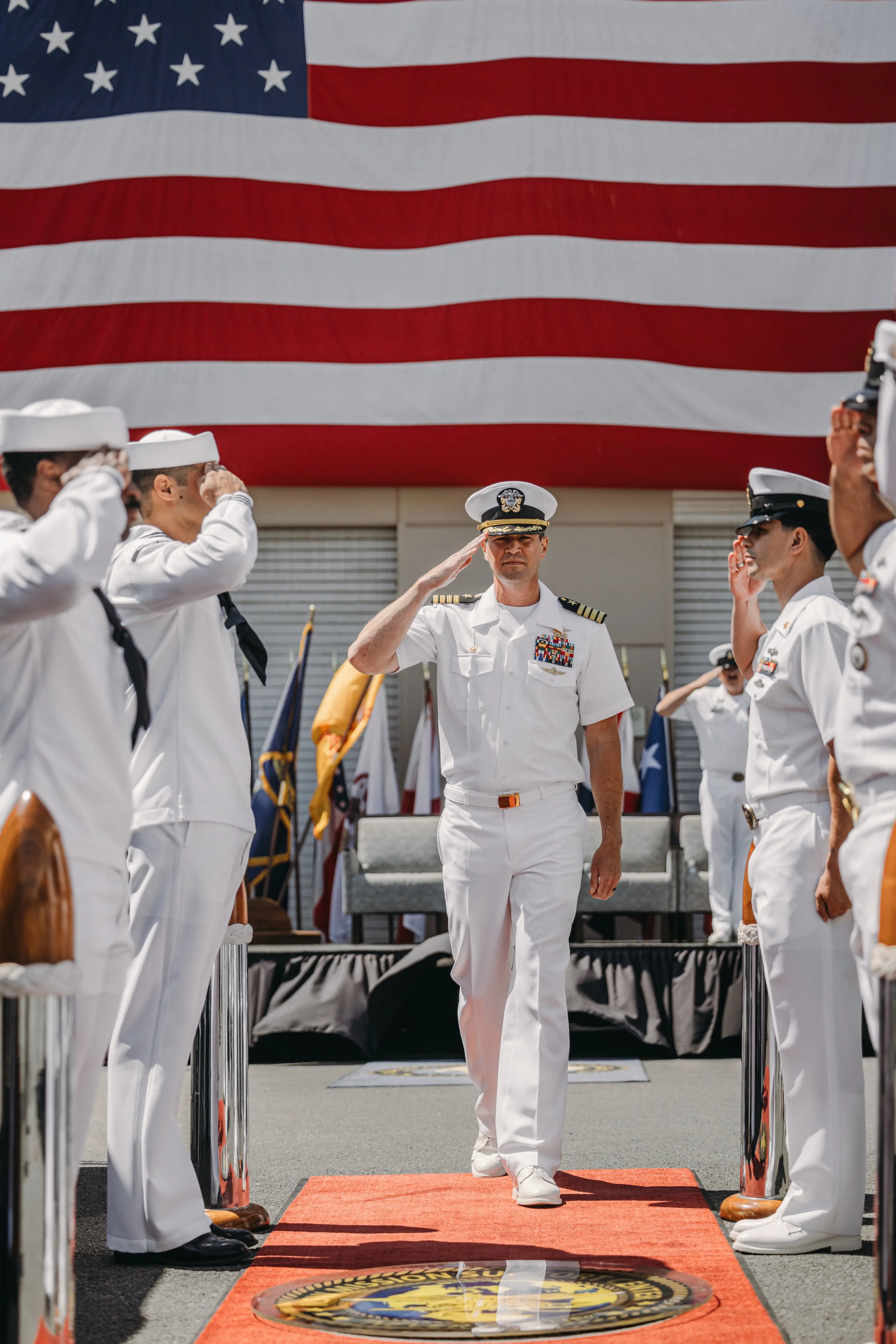
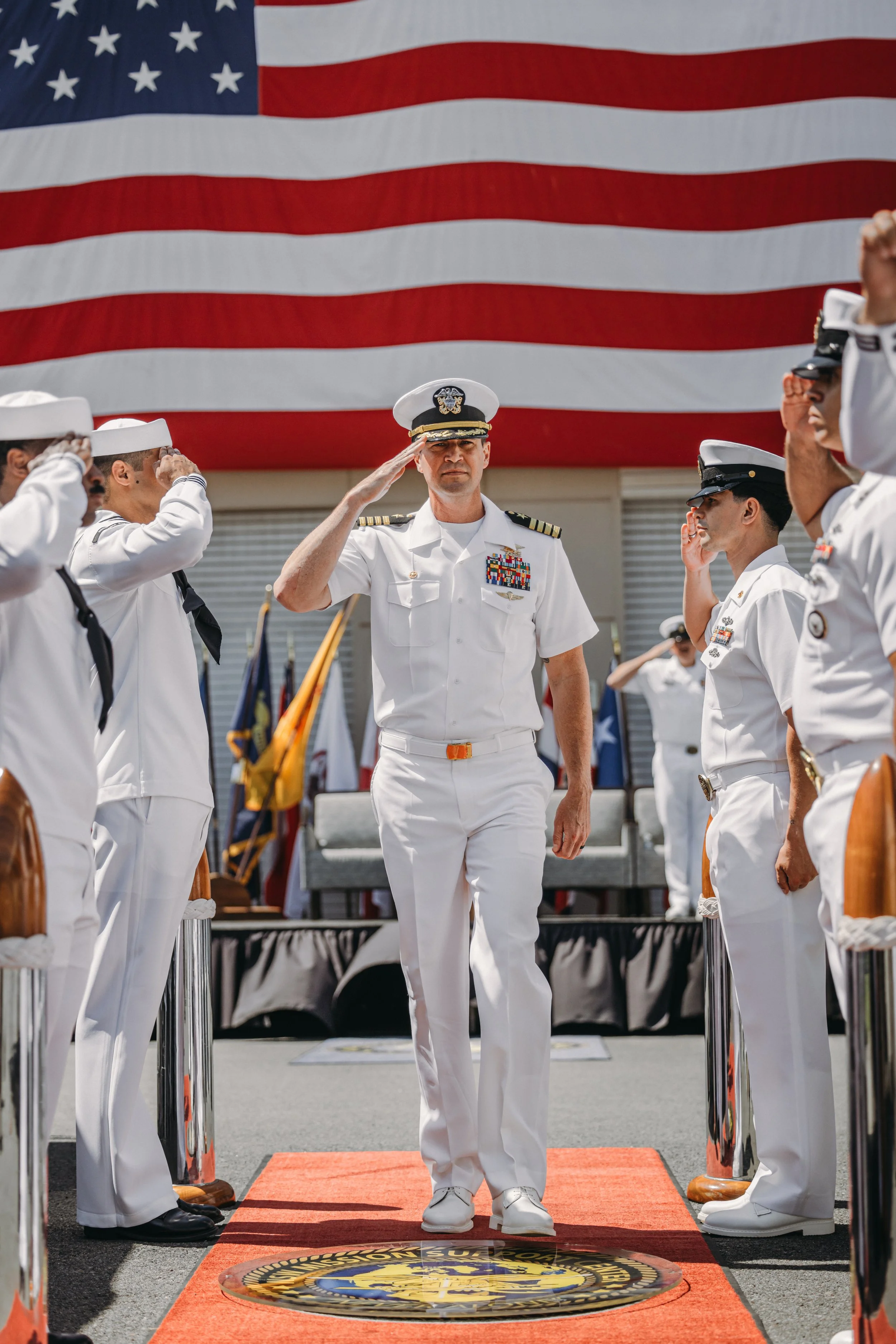
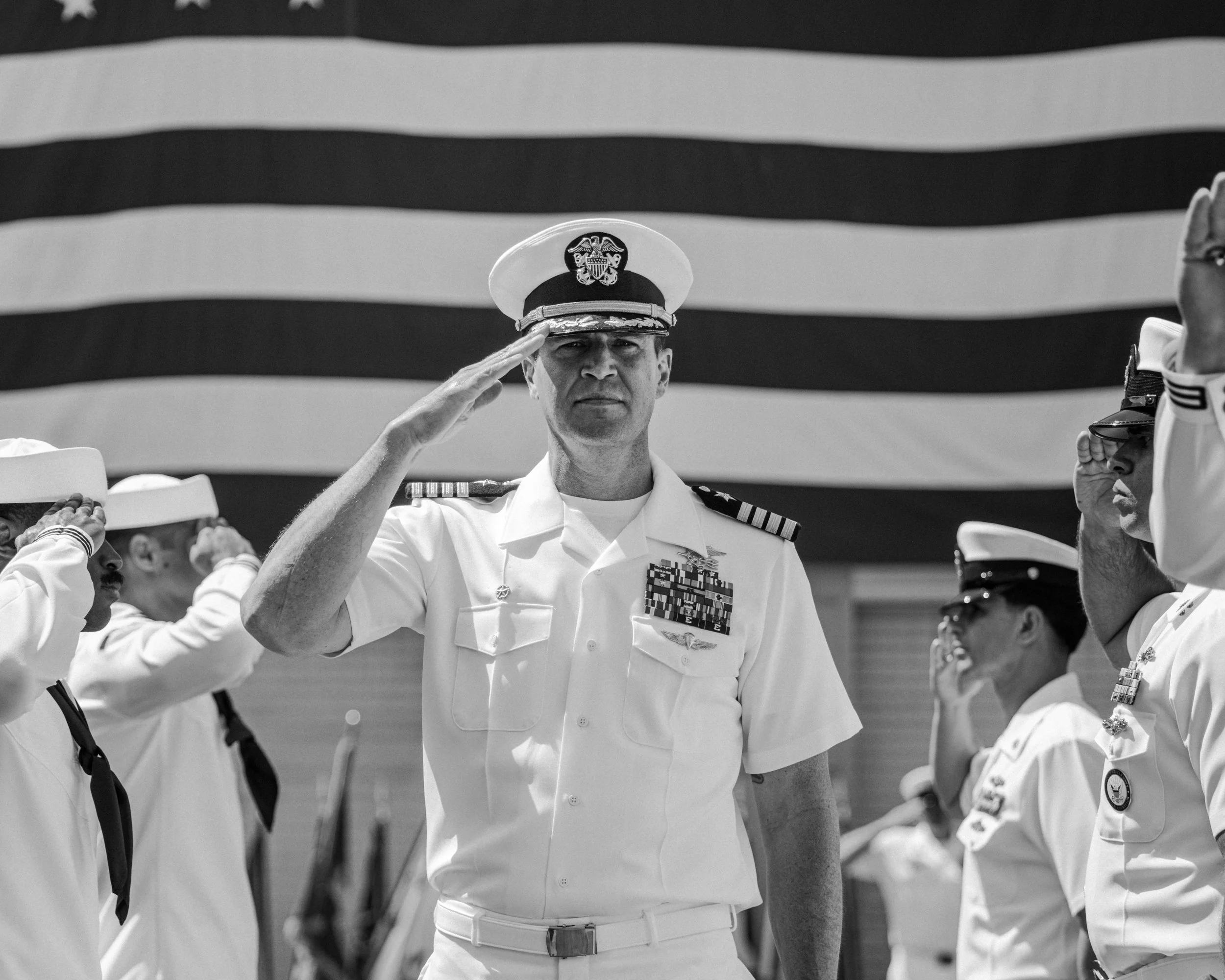
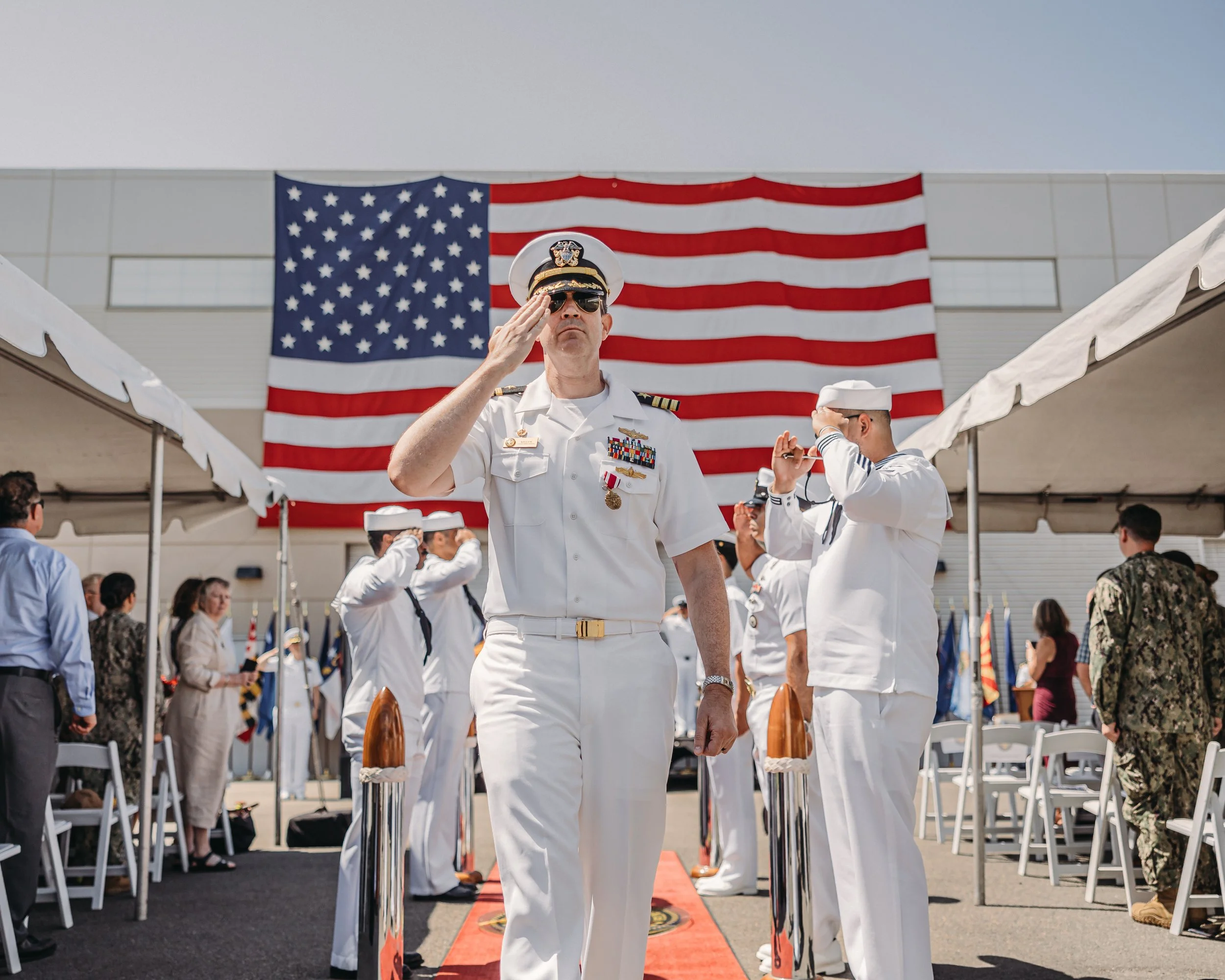
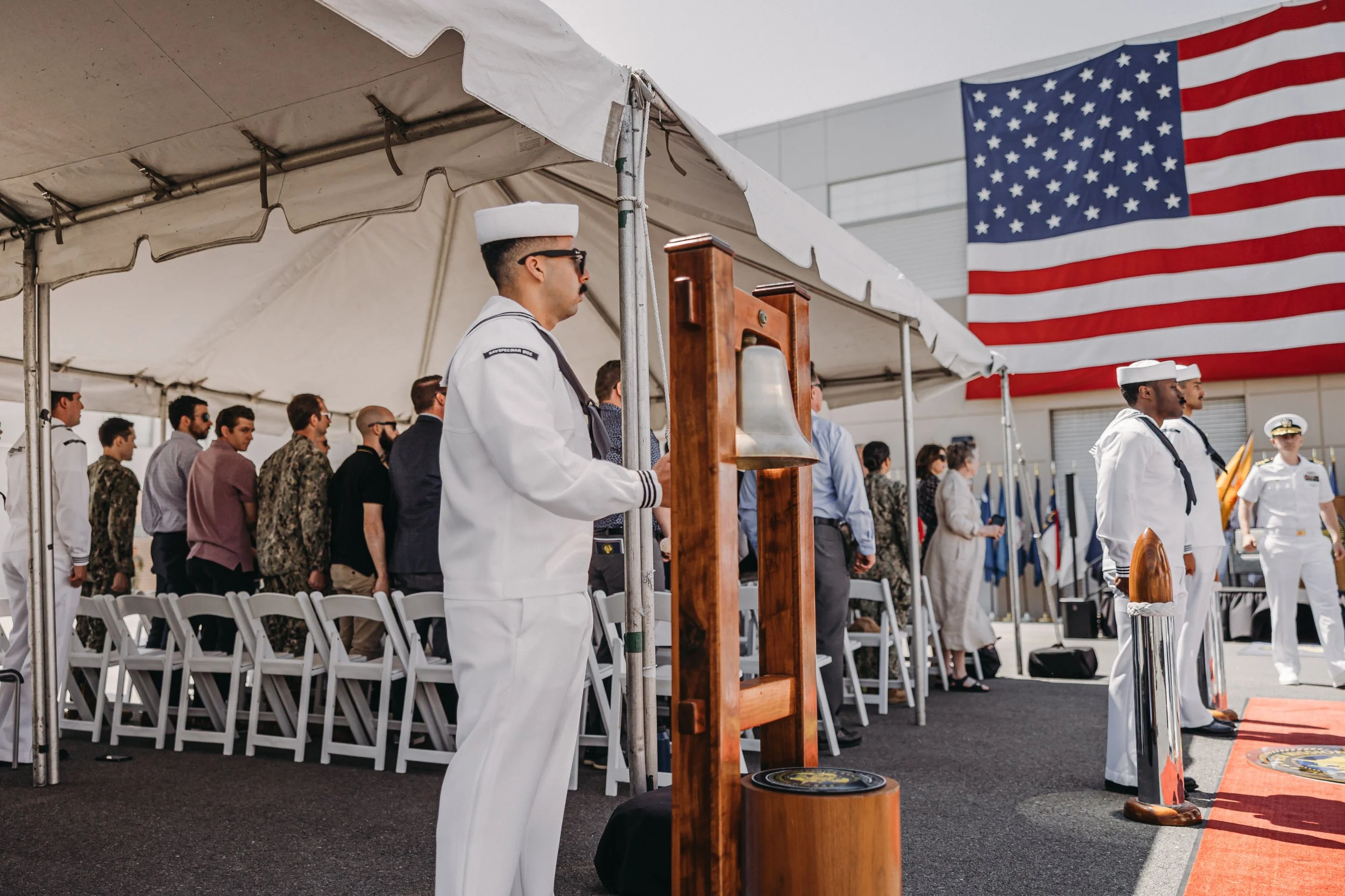
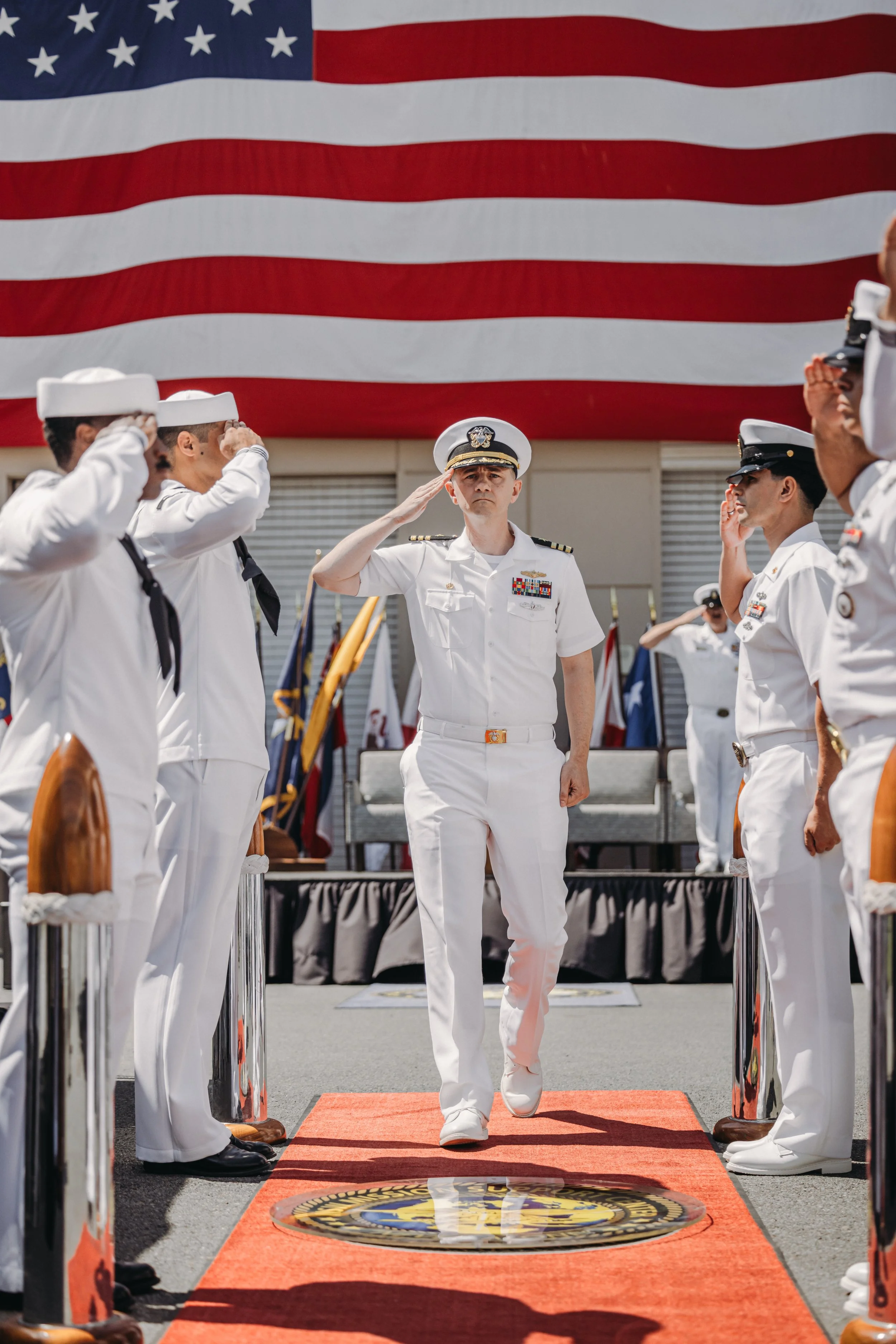
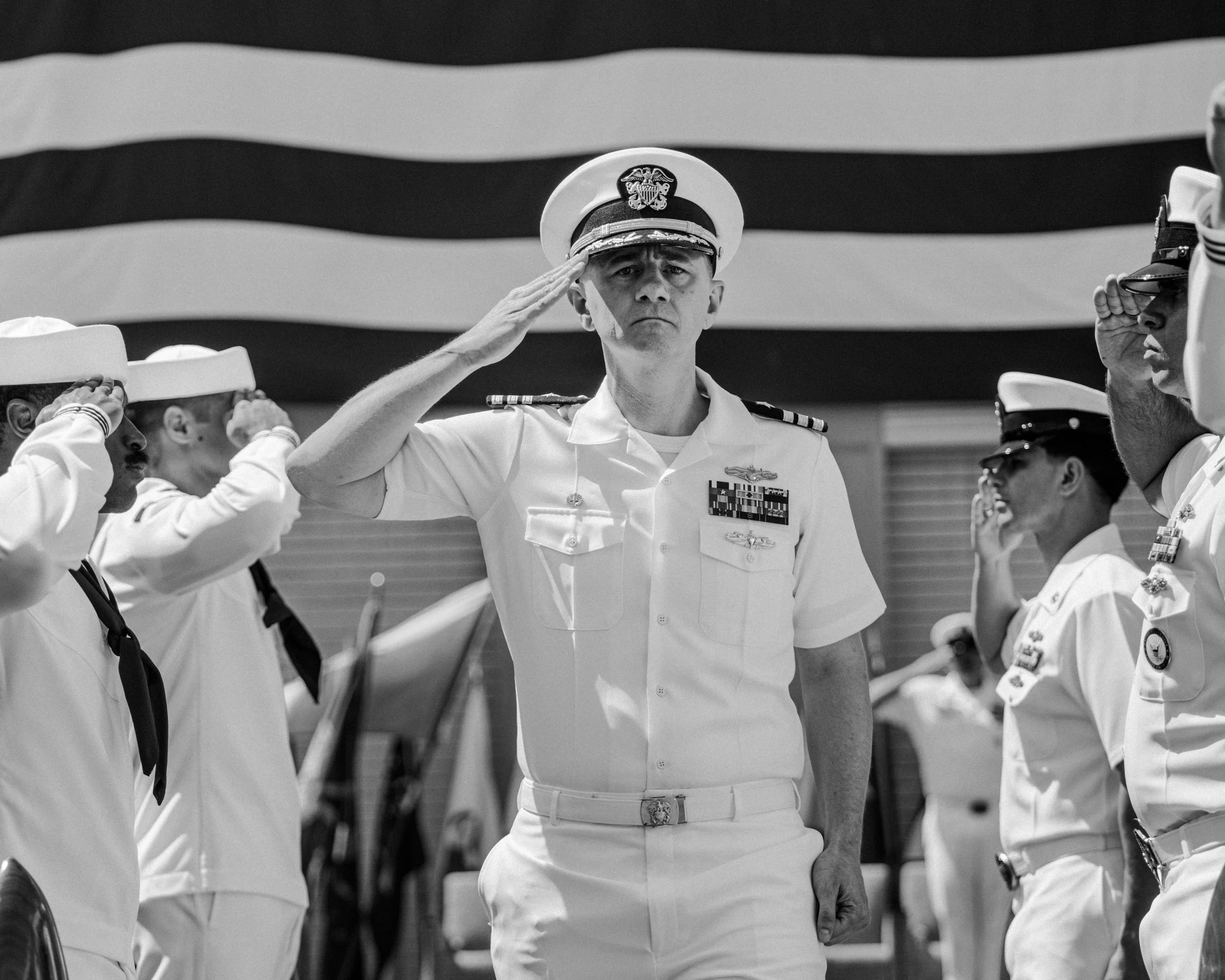
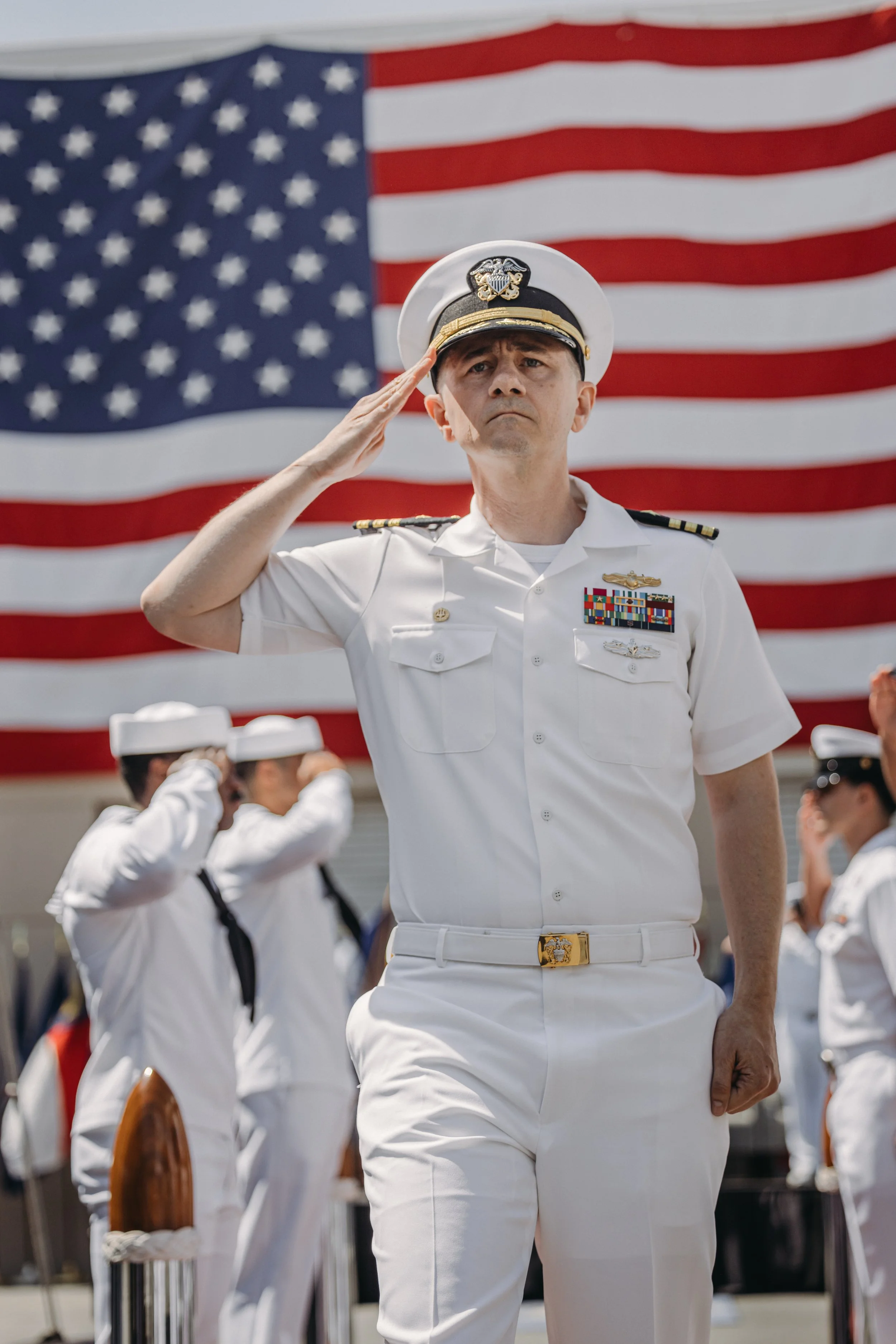
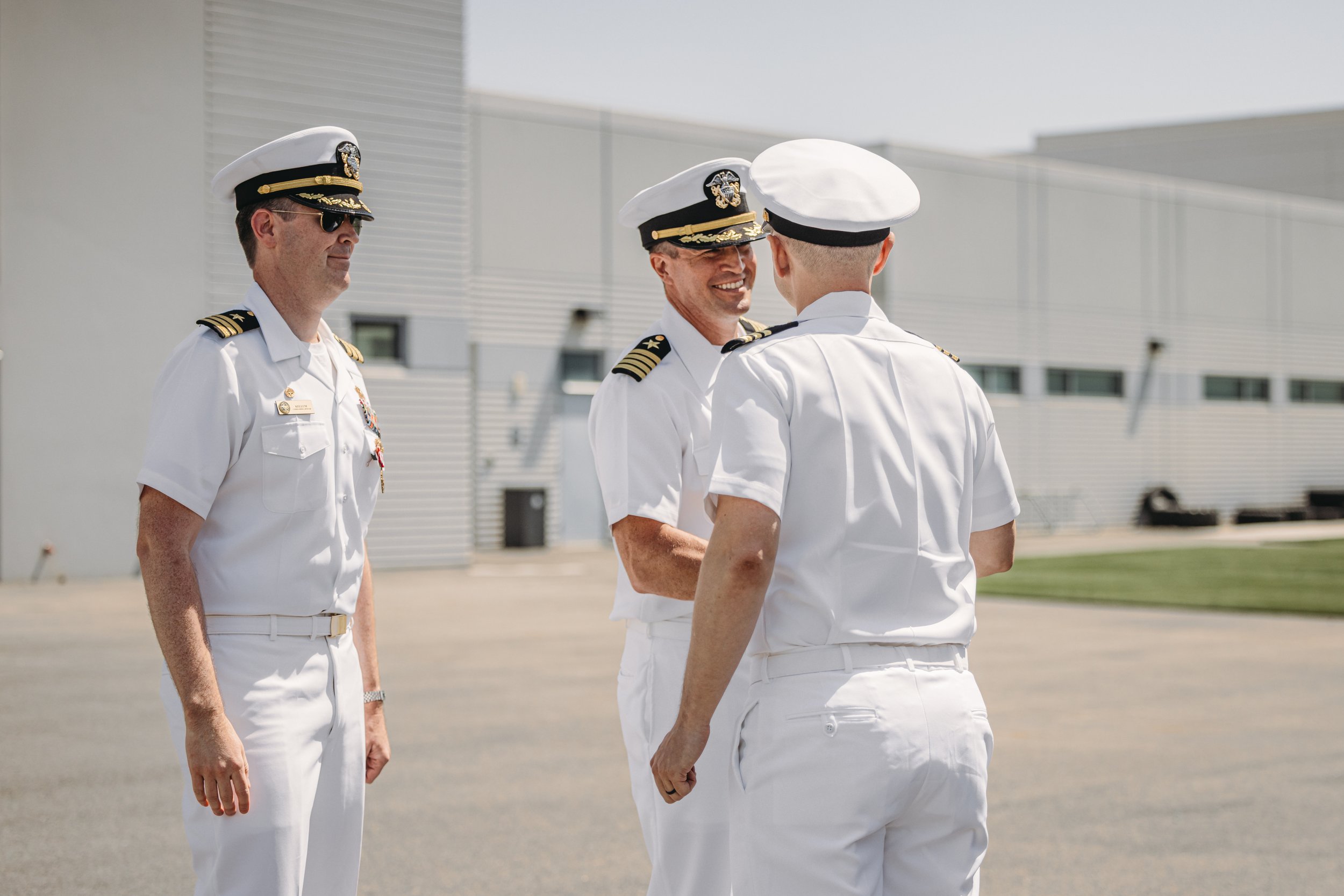
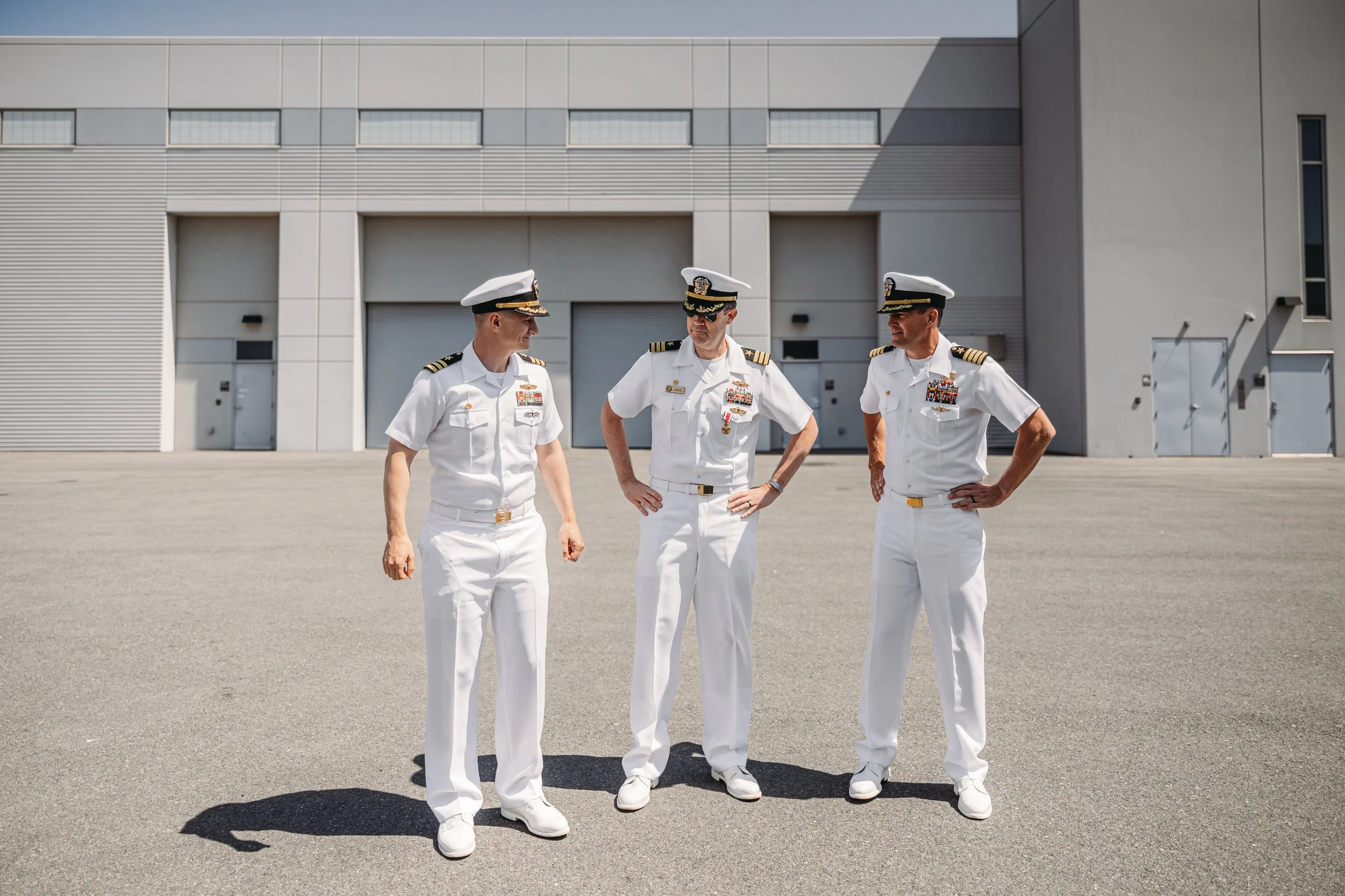
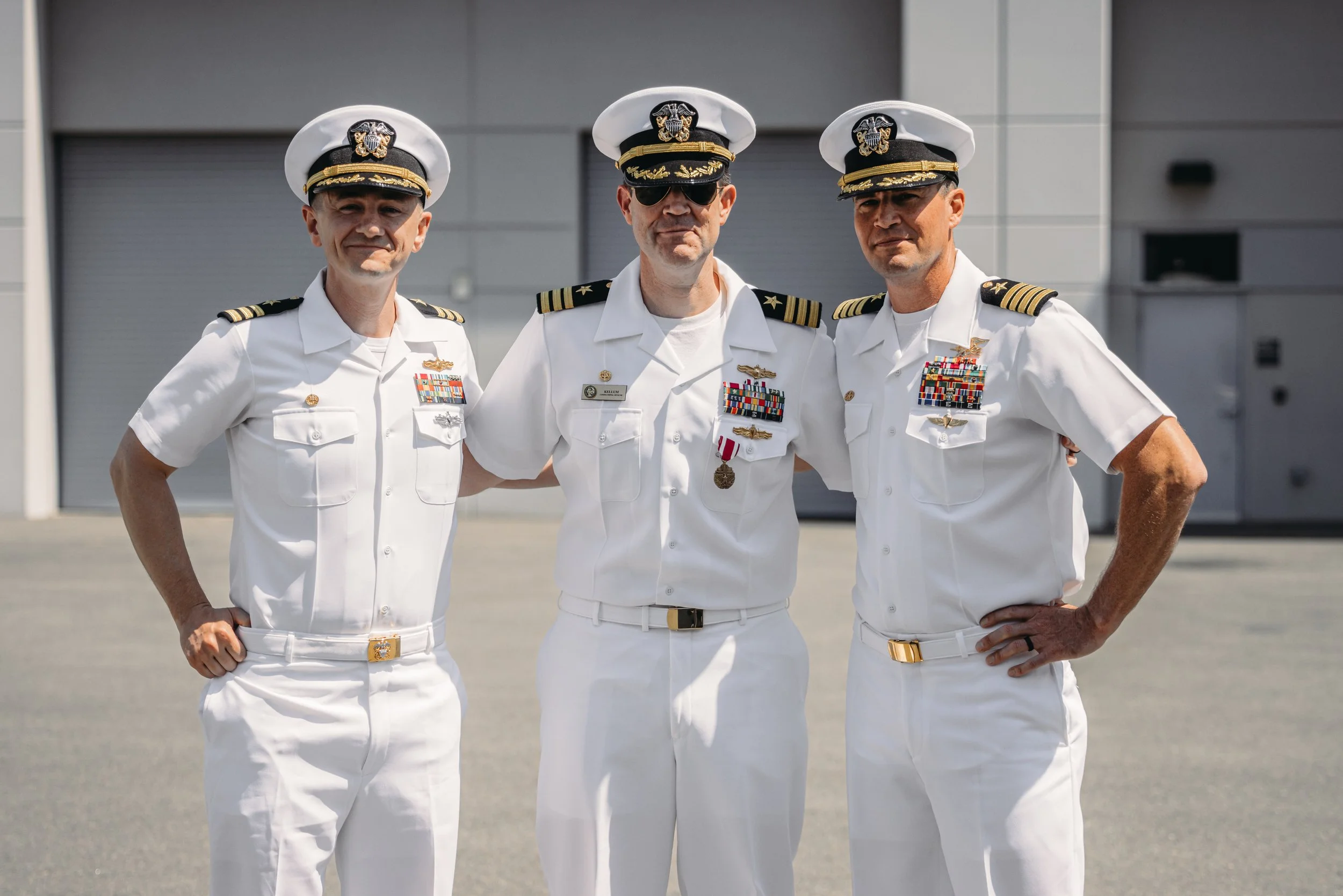
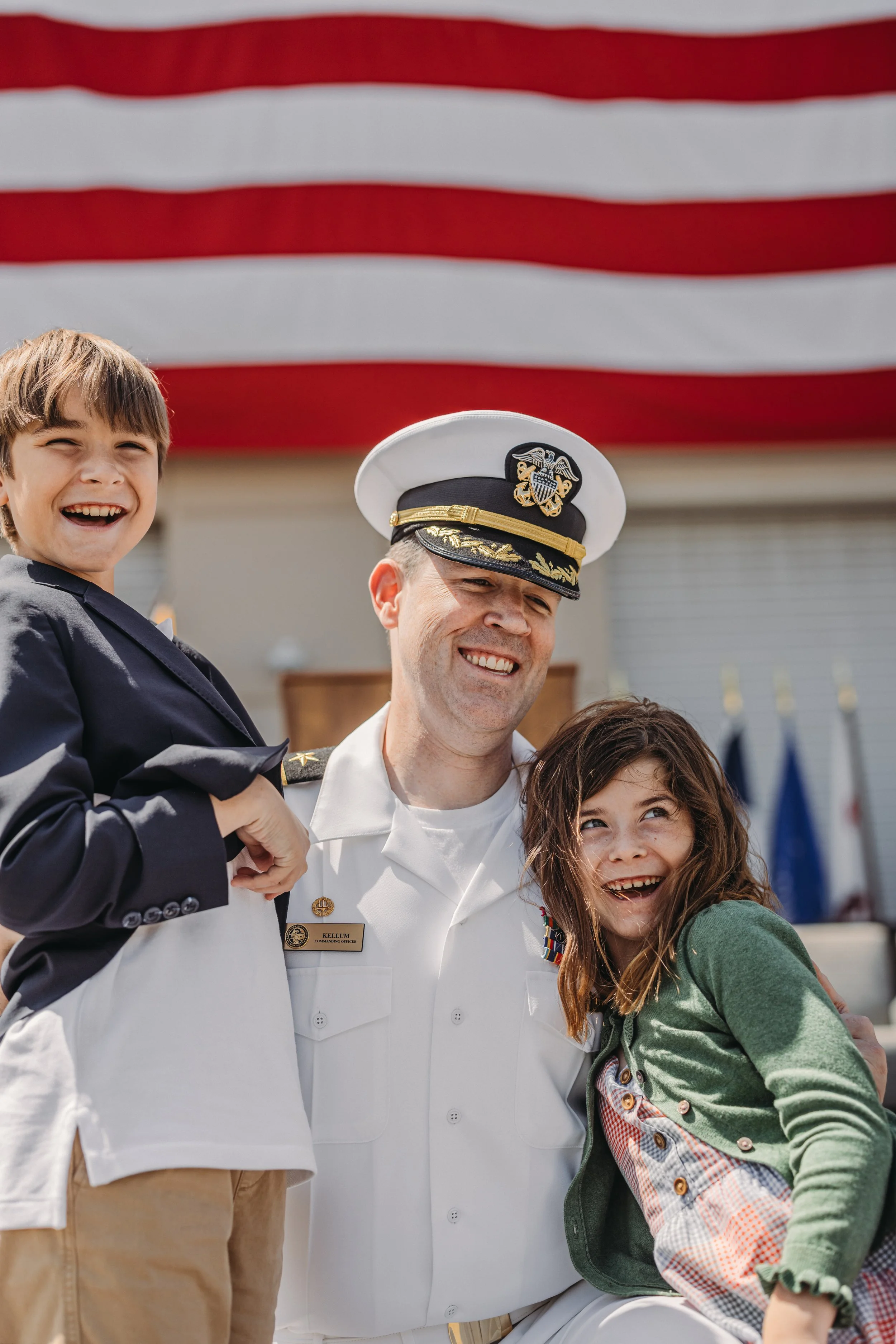
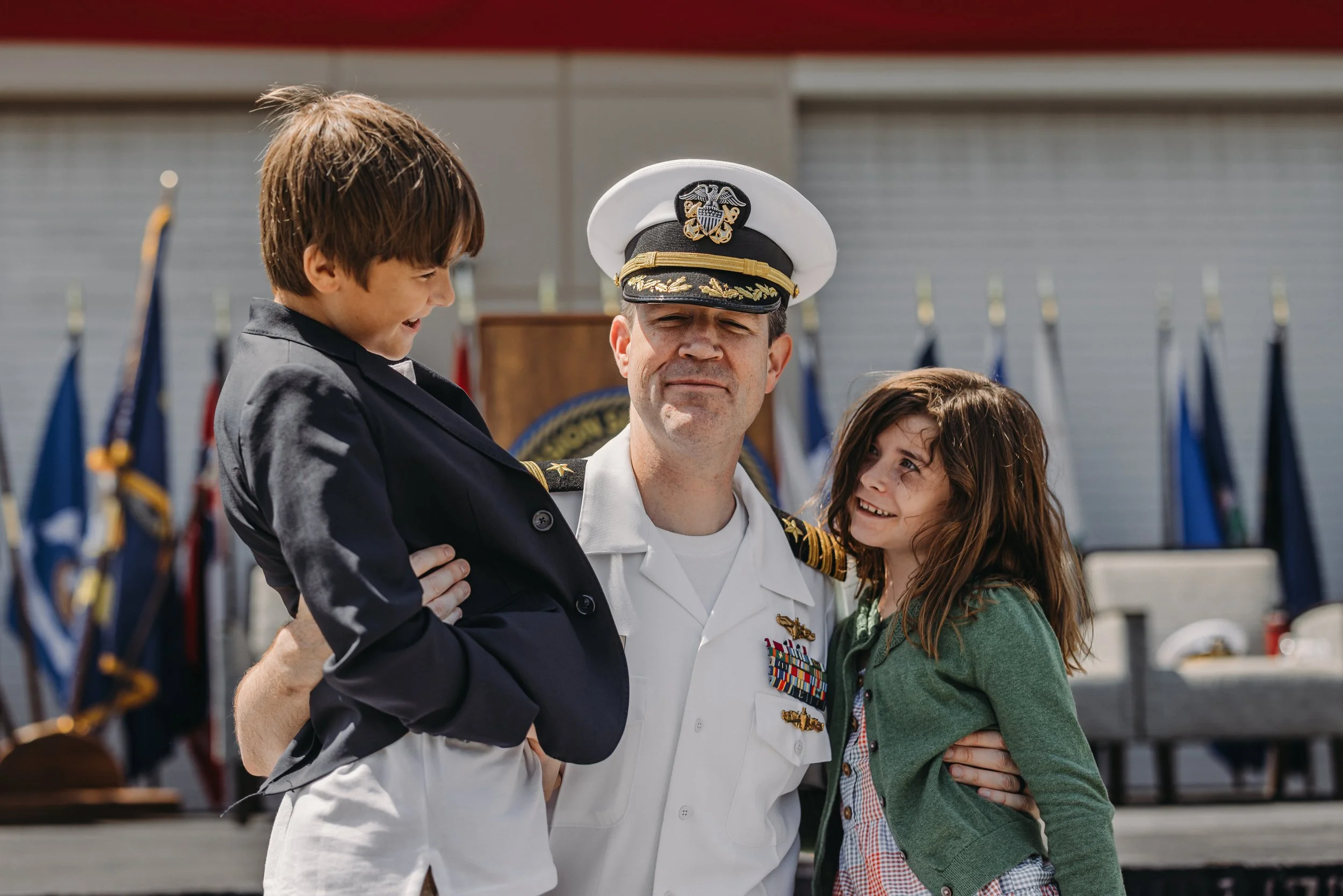
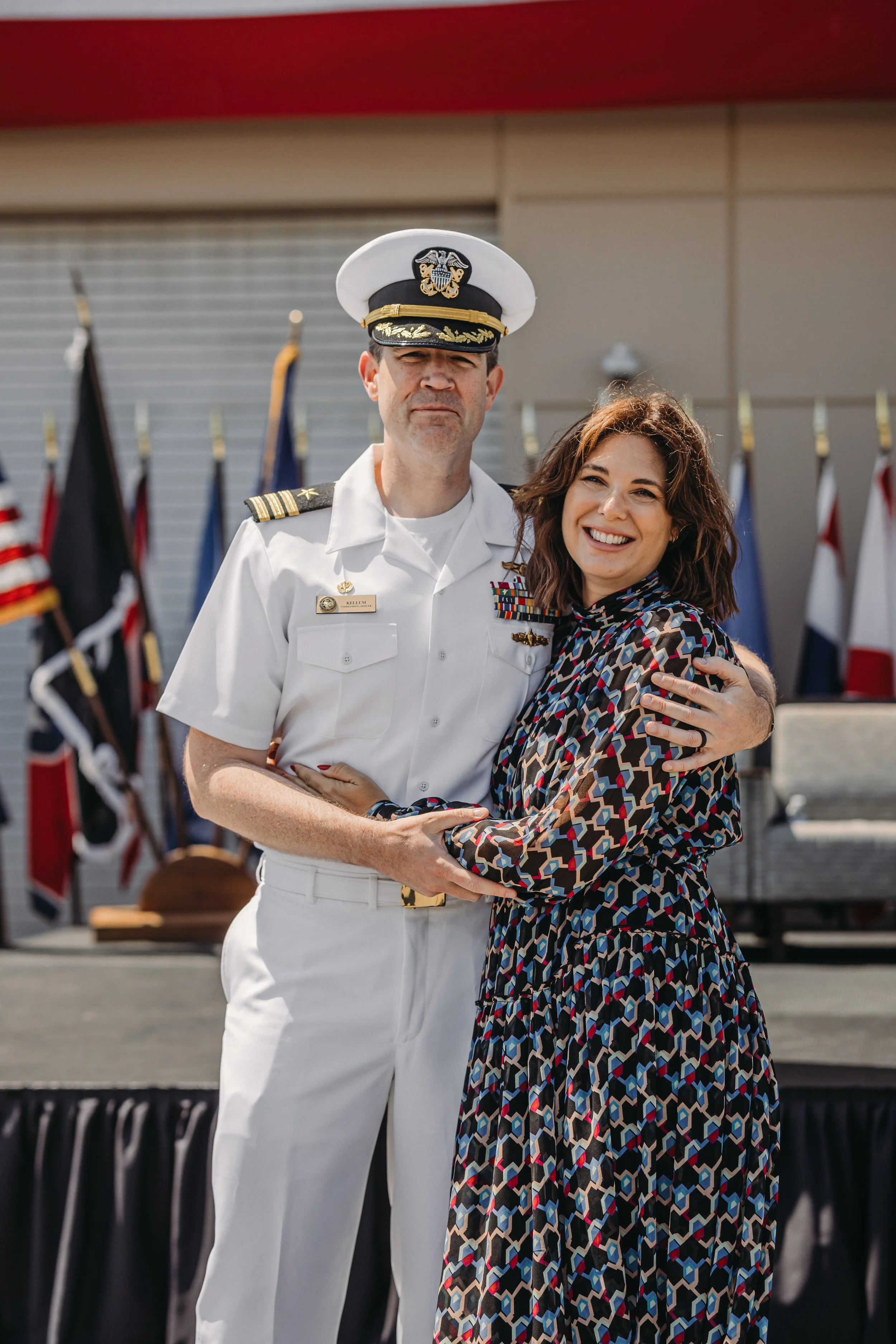
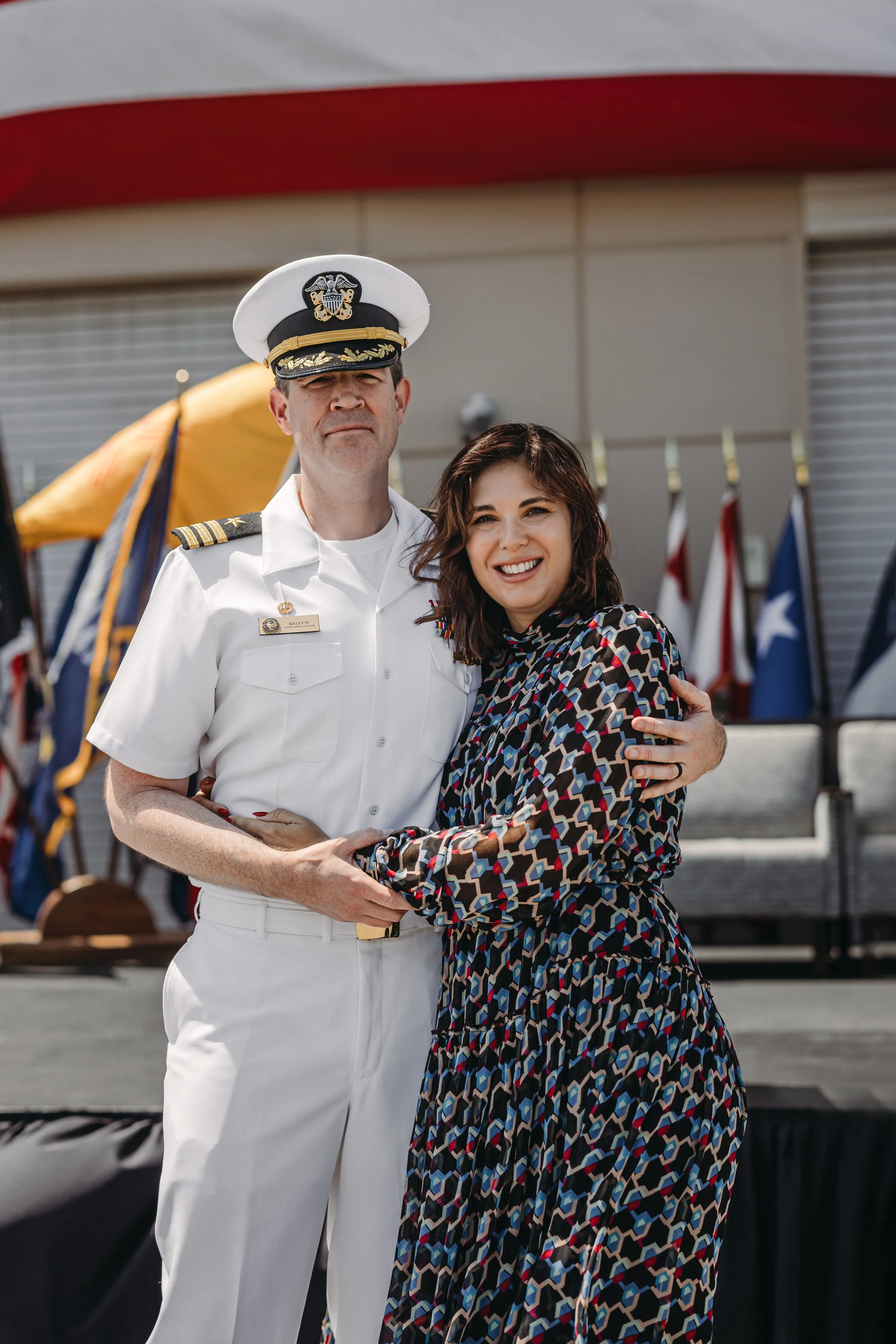
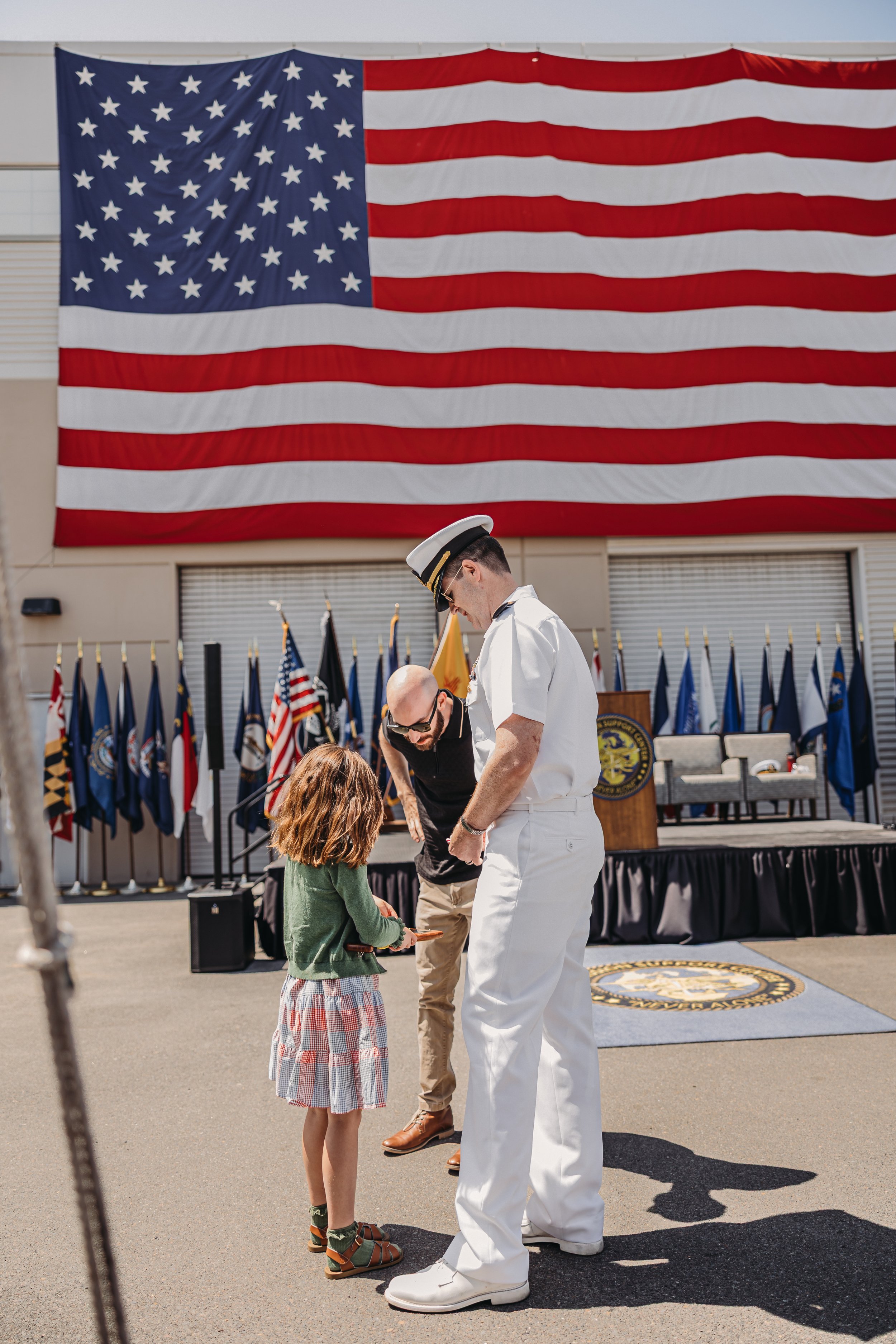
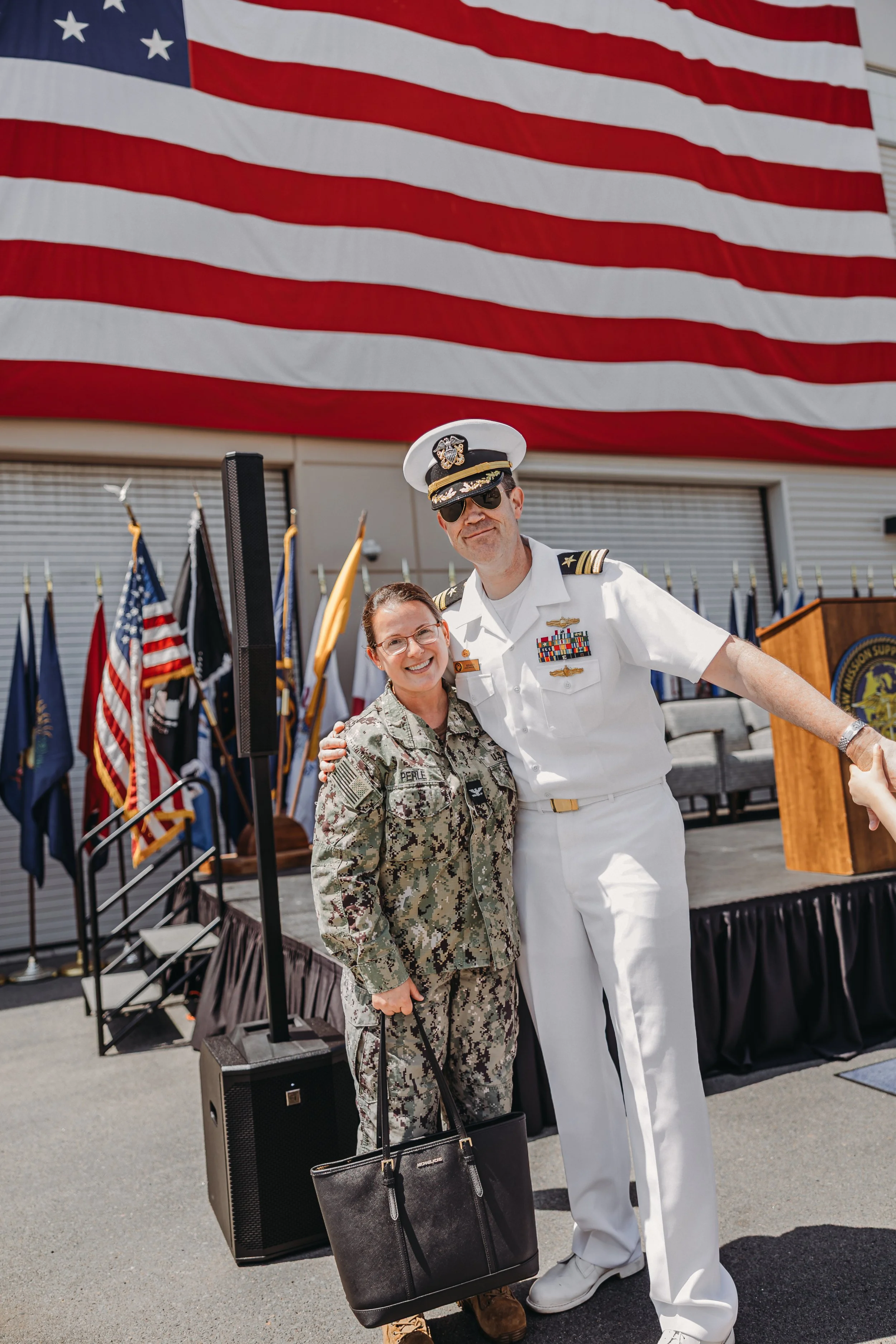
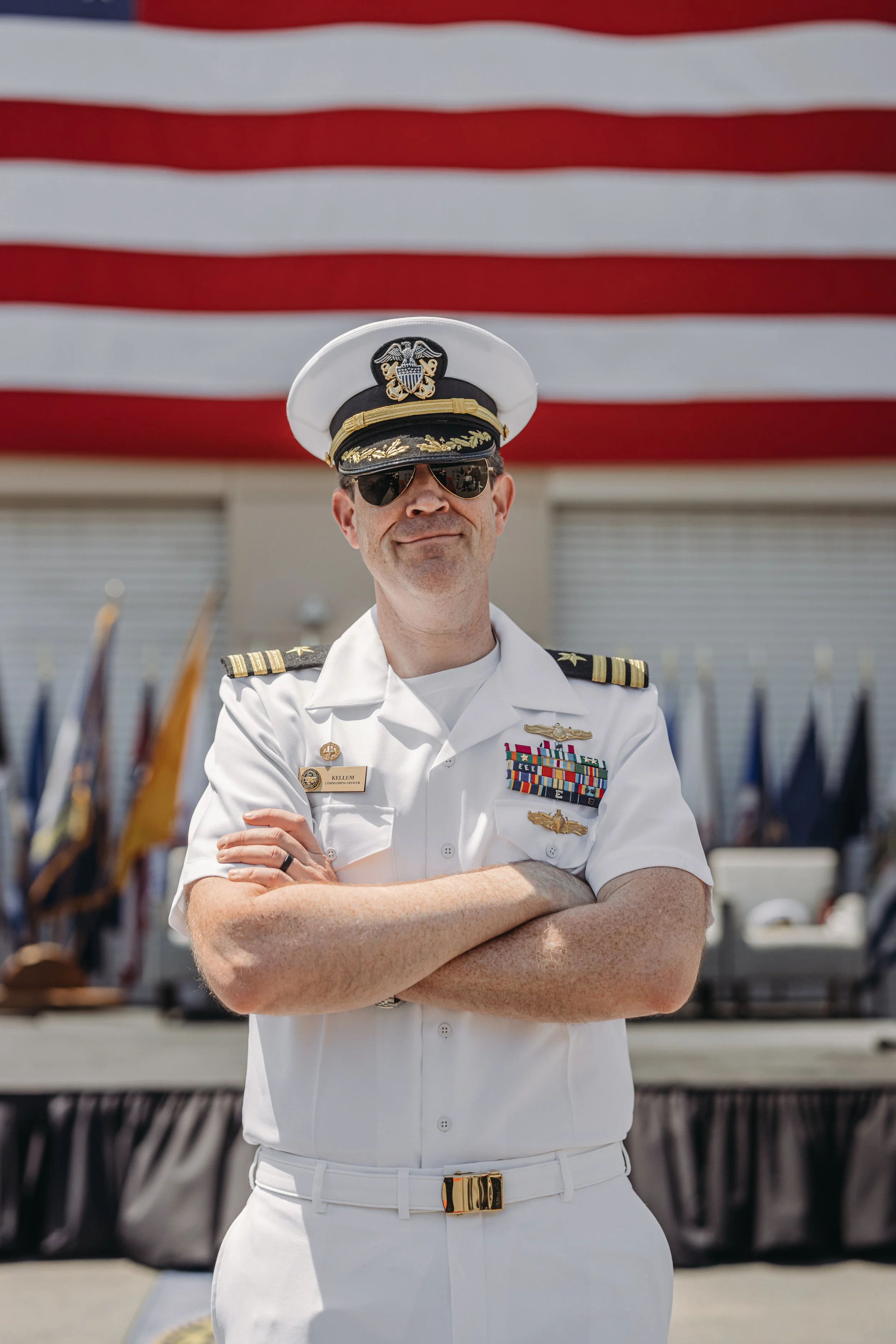
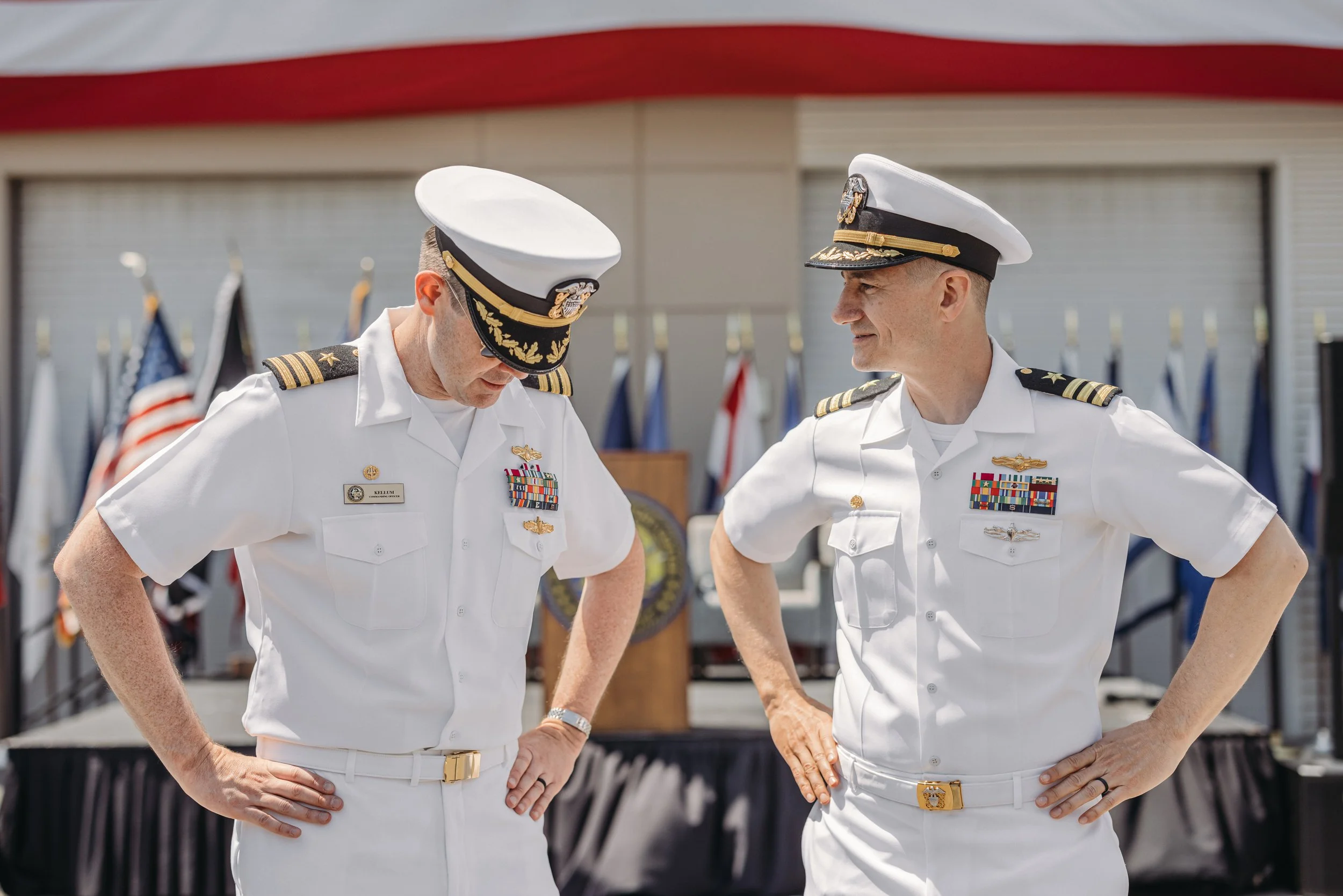
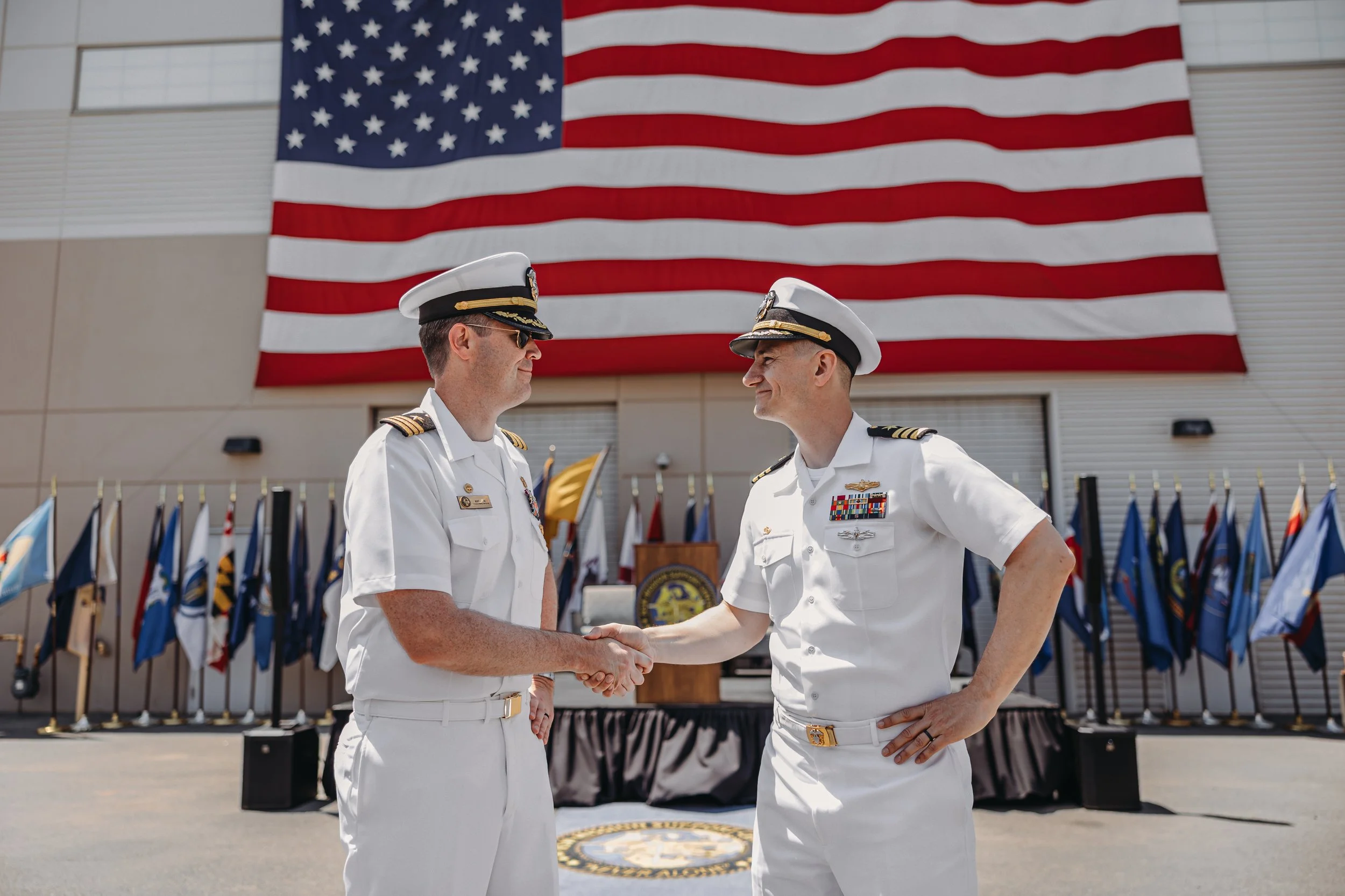
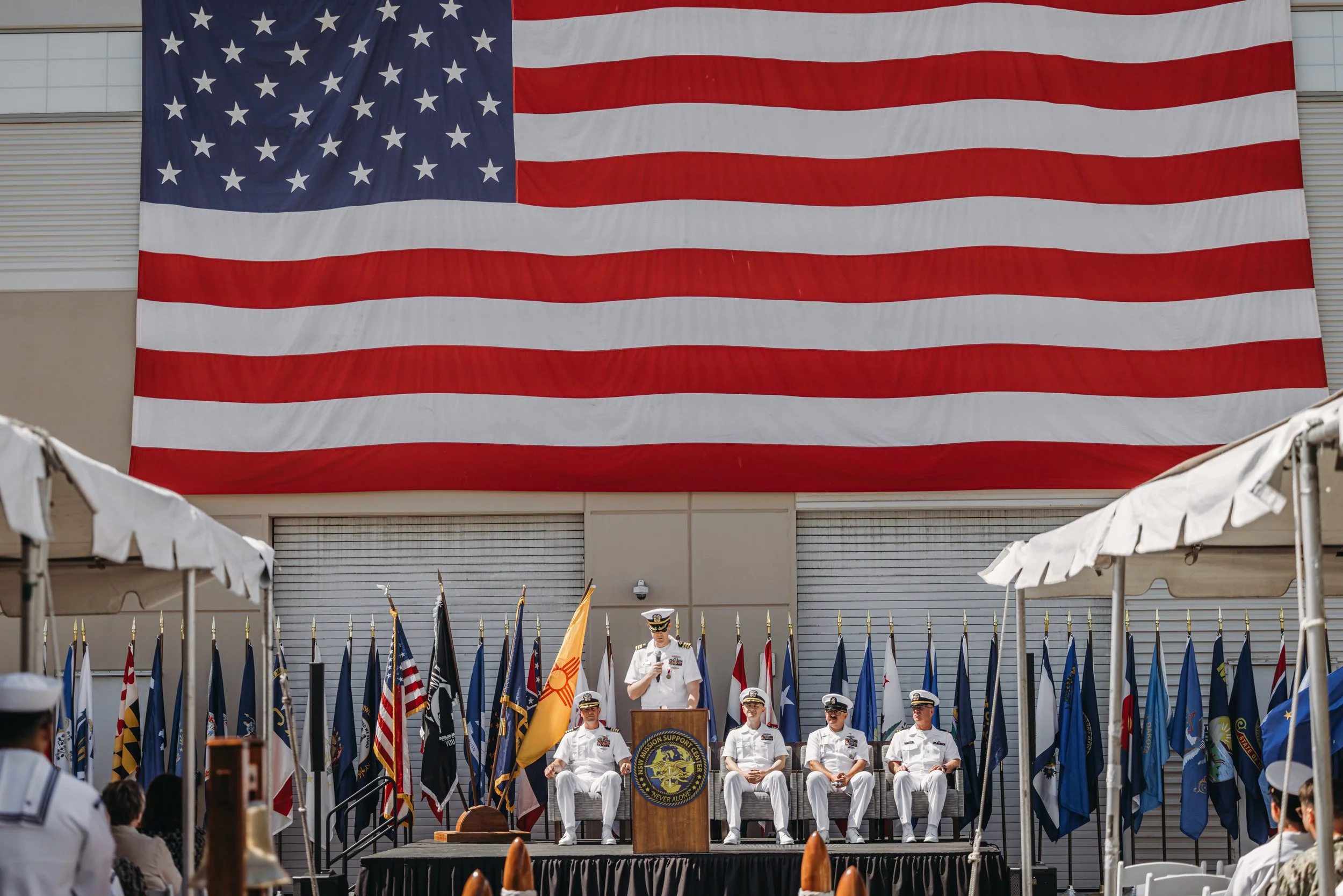
Last week, I had the privilege of photographing a Naval Special Warfare Change of Command ceremony in San Diego as Commander Edward R. Kellum relinquished command of Naval Special Warfare Mission Support Center (NSW MSC) to Commander John A. Bardenhagen III.
As a San Diego military photographer, I have the opportunity to document some of the military's most meaningful milestones, including homecomings, retirements, promotions, military funerals, and Change of Command ceremonies. While every event is unique, one thing they all have in common is the incredible history behind the people and units being recognized.
While reviewing the ceremony program and listening to the remarks throughout the morning, I found myself asking a question that many military members and families may not even realize exists:
What happened to Naval Special Warfare Groups 3 and 10?
After all, Group 8 is relatively new. So where did it come from?
That simple question led me down an interesting rabbit hole.
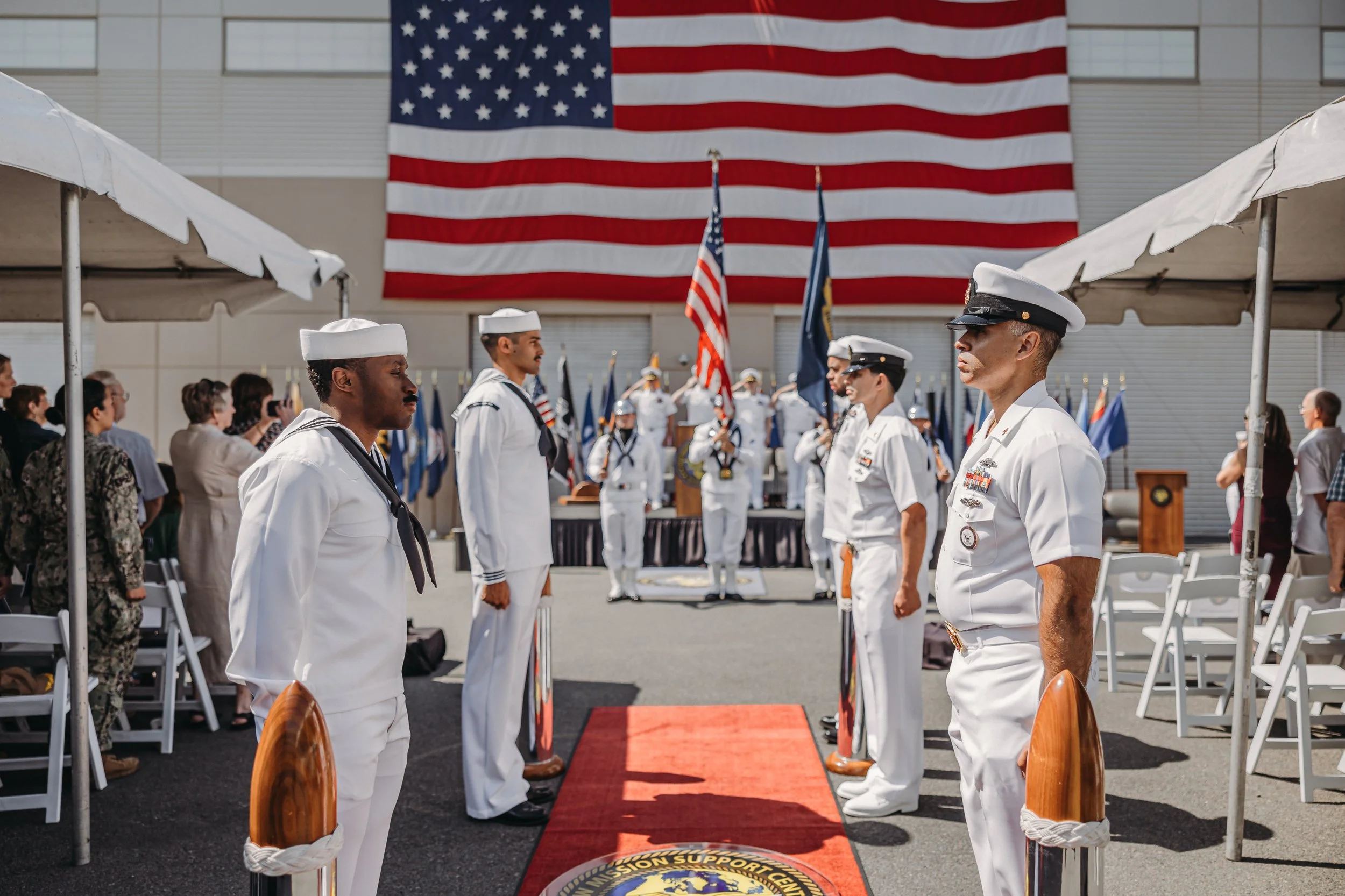
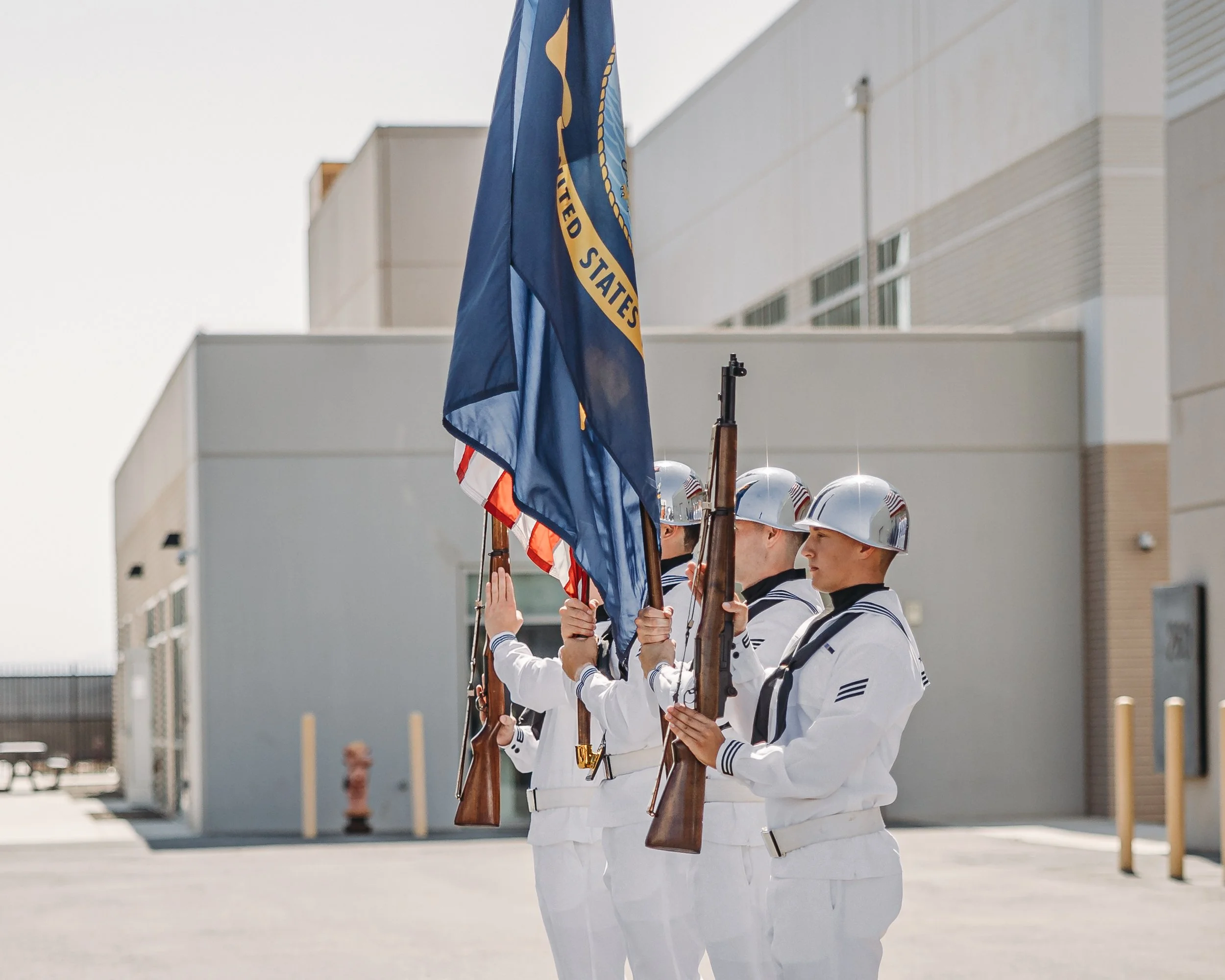
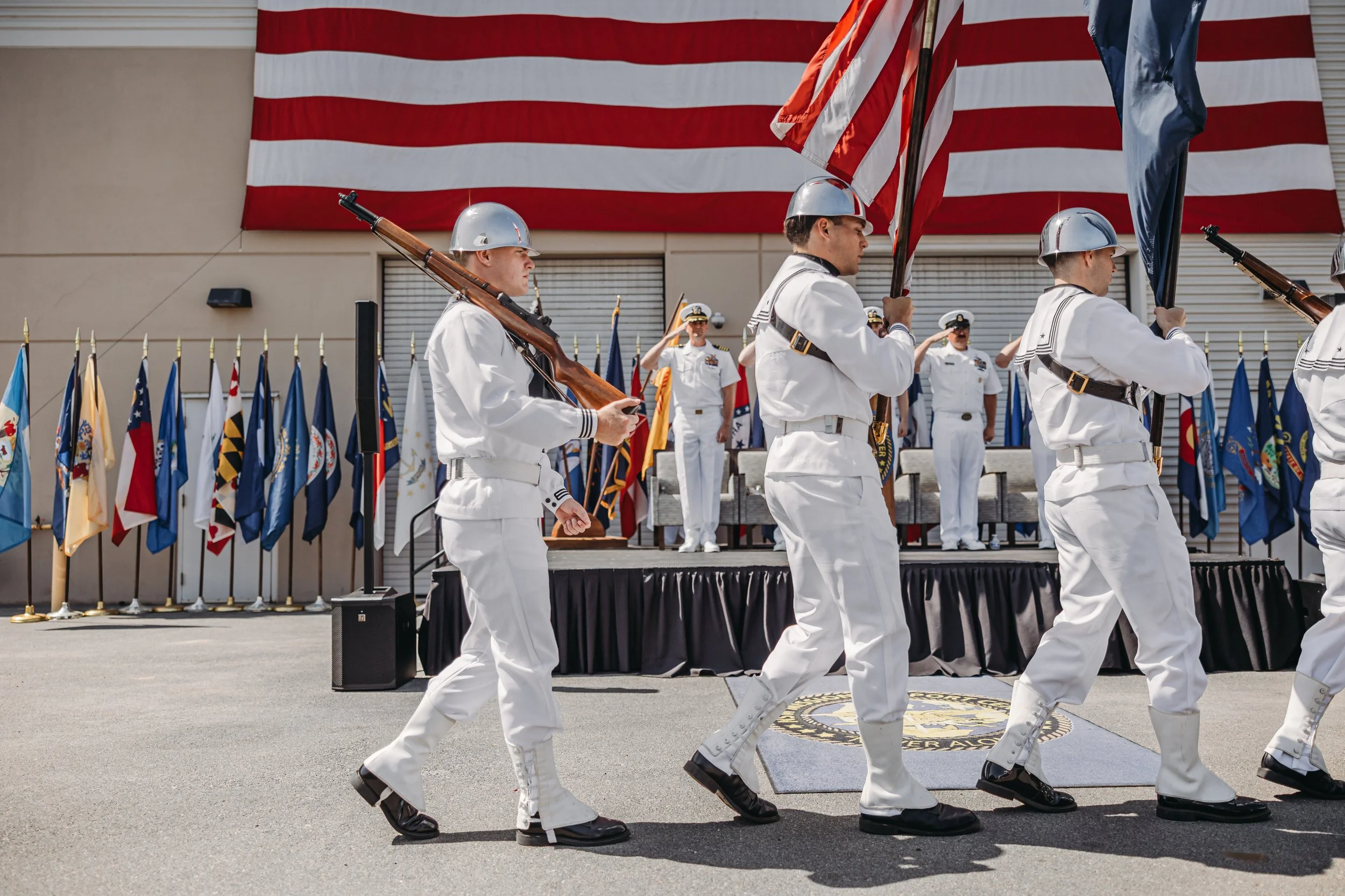
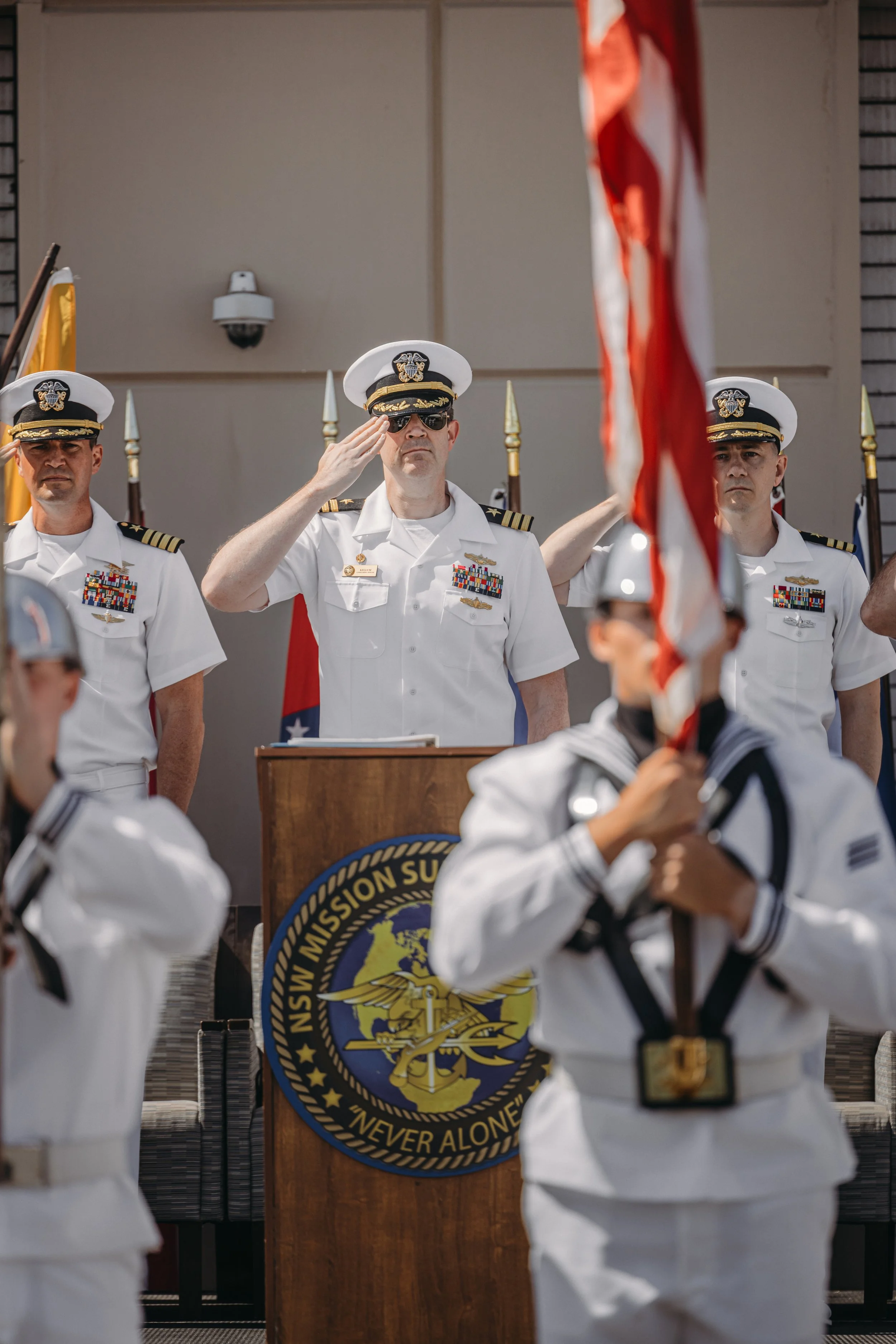
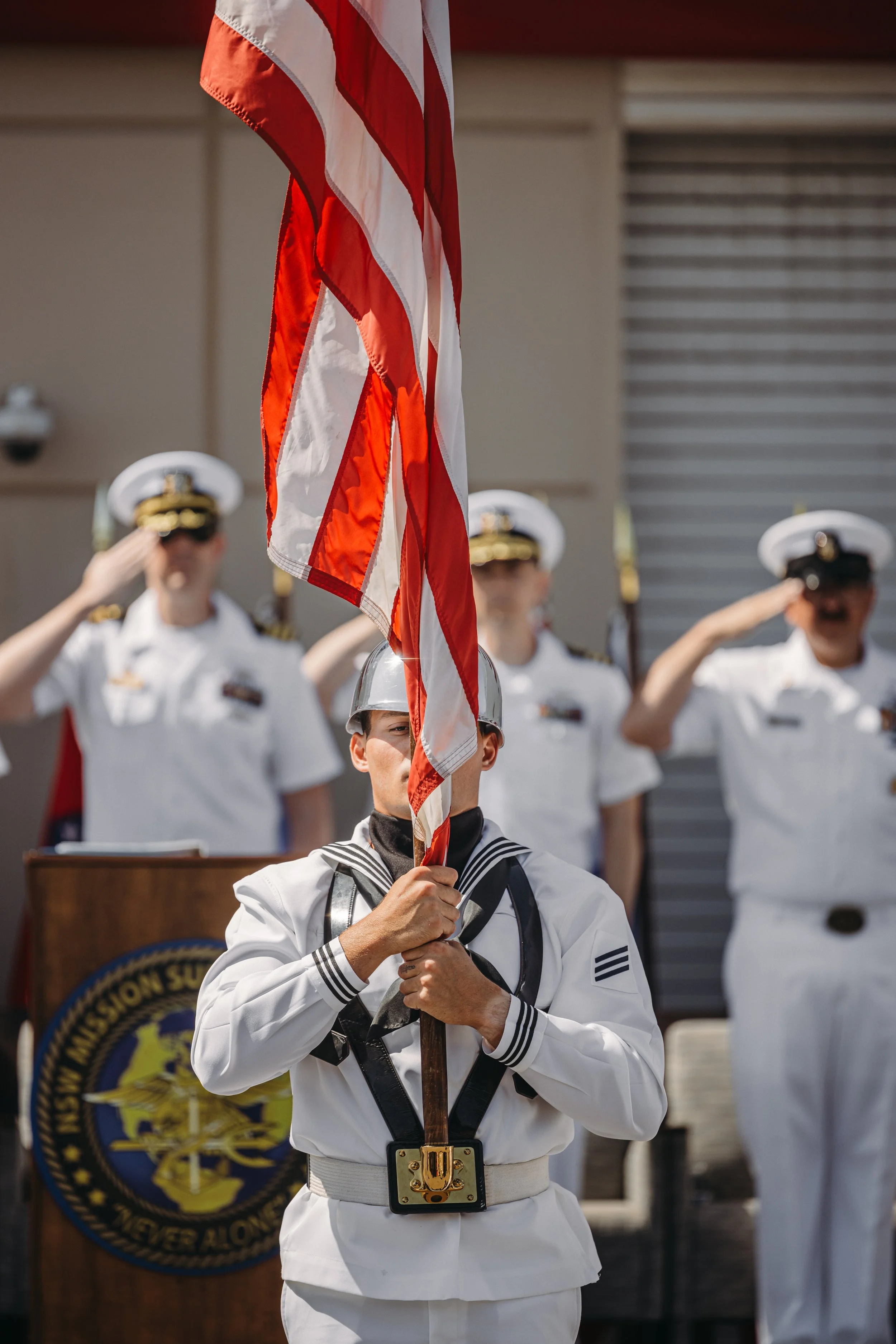
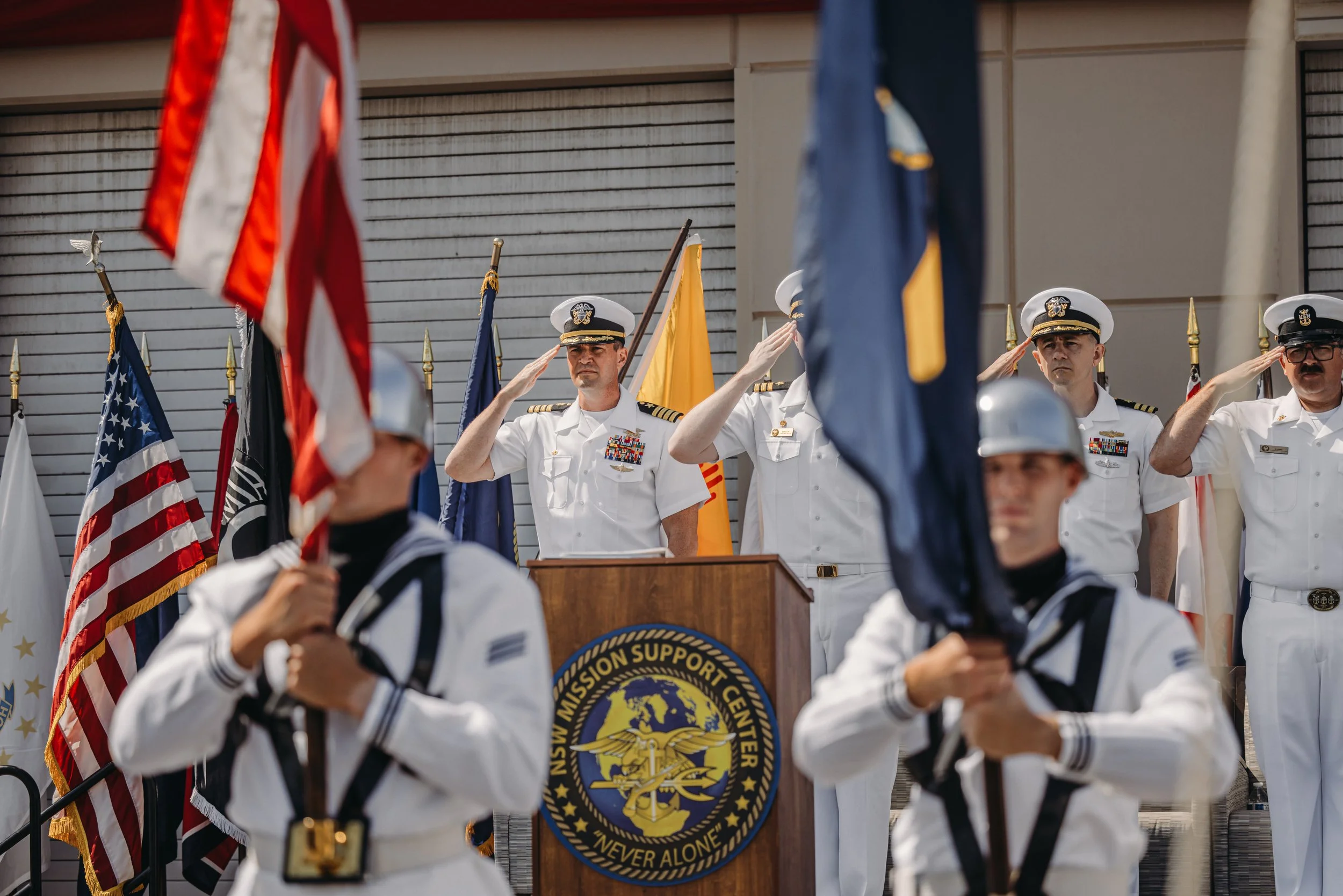
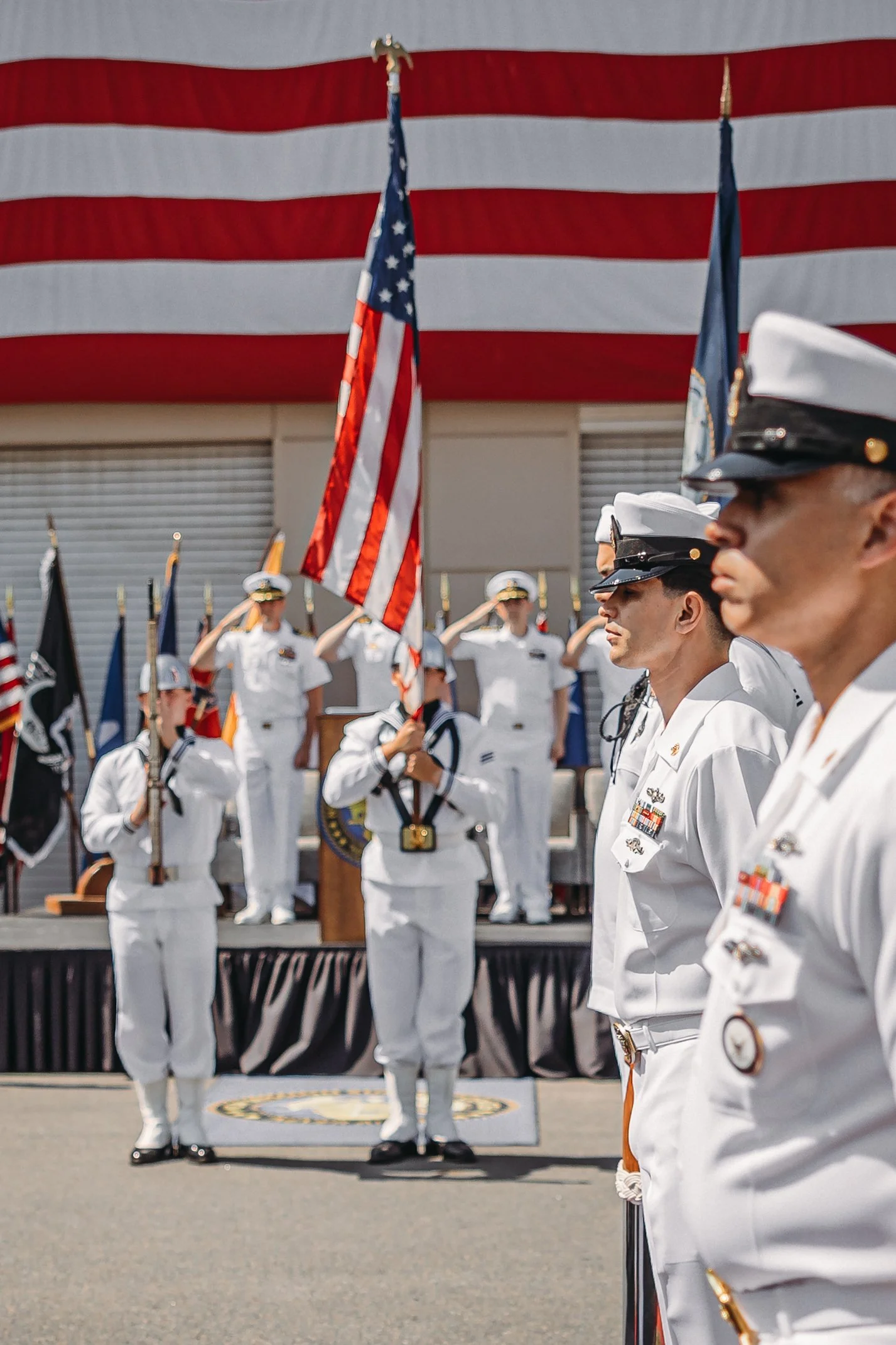
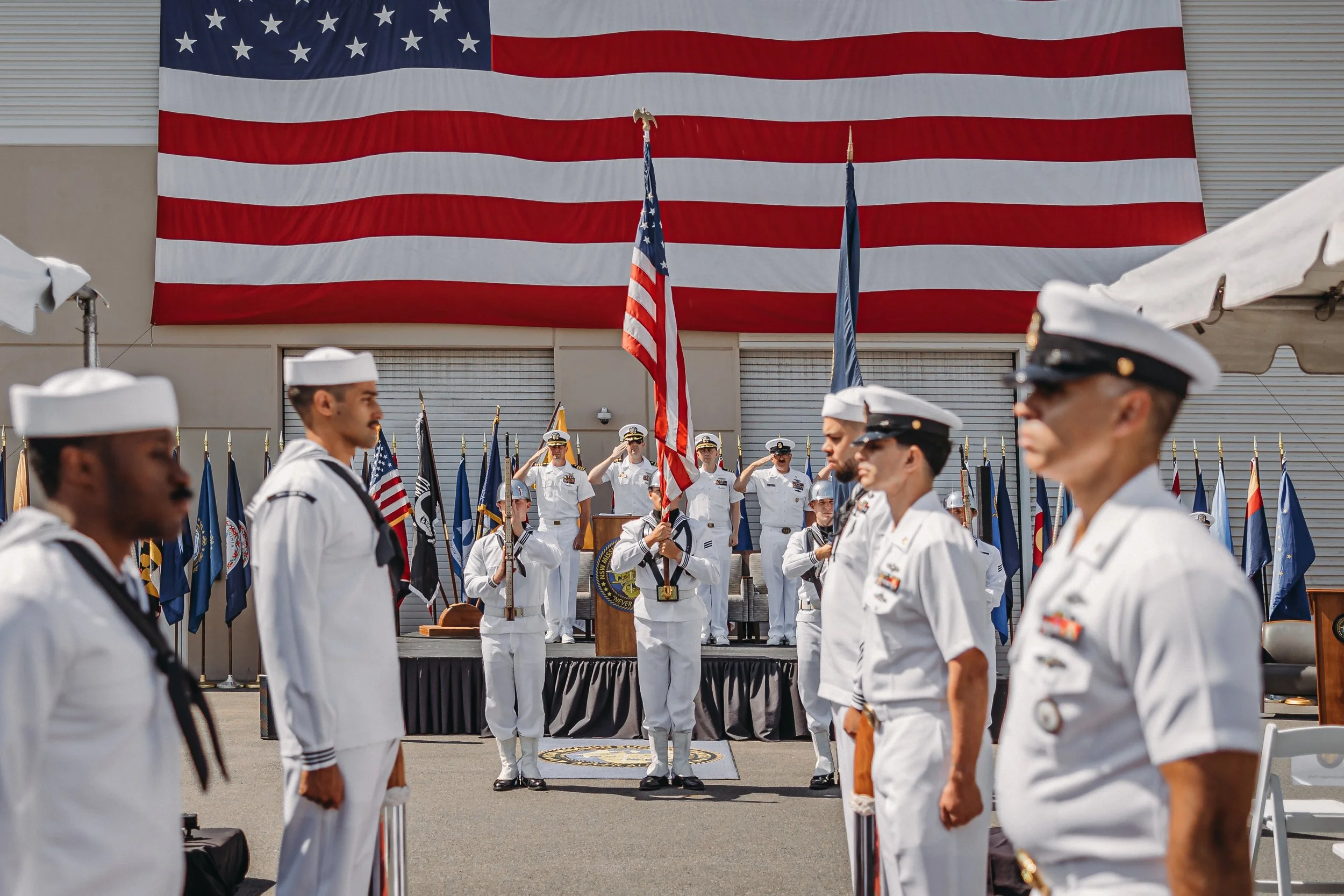
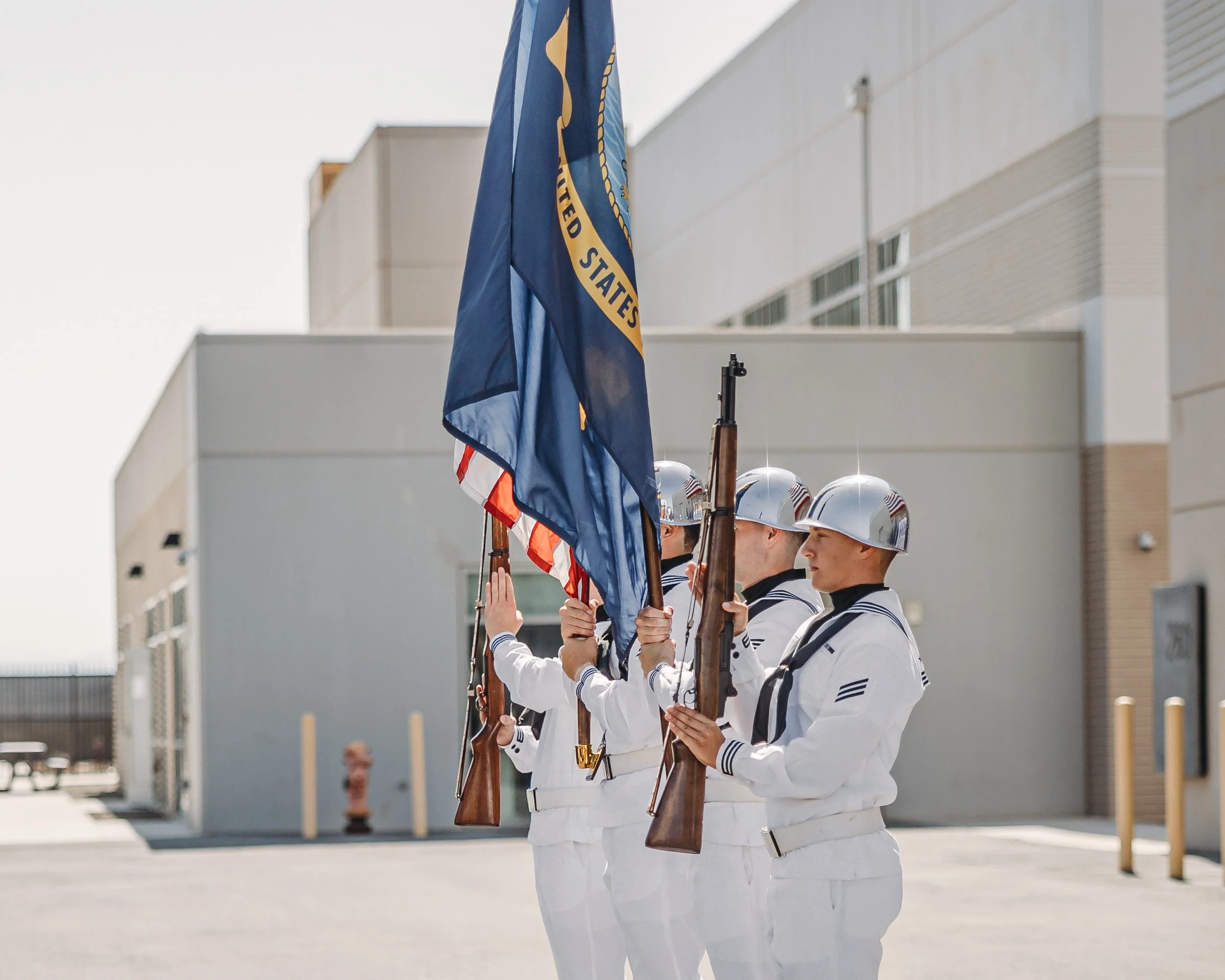
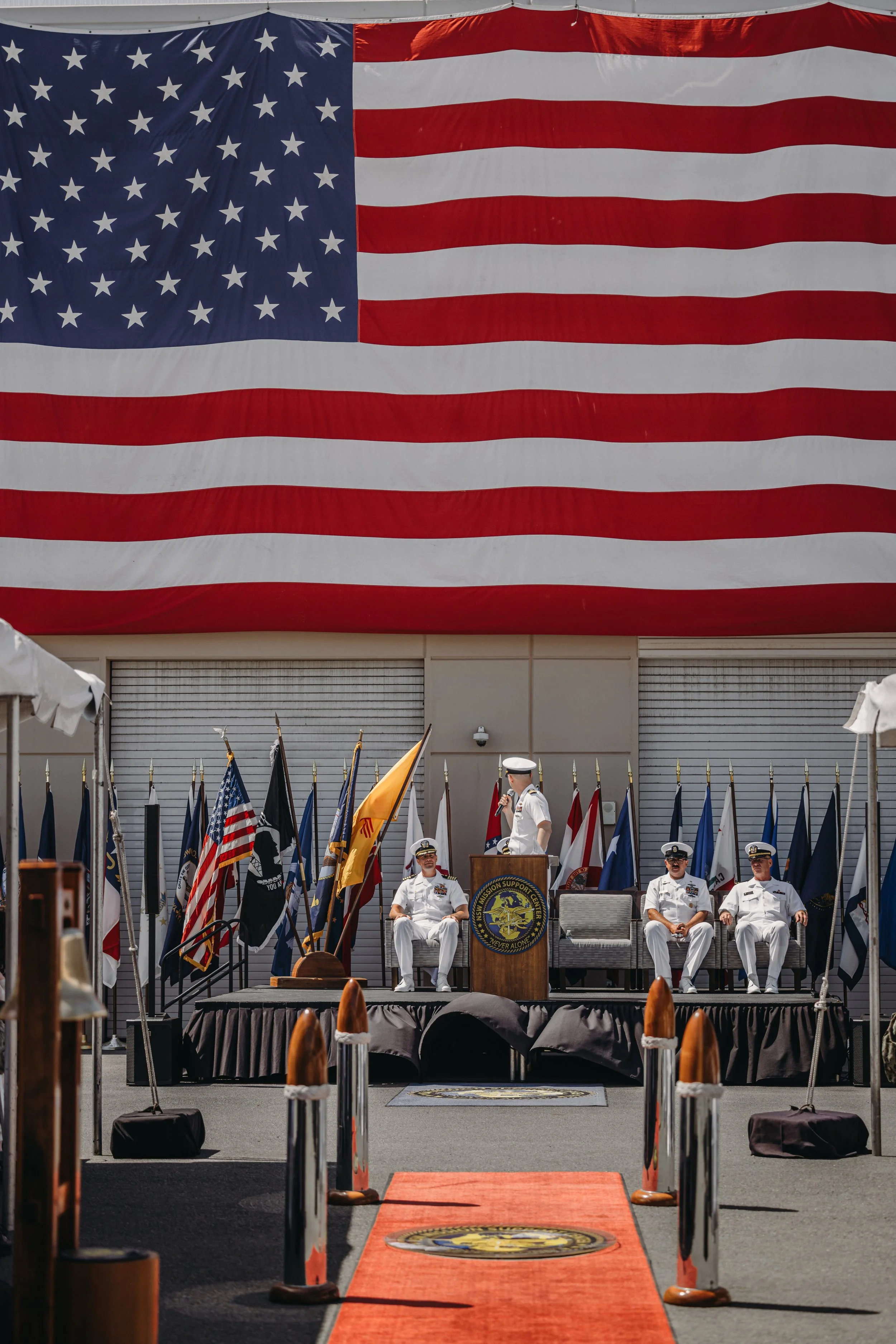
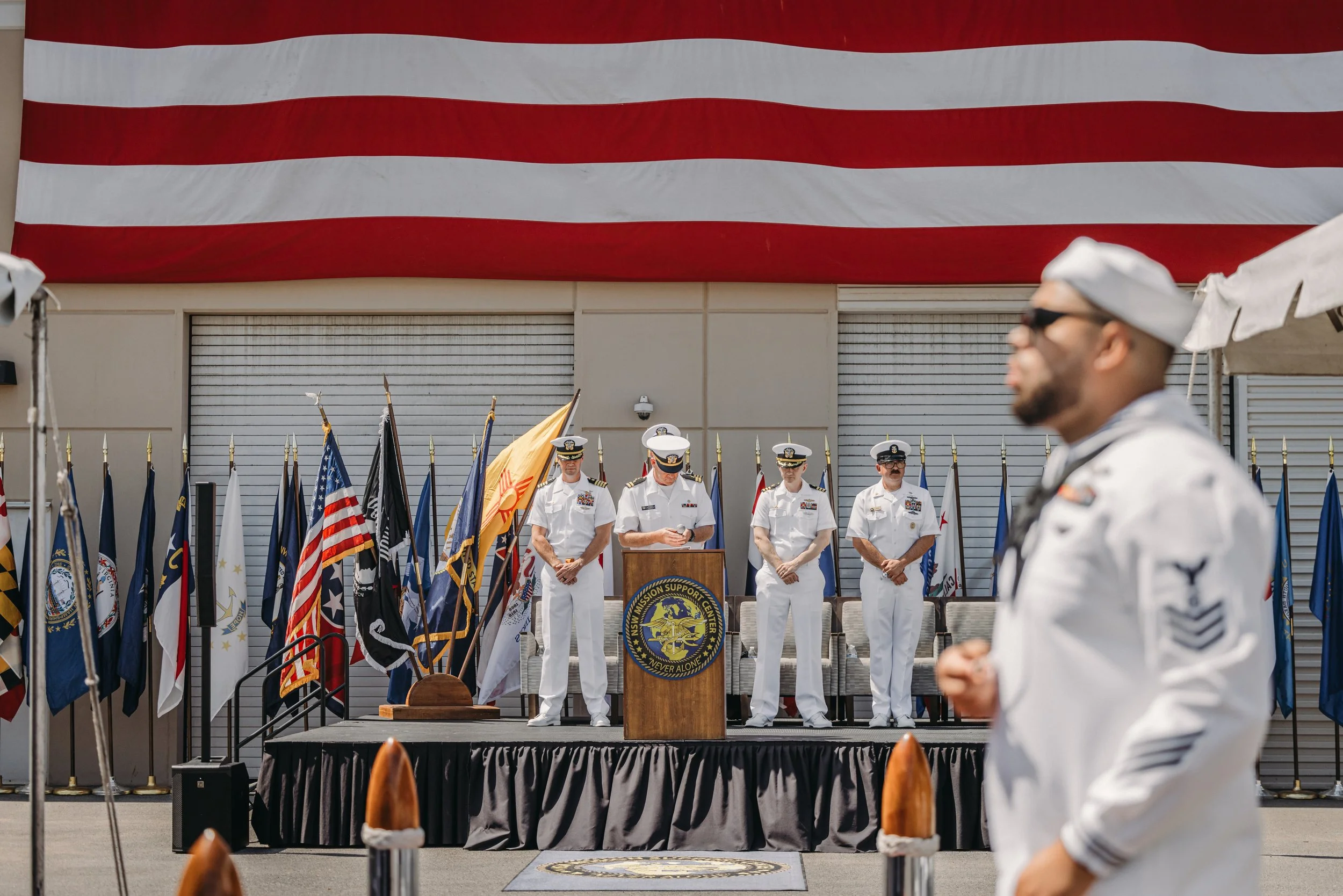
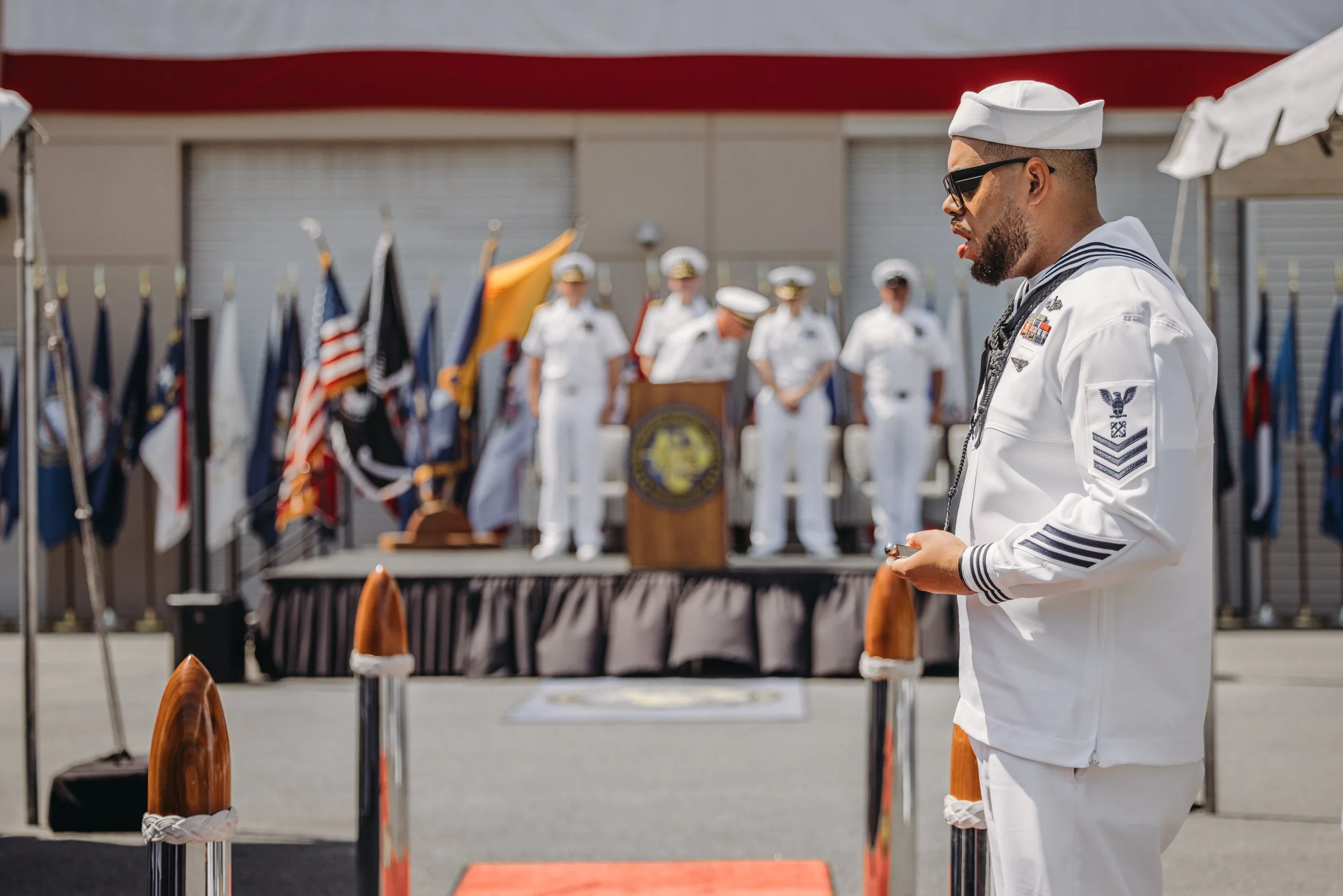
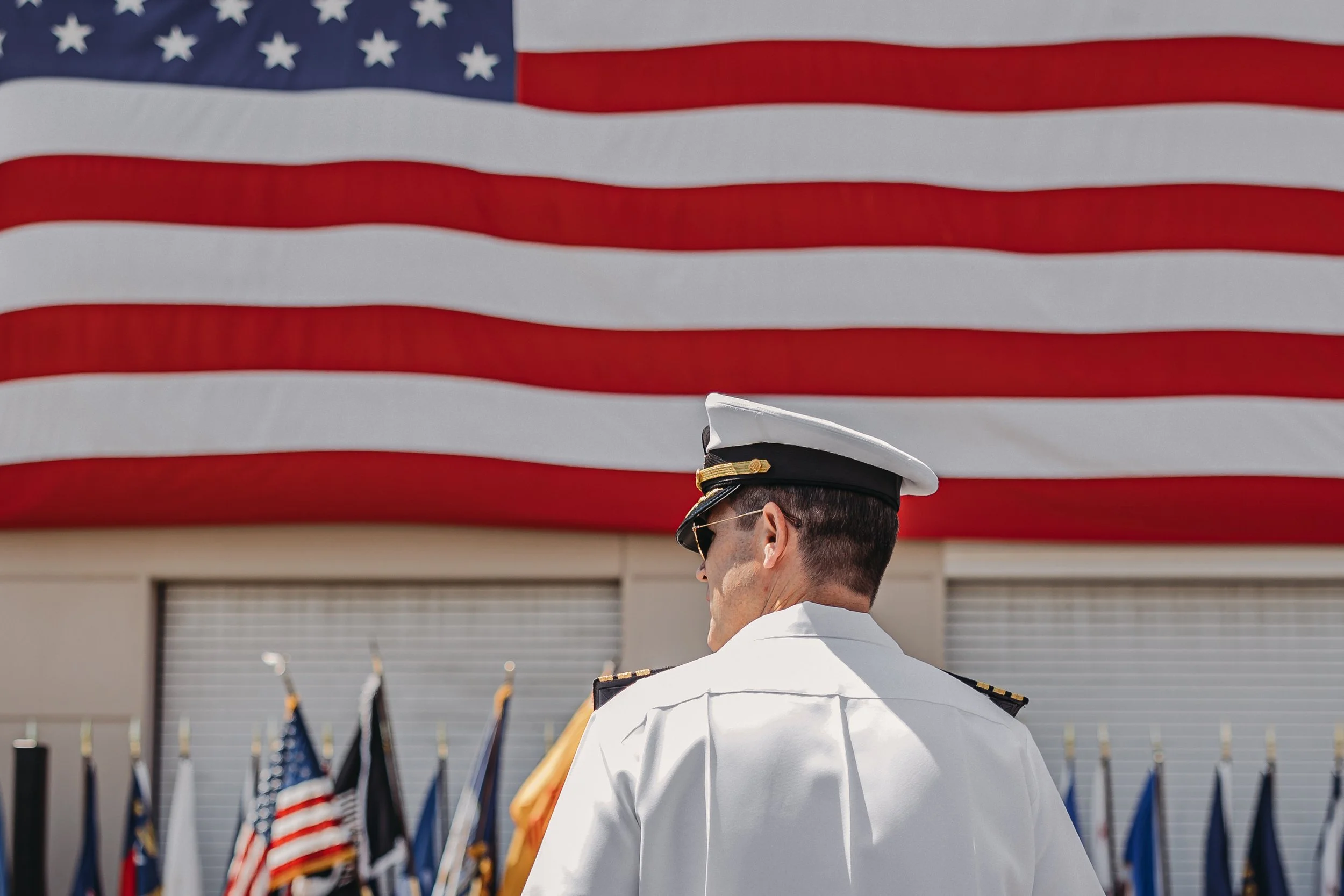
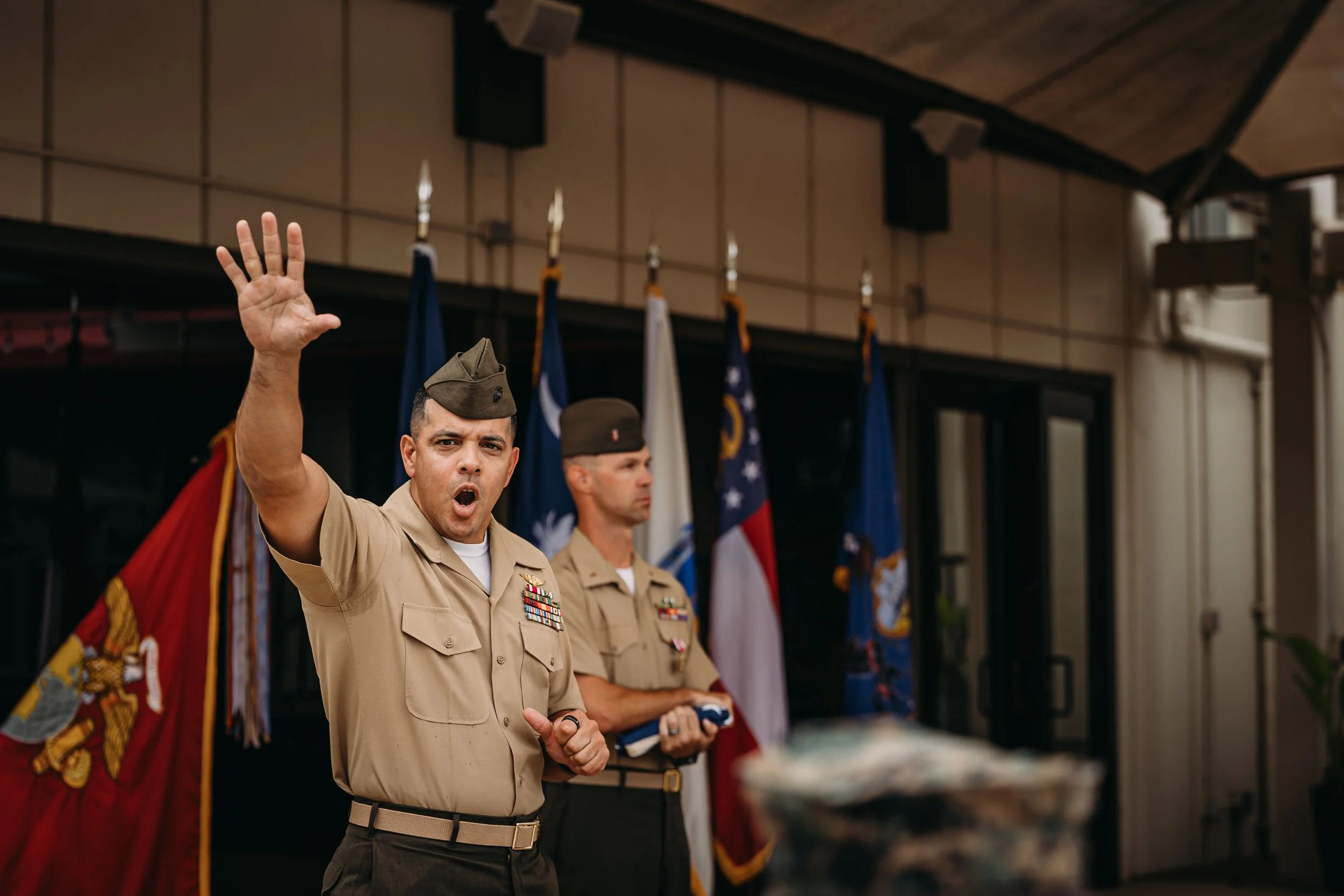
Parading of the colors during NSW Change of Command Ceremony June 2026
The Short Answer
In August 2021, Naval Special Warfare Command officially established Naval Special Warfare Group 8 (NSWG-8) while simultaneously disestablishing Naval Special Warfare Group 3 (NSWG-3) and Naval Special Warfare Group 10 (NSWG-10).
Rather than simply renaming the commands, the Navy reorganized specialized capabilities into a new structure designed for today's operational environment.
According to Naval Special Warfare Command, NSWG-8 was created to integrate advanced intelligence, communications, surveillance, reconnaissance, mission support, and undersea operational capabilities into a single organization capable of supporting future Naval Special Warfare missions.
Source: Naval Special Warfare Command, DVIDS
“NSWG-8 assumes responsibility for all operational units formerly assigned to NSWG-3 and NSWG-10 and will organize, man, train, educate, equip, support and deploy specialized capabilities to perform intelligence, surveillance, reconnaissance and preparation of the environment activities and to conduct Naval Special Warfare operations worldwide in support of the Fleet, Joint Force and other mission partners.”
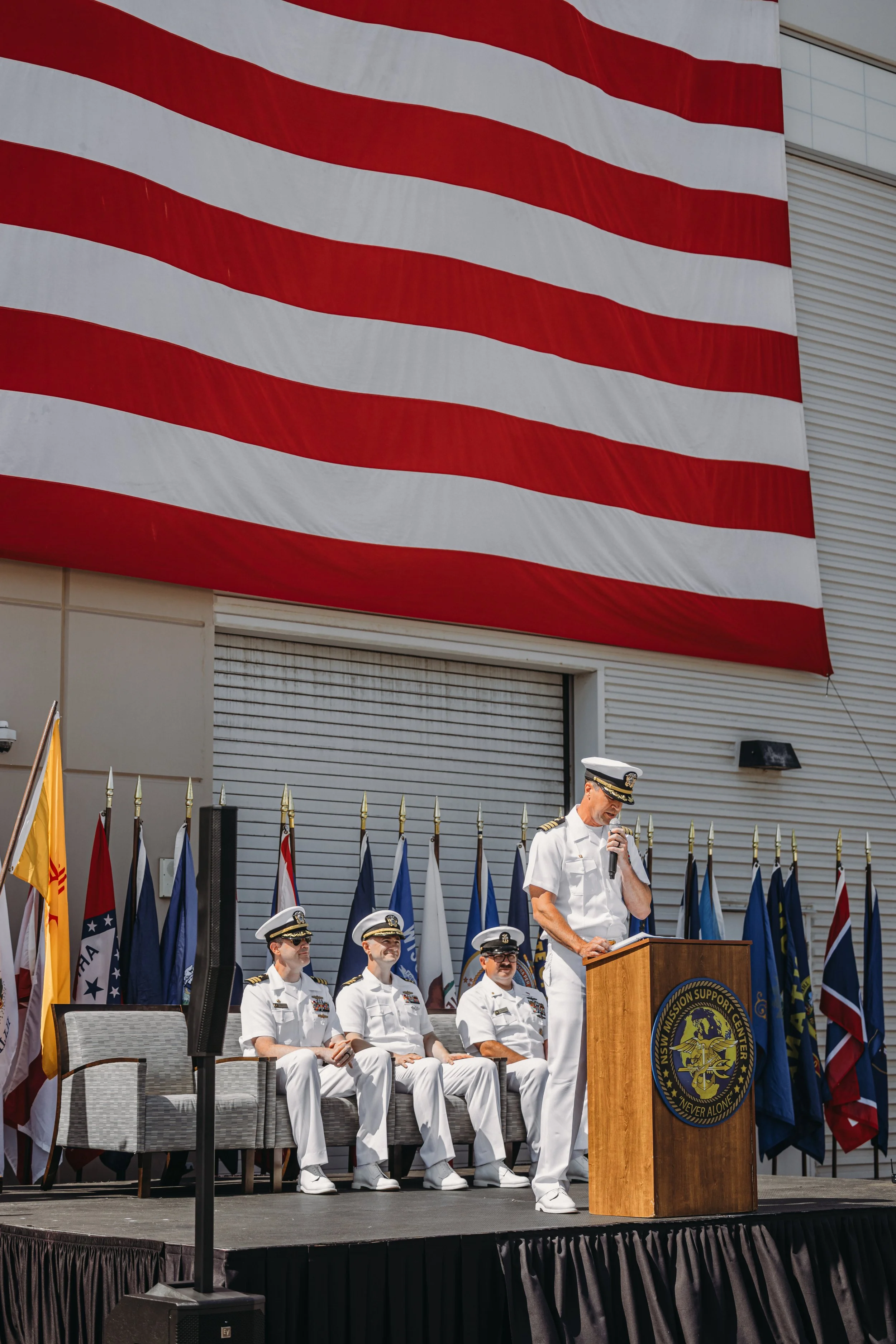
Captain Christopher Clay, U.S. Navy - Presiding officer
Deputy Commander, Naval Special Warfare Group 8
What Did Naval Special Warfare Group 3 (NSWG-3) do?
Group 3 was primarily responsible for Naval Special Warfare's undersea special operations capabilities.
Its units specialized in missions involving:
SEAL Delivery Vehicles (SDVs)
Underwater insertion and extraction
Maritime special operations
Covert movement beneath the surface
Specialized diving operations
If you've ever seen images of SEALs launching from submarines or operating specialized underwater vehicles, those capabilities largely fell under Group 3.
Their focus was simple:
Help operators reach places few others could.
Source: Naval Special Warfare Group 3 Overview
“October 1, 2004, subsurface and surface craft responsibilities were split. Commander, Naval Special Warfare Group (CNSWG) THREE (CNSWG–3) was designated the immediate superior in command of both SEAL delivery vehicle teams (consolidated into one team, SDVT–1, in 2008) and CNSWG–4 was designated the immediate superior in command of the three SBTs.”
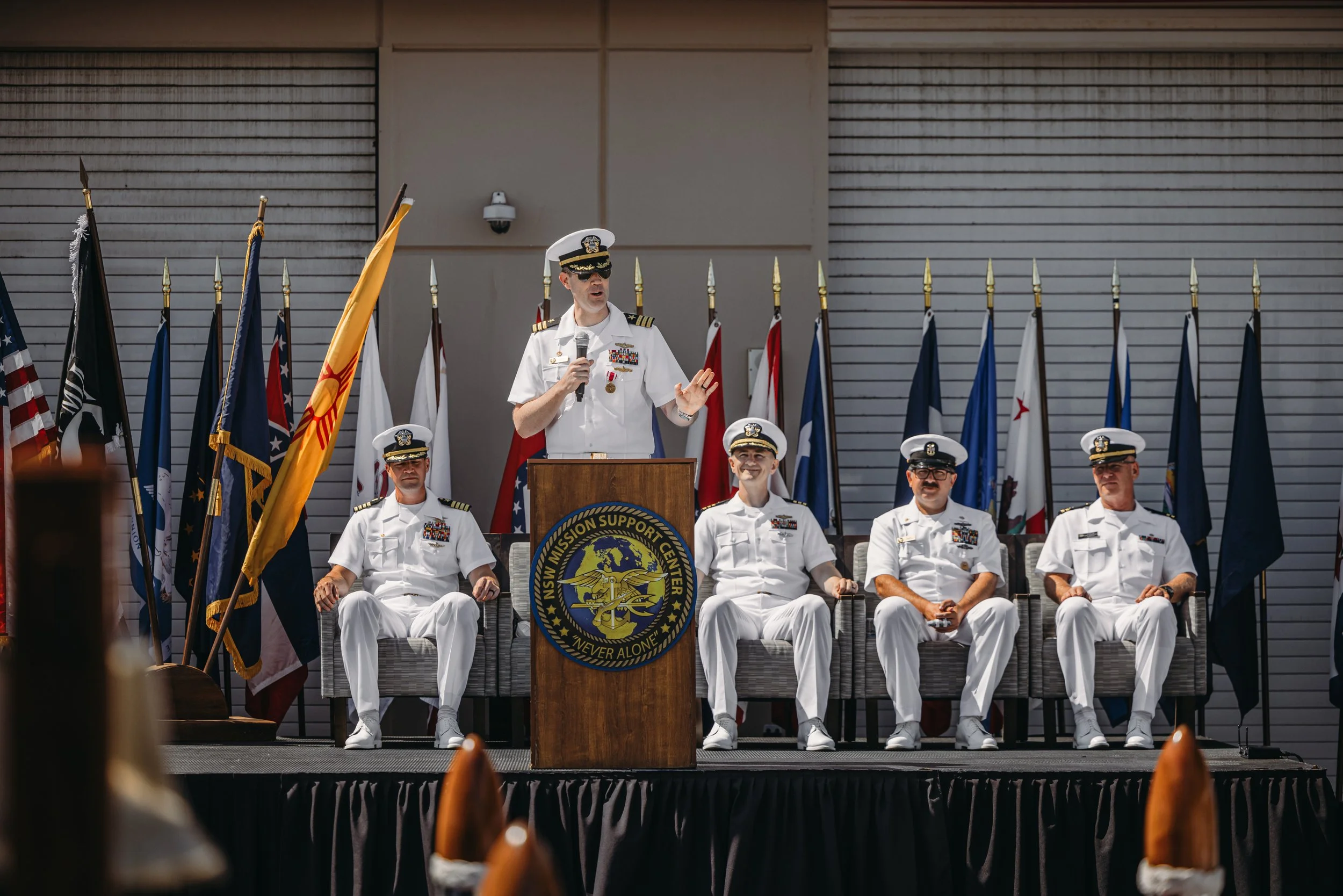
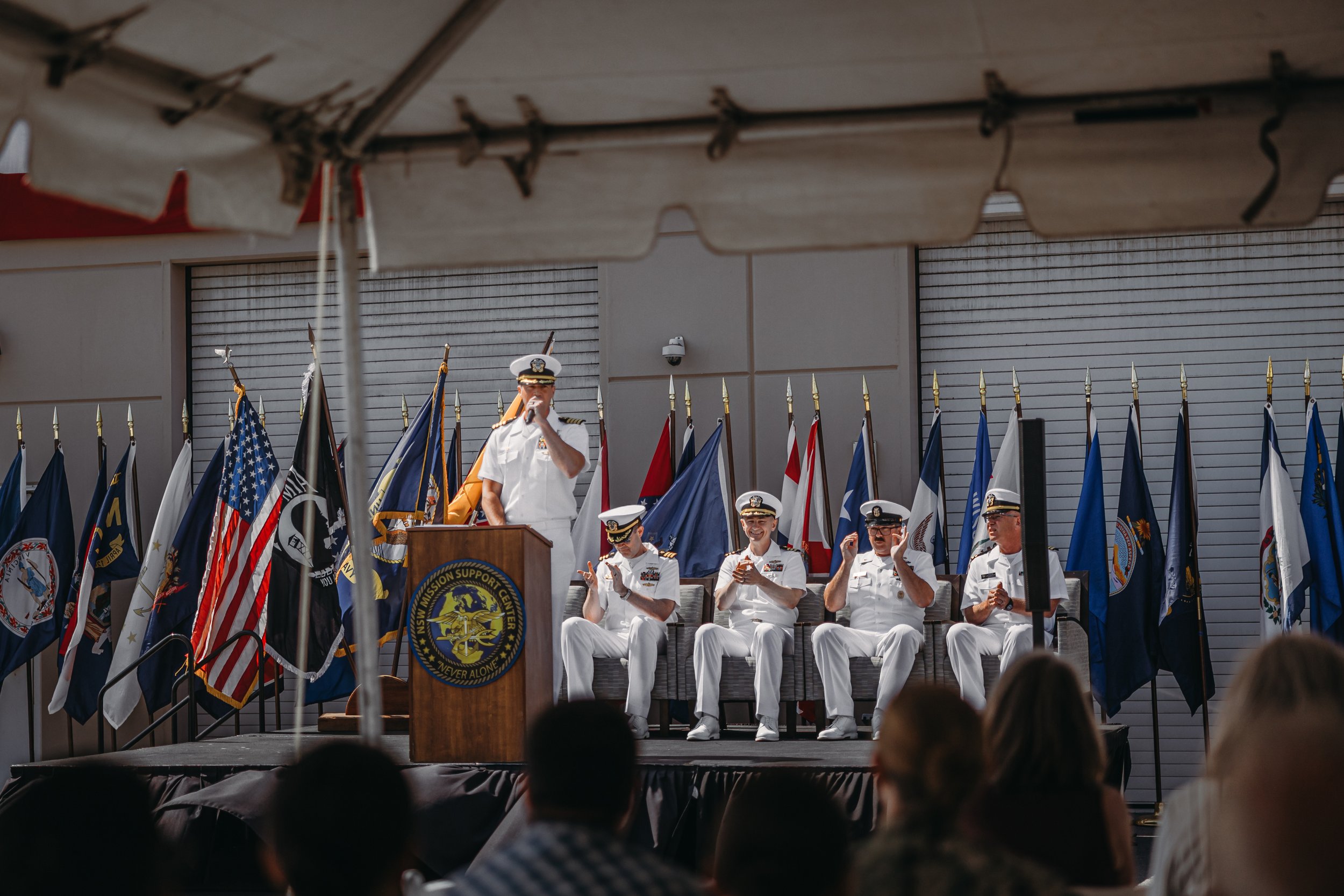
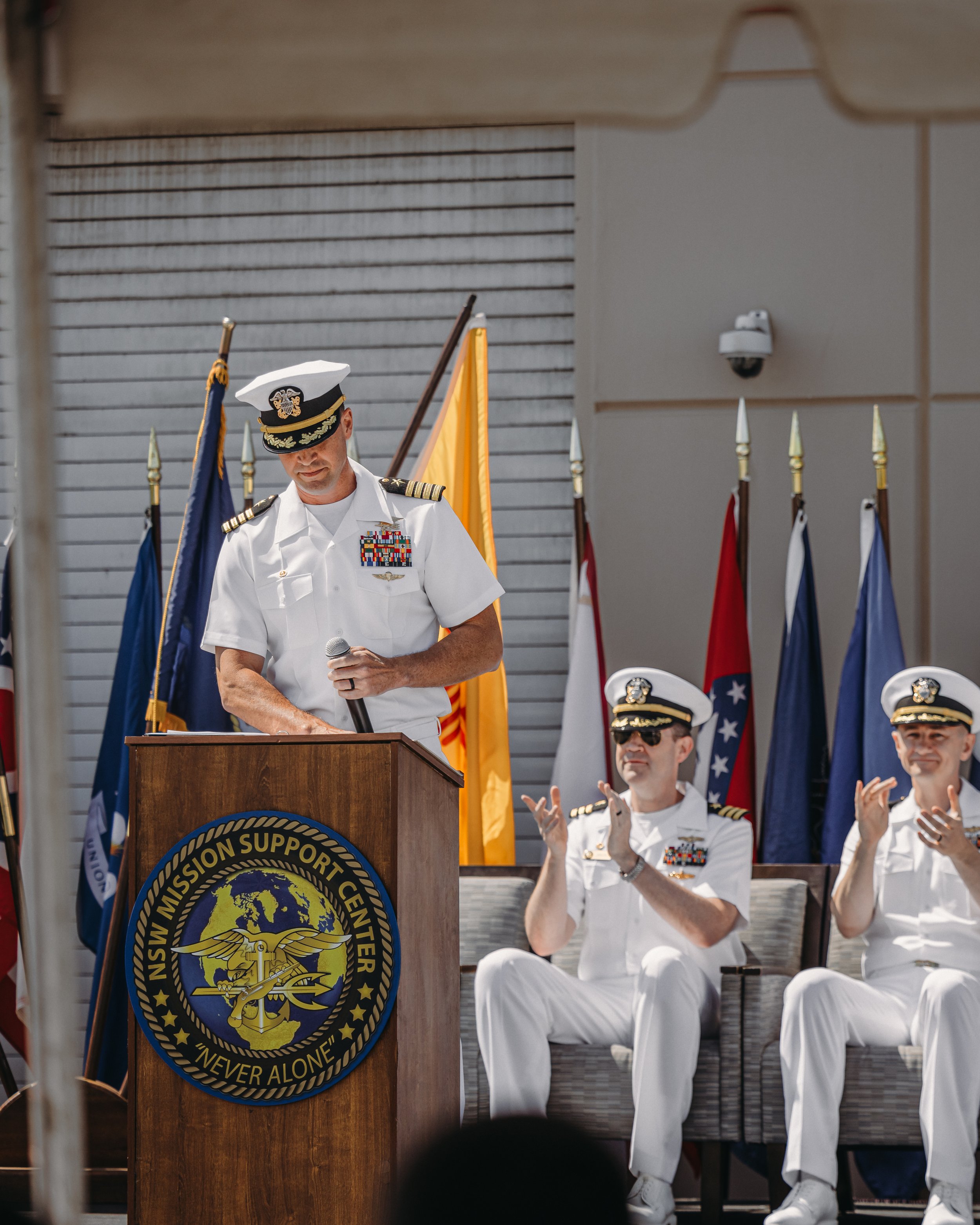
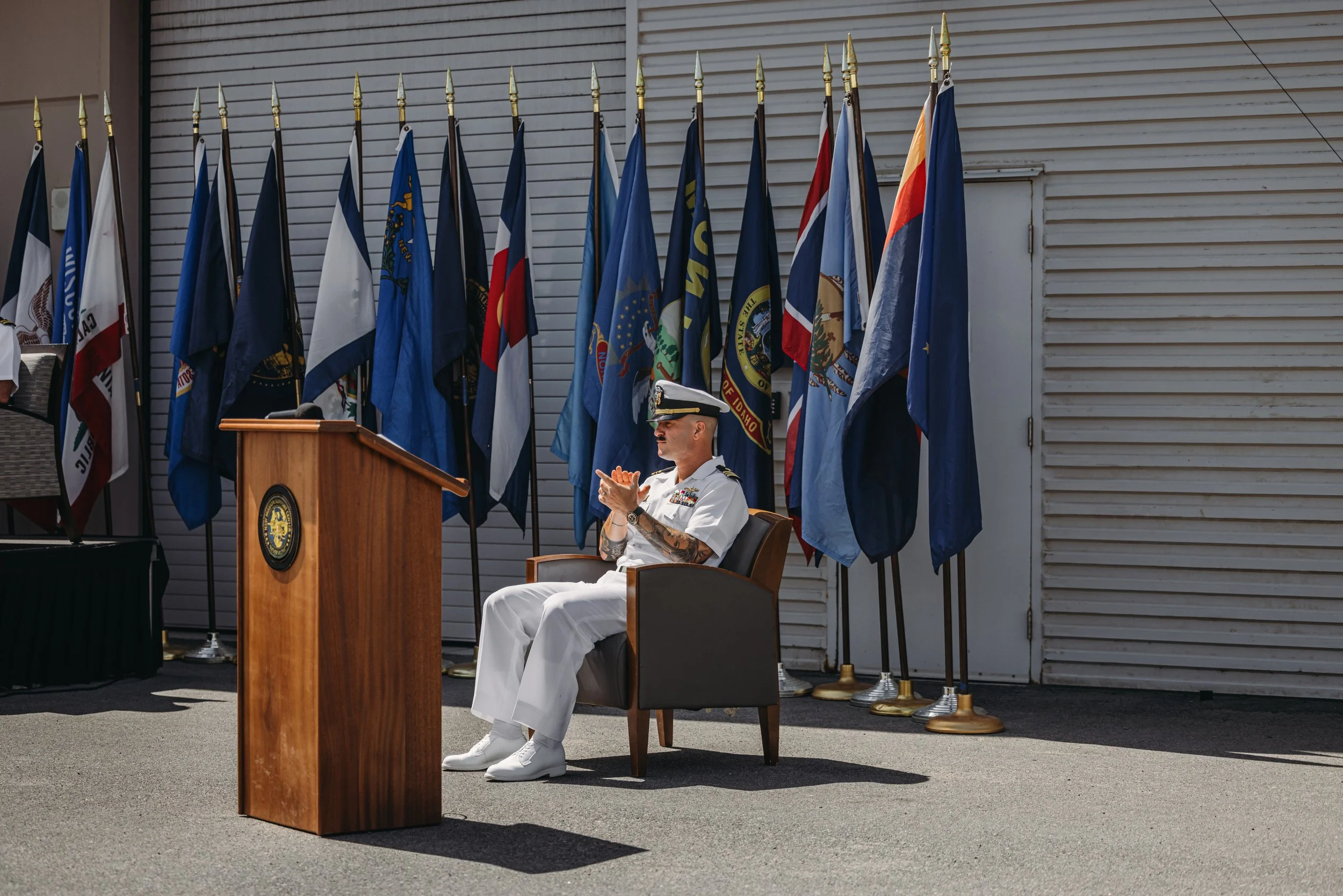
Commander Edward R. Kellum, U.S. Navy Outbound CO of NSW MSC
What Did Naval Special Warfare Group 10 (NSWG-10) do?
While Group 3 focused on getting operators to the mission, Group 10 focused on everything that happens before the mission begins.
Their responsibilities included:
Intelligence
Information Warfare
Communications
Surveillance
Reconnaissance
Mission Planning
Preparation of the Operational Environment
These sailors and civilians often worked quietly behind the scenes, ensuring operators had the information, technology, and situational awareness needed before stepping onto an aircraft, submarine, or boat.
Most people never see this side of Naval Special Warfare, yet it is essential to every successful operation.
Source:
“NSWG–10 was commissioned May 25, 2011 to consolidate command of the support activities. NSWG–10 also took command of the NSW mission support center (MSC) and the NSW cultural engagement unit (CEU). The MSC provides a central reachback capability for time-sensitive intelligence analysis to support forward-deployed NSW forces and also serves as a repository of intelligence information for mission planning. The CEU deploys native-born and female enablers to support forward-deployed NSW forces.”
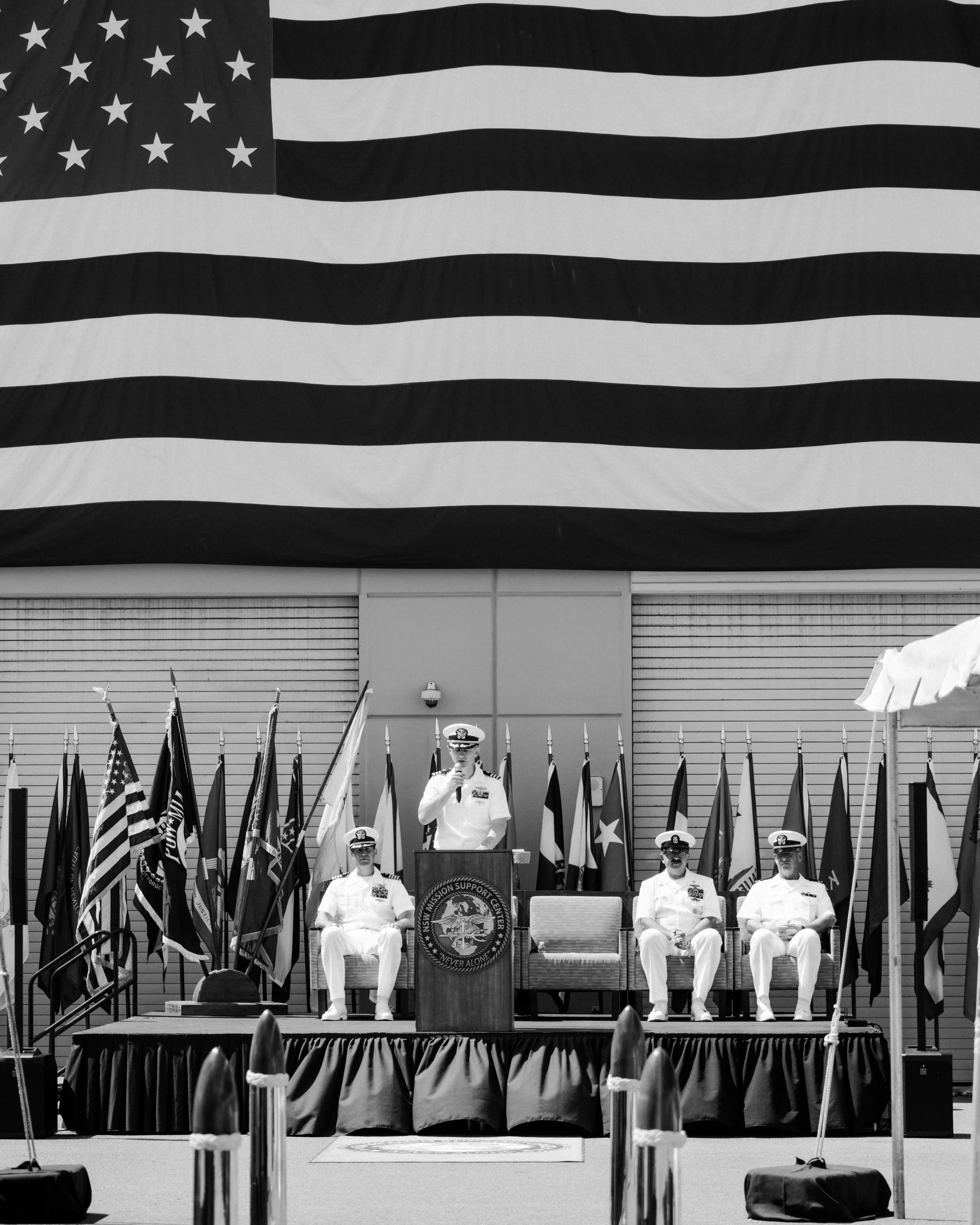
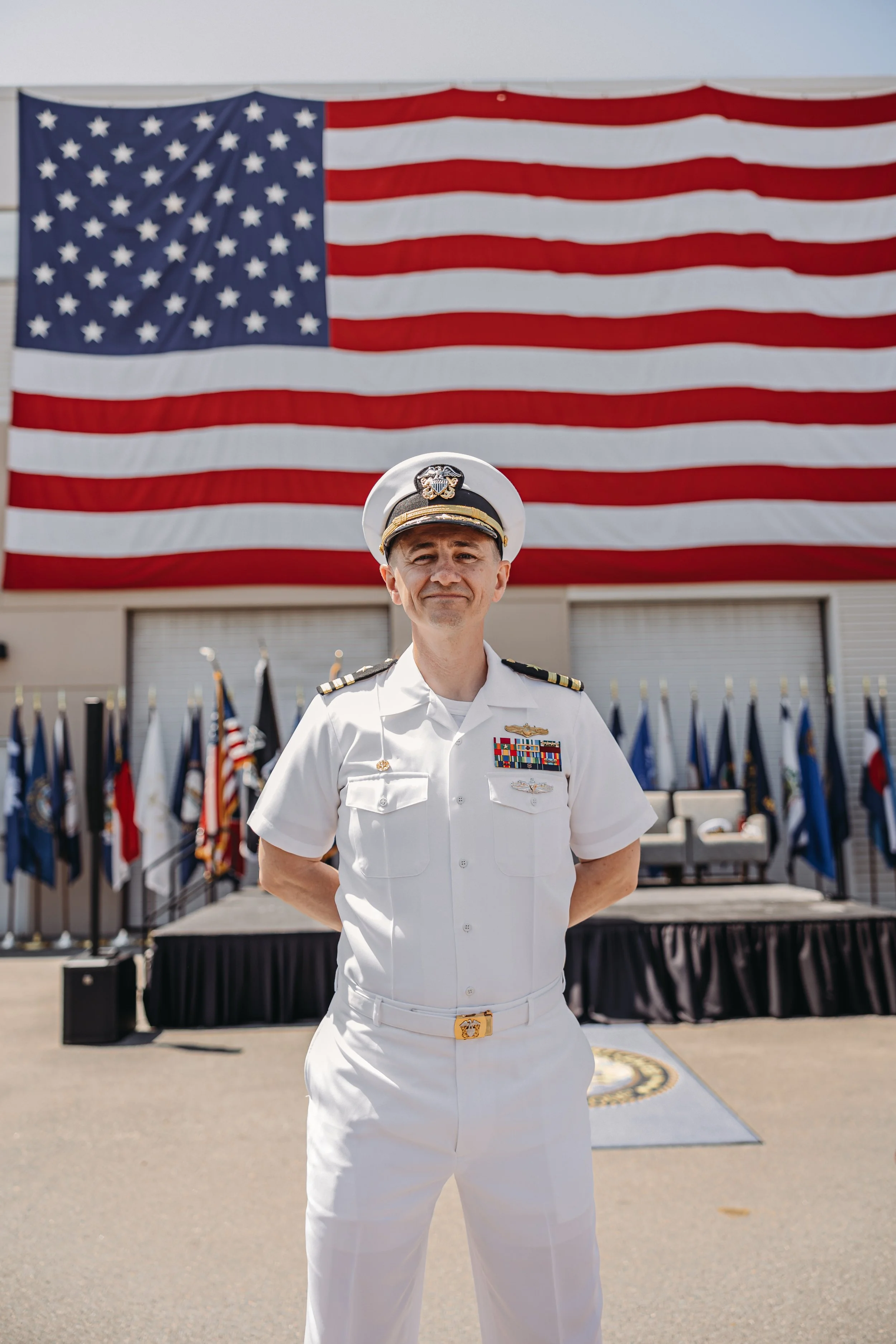
Commander John A. Bardenhagen III, U.S. Navy, Incoming Commanding Officer of Naval Special Warfare Mission Support Center (NSW MSC)
Why Were Groups 3 and 10 Combined?
Military organizations evolve because the world changes.
For nearly two decades following September 11, 2001, Naval Special Warfare focused heavily on counterterrorism operations supporting conflicts in Iraq, Afghanistan, and other regions.
As national defense priorities shifted toward what the Department of Defense calls Great Power Competition, military leaders recognized that future conflicts would demand even closer integration between intelligence, communications, cyber capabilities, surveillance, and maritime special operations.
Rather than keeping those specialties in separate commands, Naval Special Warfare combined many of them under one organization.
When announcing the change, the Navy stated that NSWG-8 would increase maritime capacity while combining undersea operational capabilities with advanced intelligence and communications capabilities.
In other words, modern missions require operators, intelligence specialists, communications experts, and planners to function as one team long before a mission ever begins.
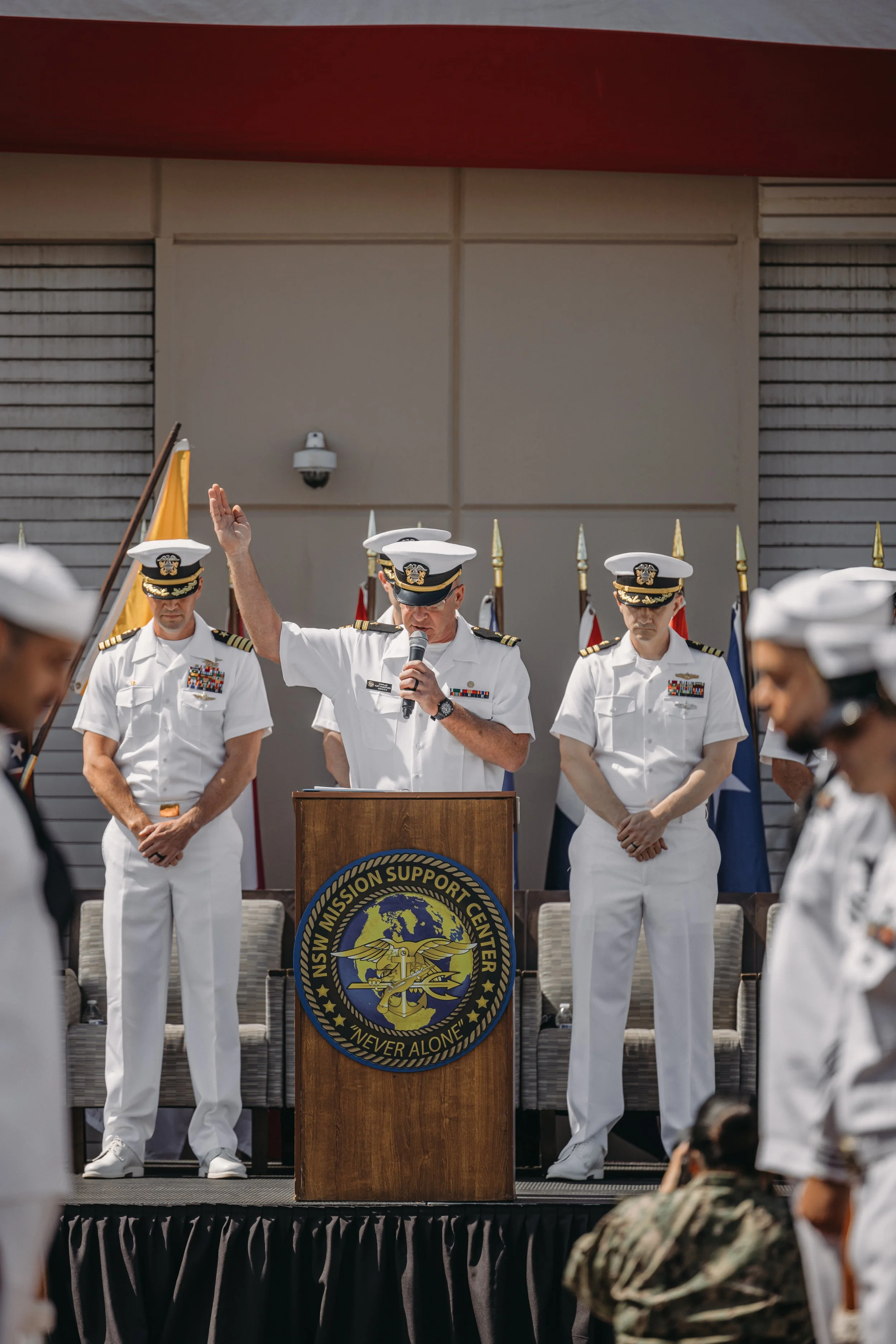
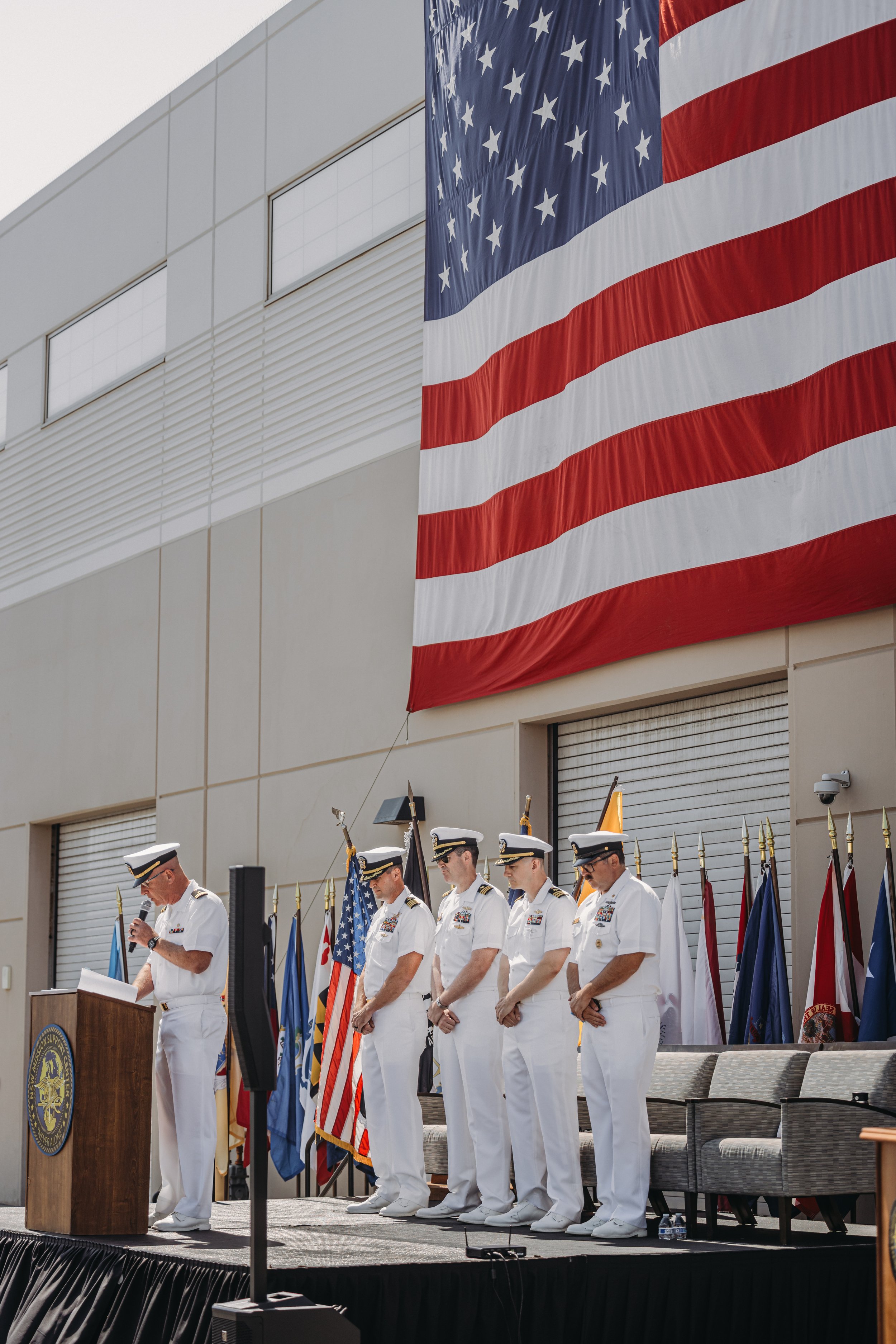
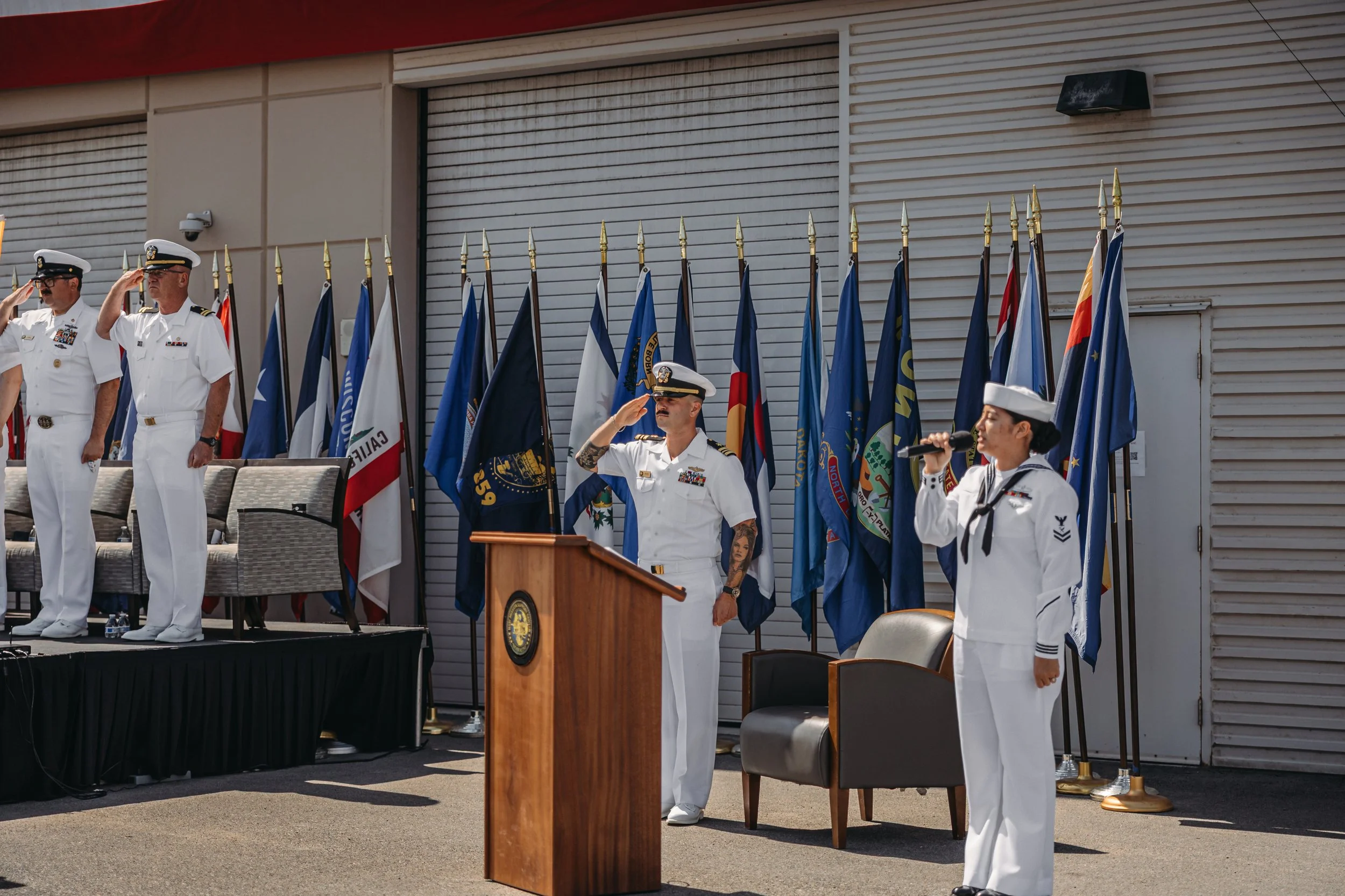
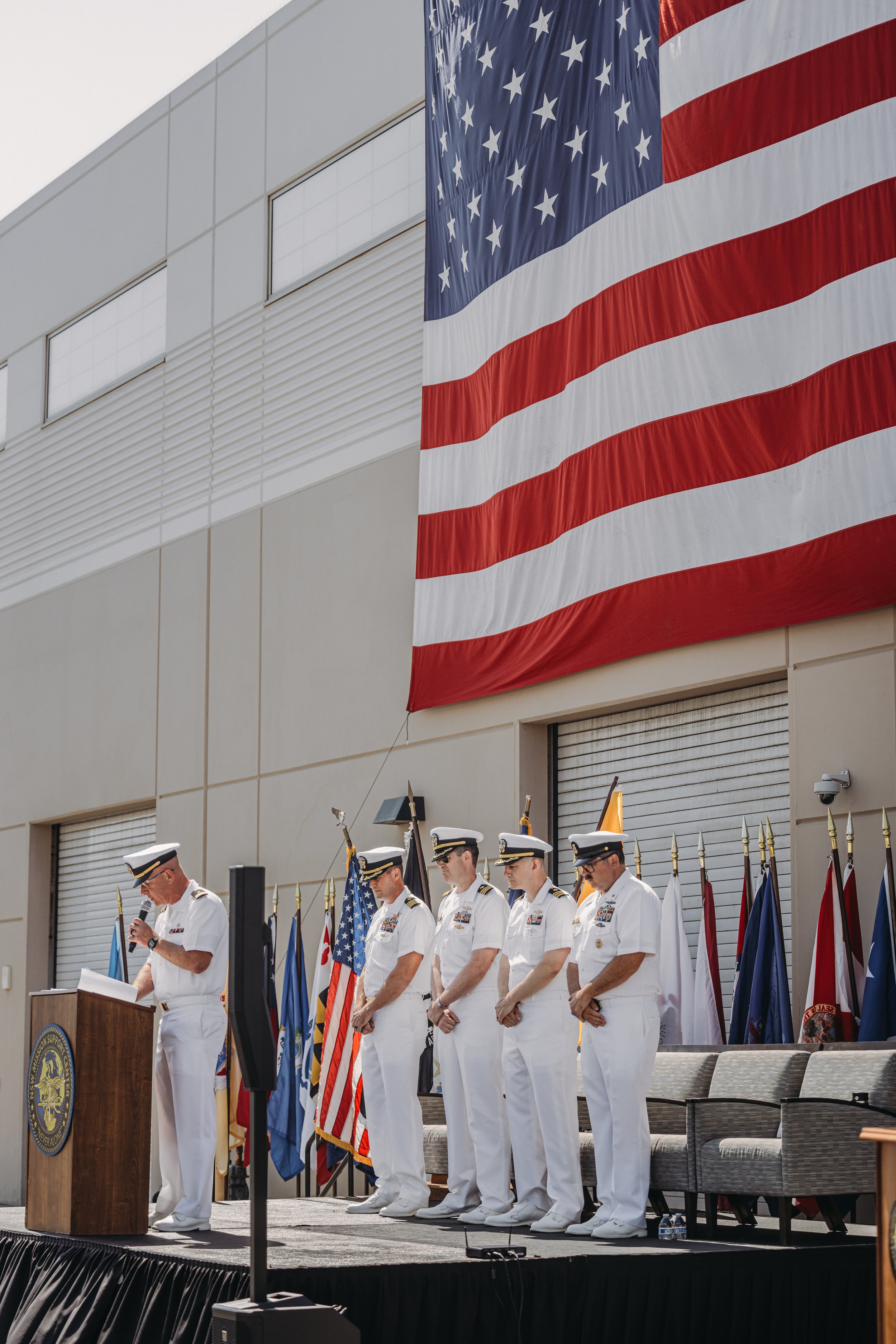
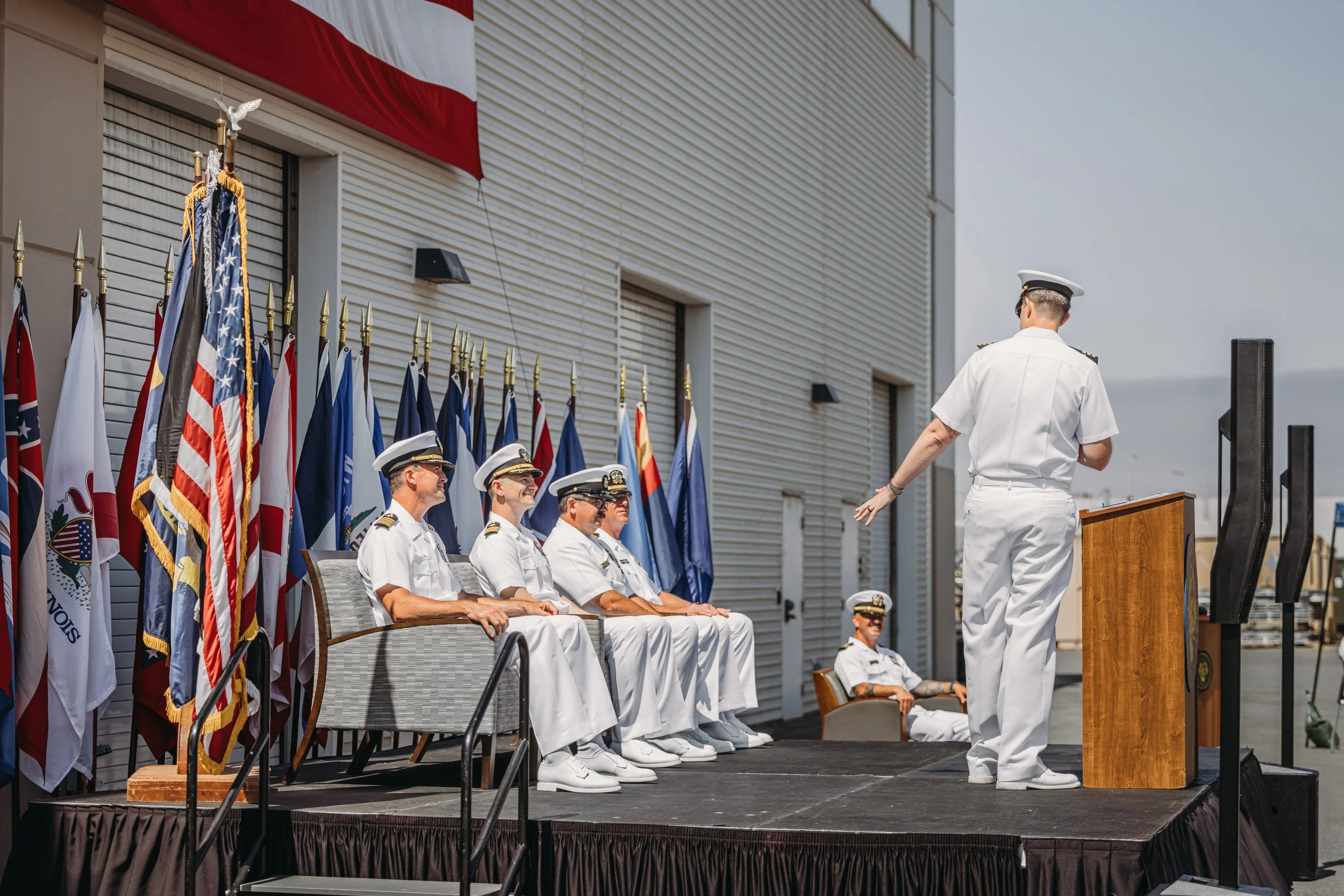
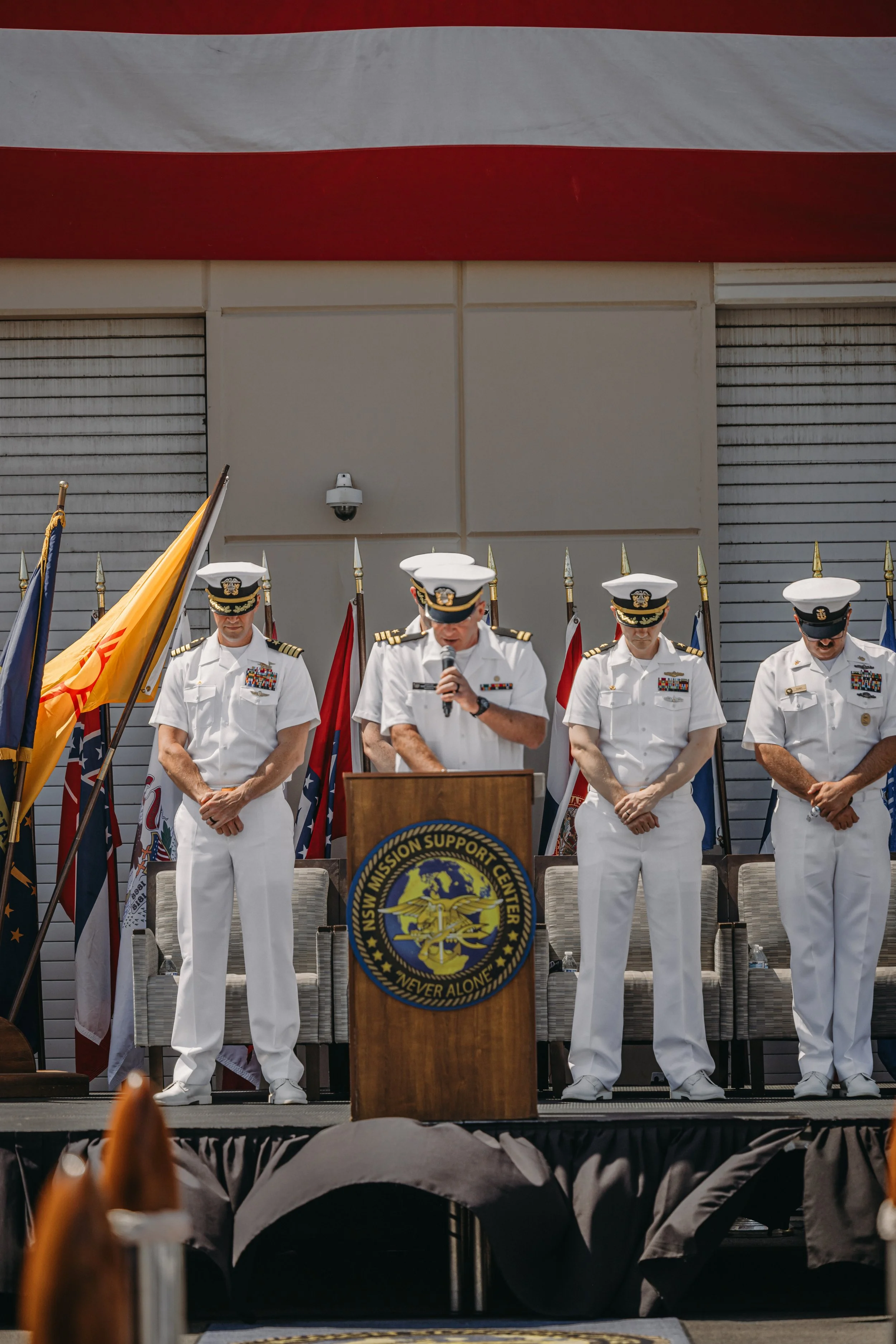
Chaplain: Lieutenant Kurt Hagestuen, CHC, USN giving invocation
Where Does Mission Support Center Fit Into All of This?
One of the commands within NSW Group 8 is Naval Special Warfare Mission Support Center (NSW MSC).
Mission Support Center provides capabilities including:
Intelligence
Surveillance
Reconnaissance
Communications
Mission Planning
Operational Support
Preparation of the Operational Environment
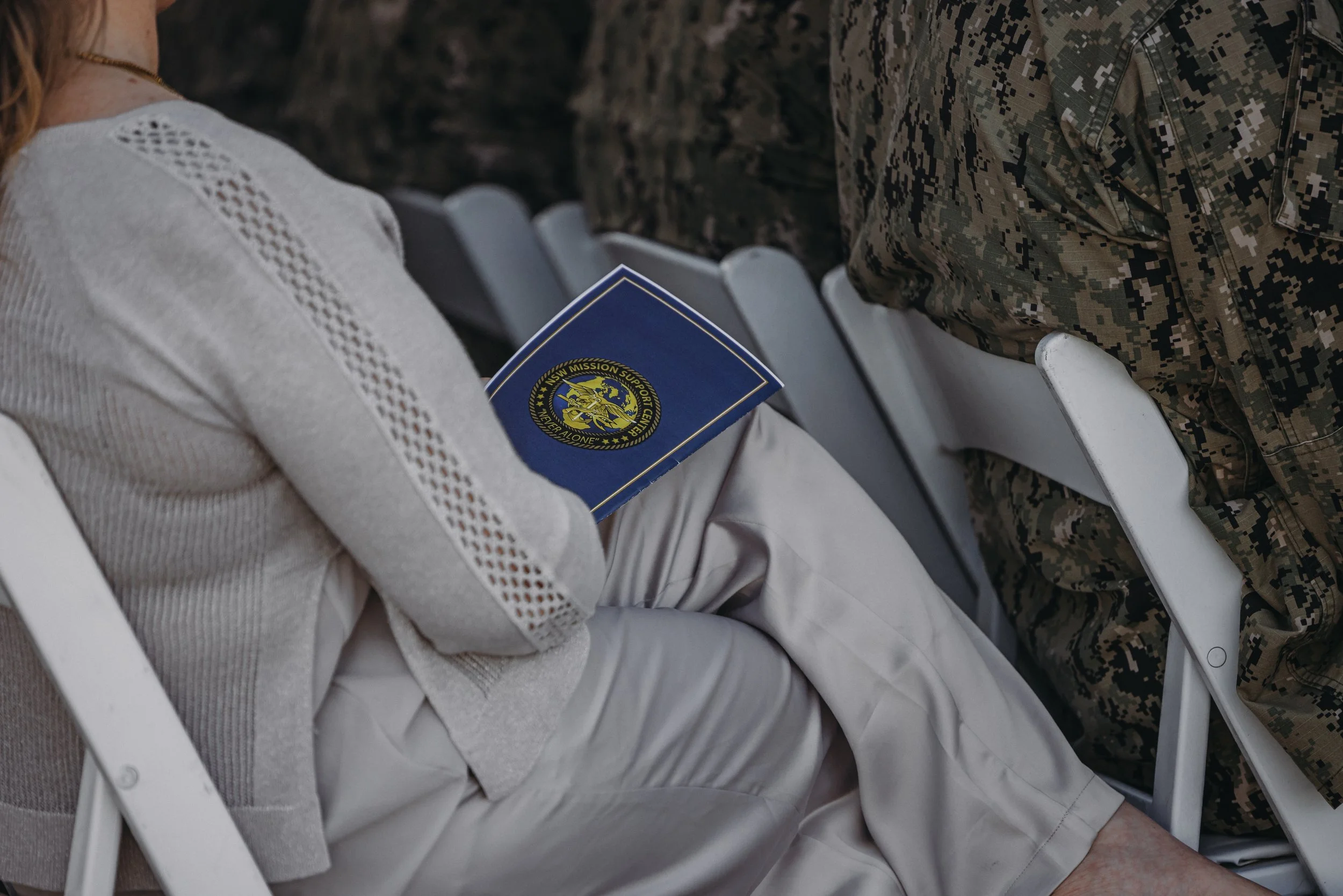
While photographing the ceremony, one phrase in the program immediately stood out to me:
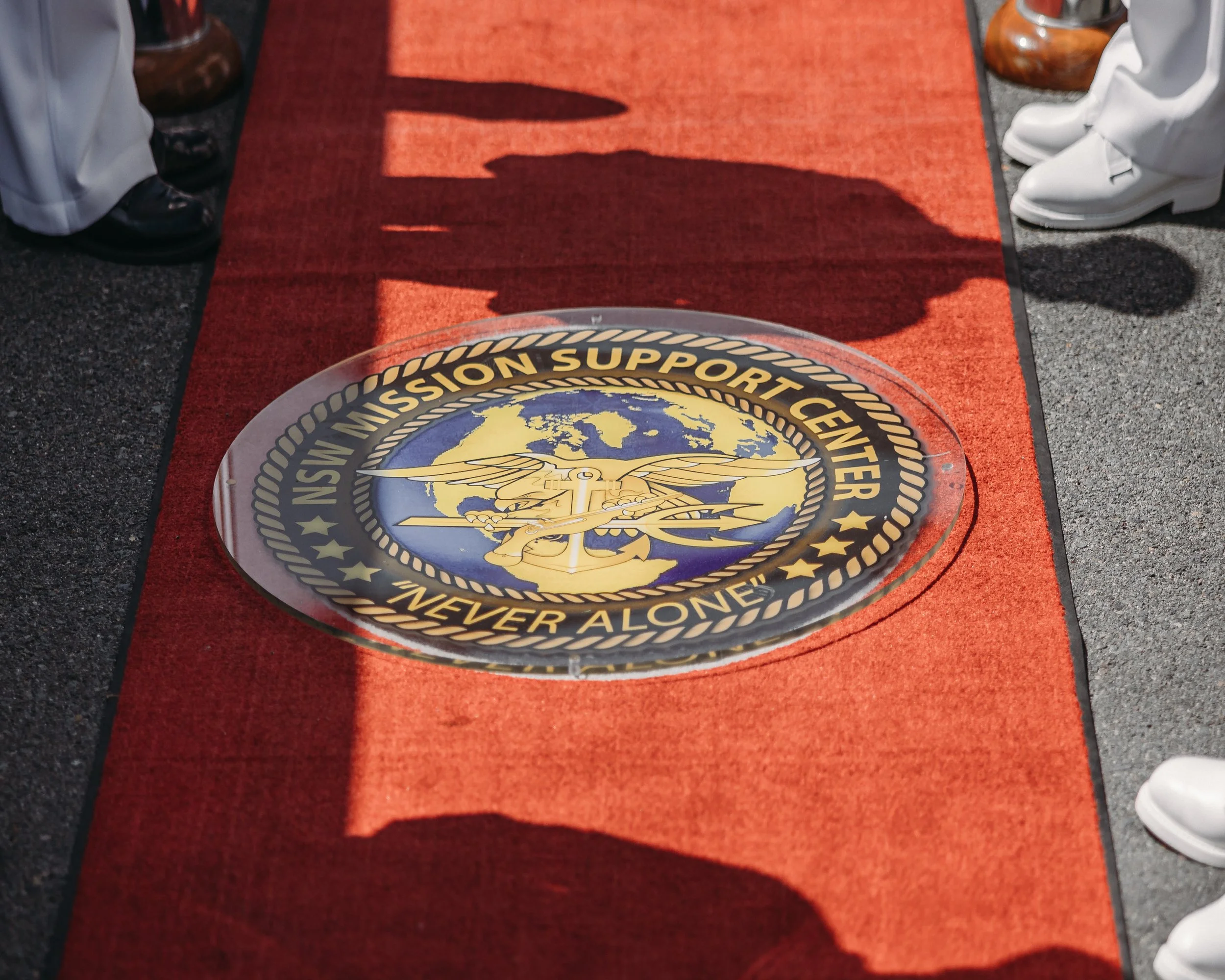
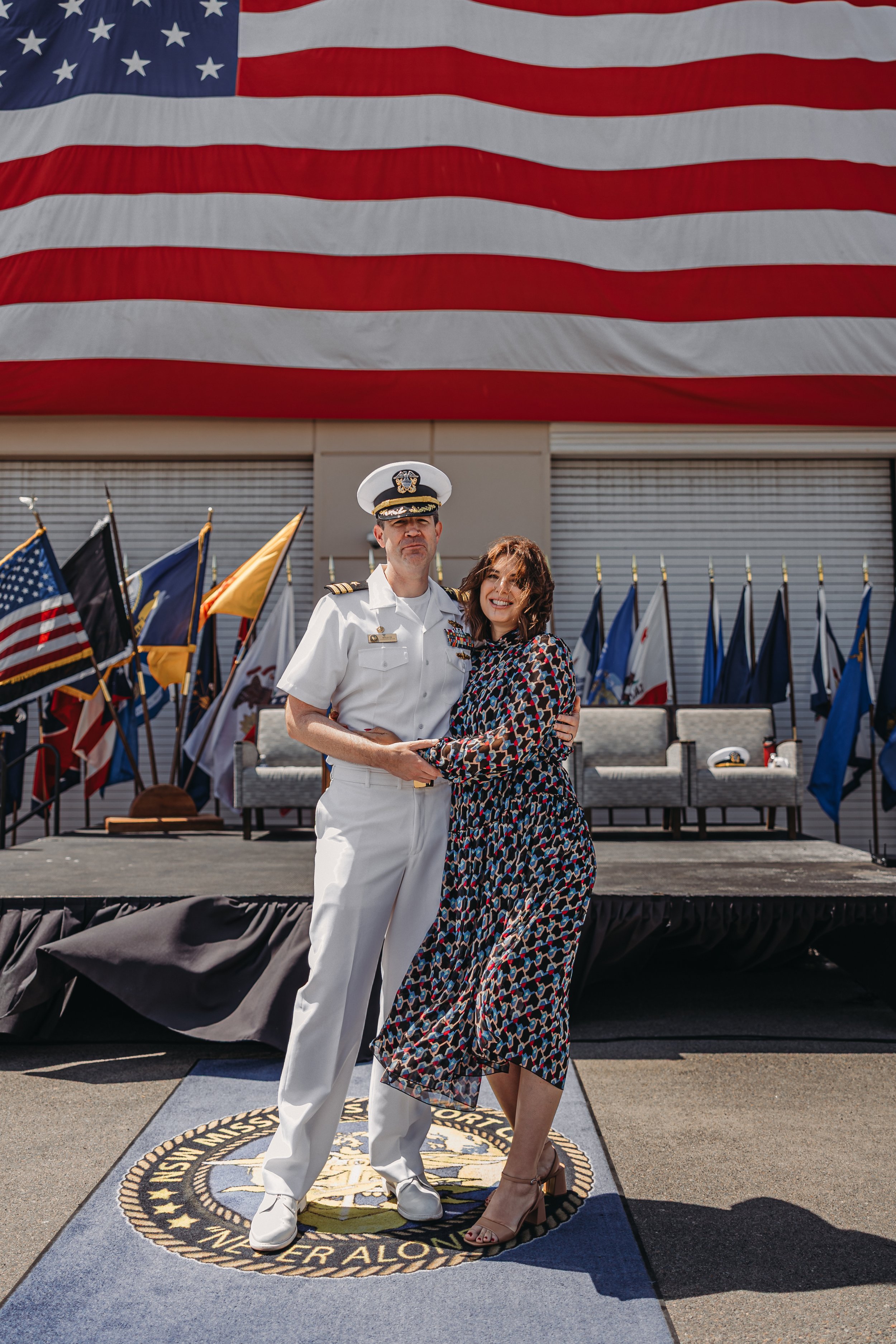
"We Are NSW MSC. NSW Is Never Alone."
The more I researched the command afterward, the more meaningful that statement became.
When most people think about Naval Special Warfare, they picture the operators carrying out missions.
What they don't always see are the planners, analysts, intelligence professionals, communications specialists, and countless support personnel working behind the scenes.
Mission Support Center exists because successful missions are never accomplished by one person alone.
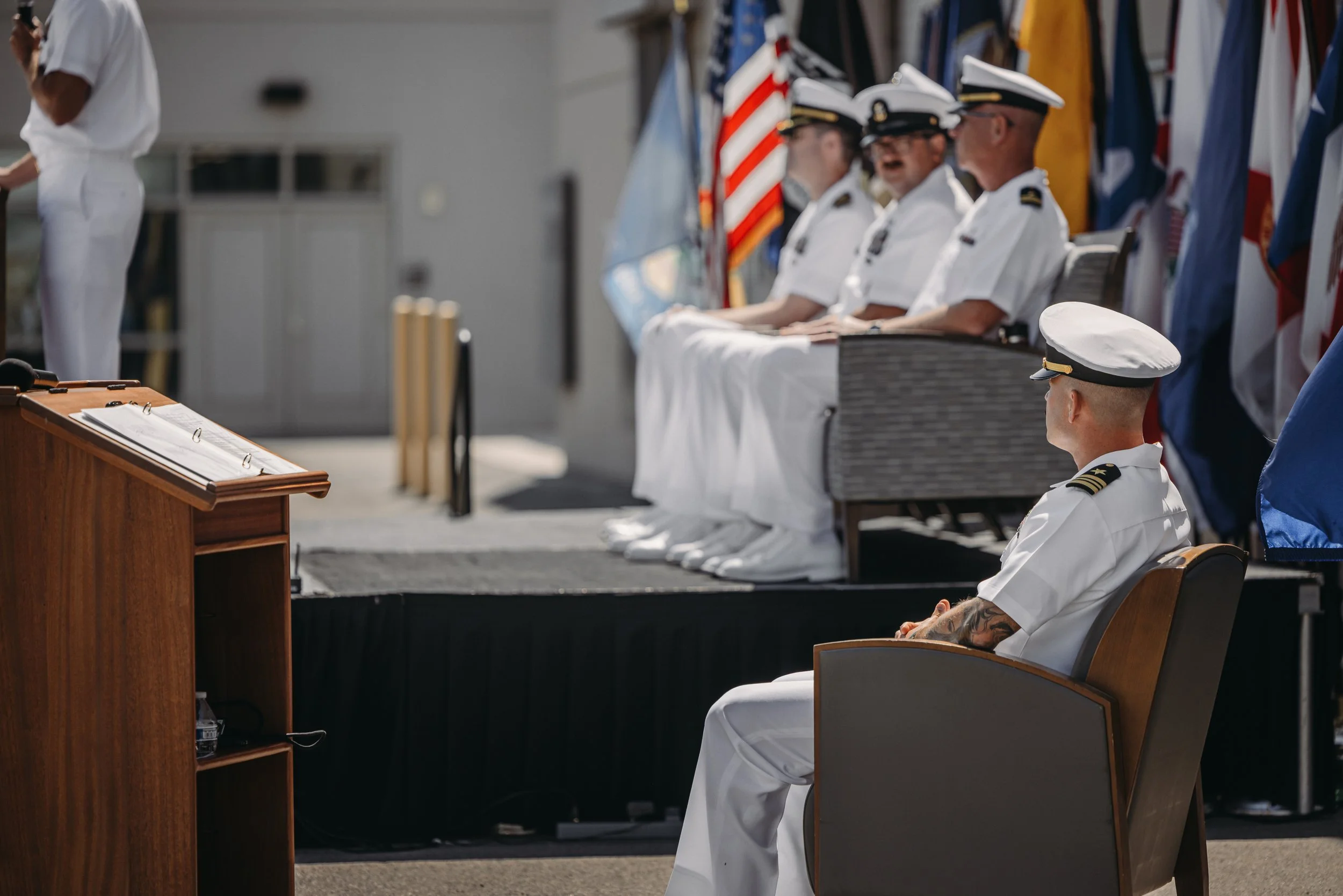
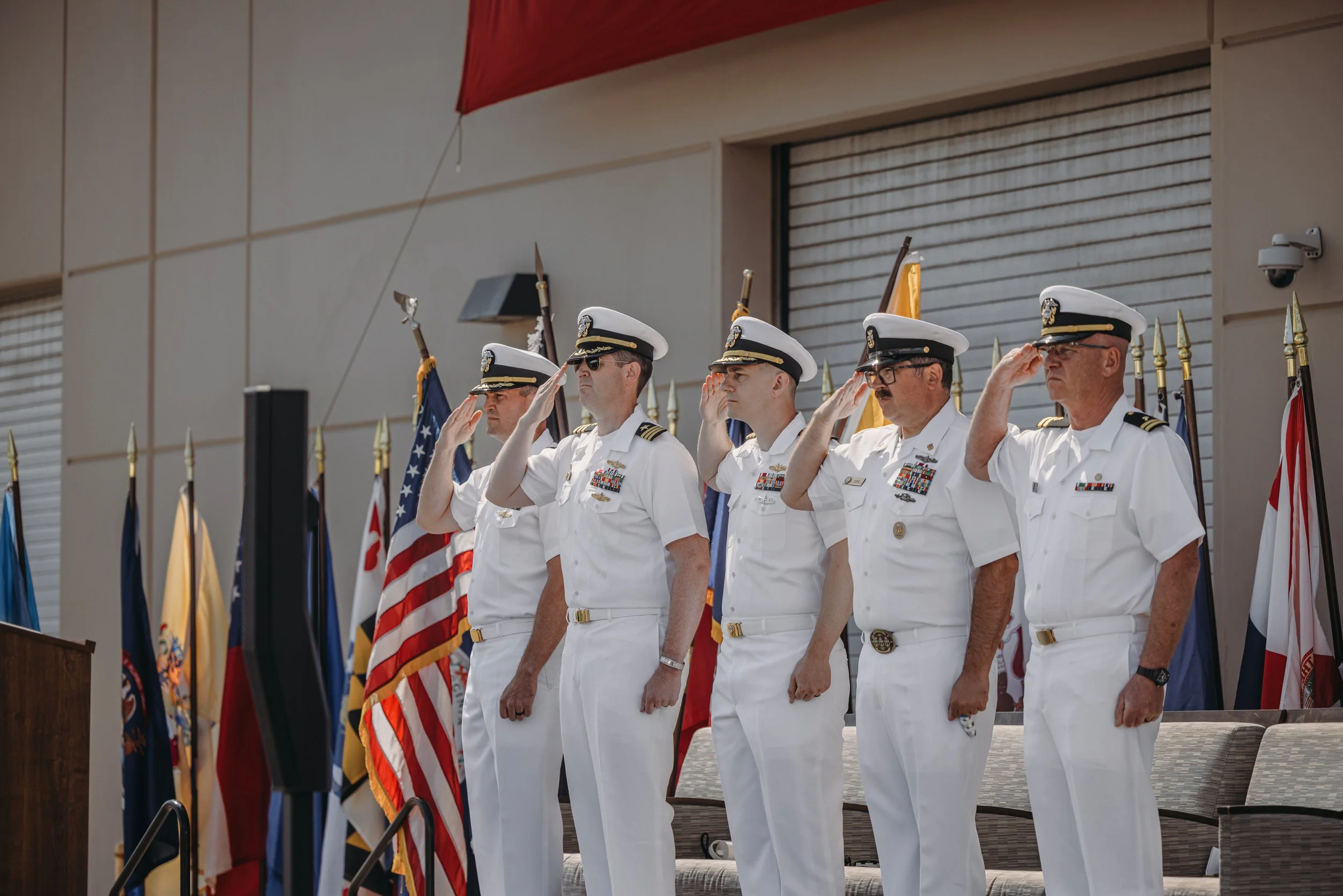
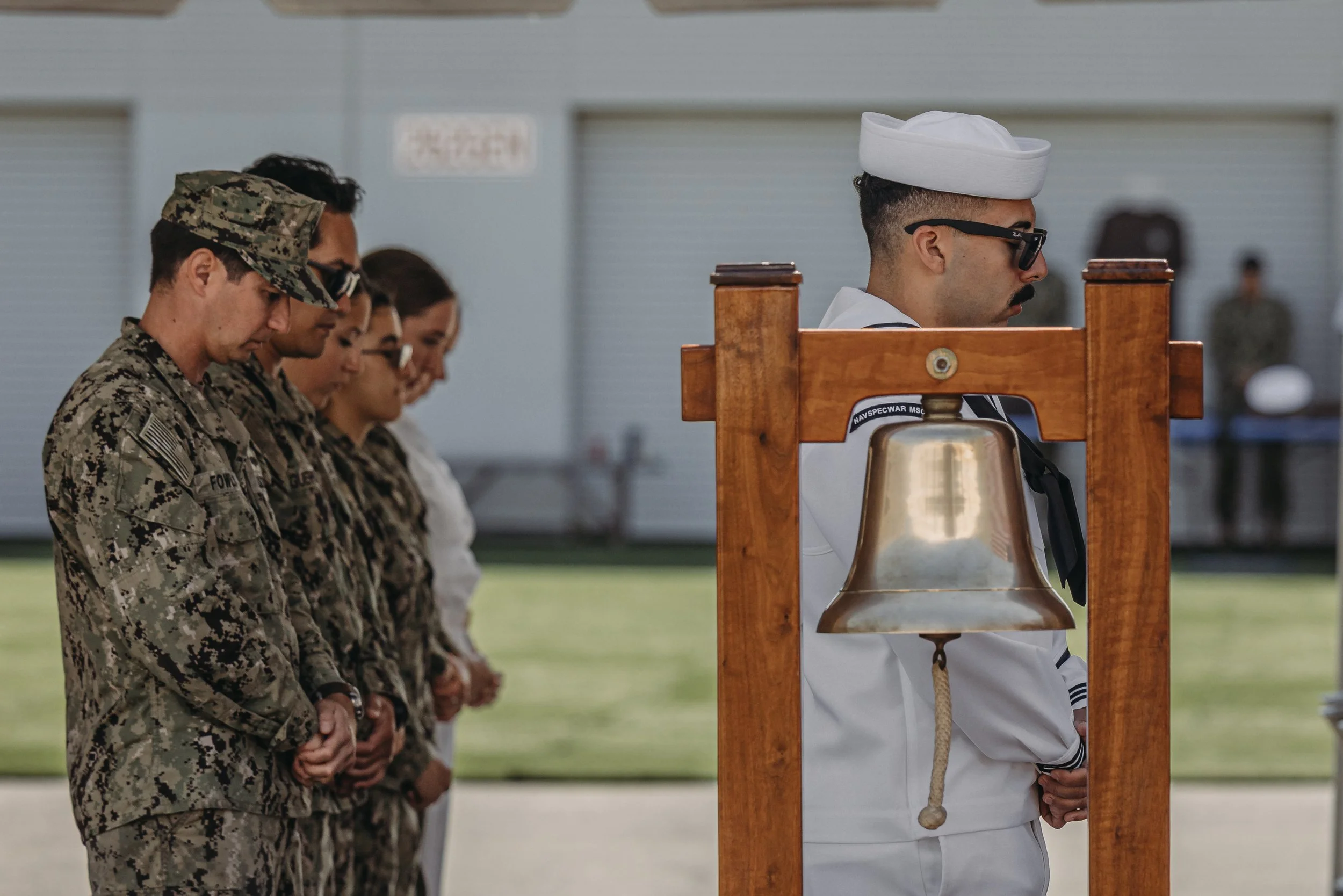
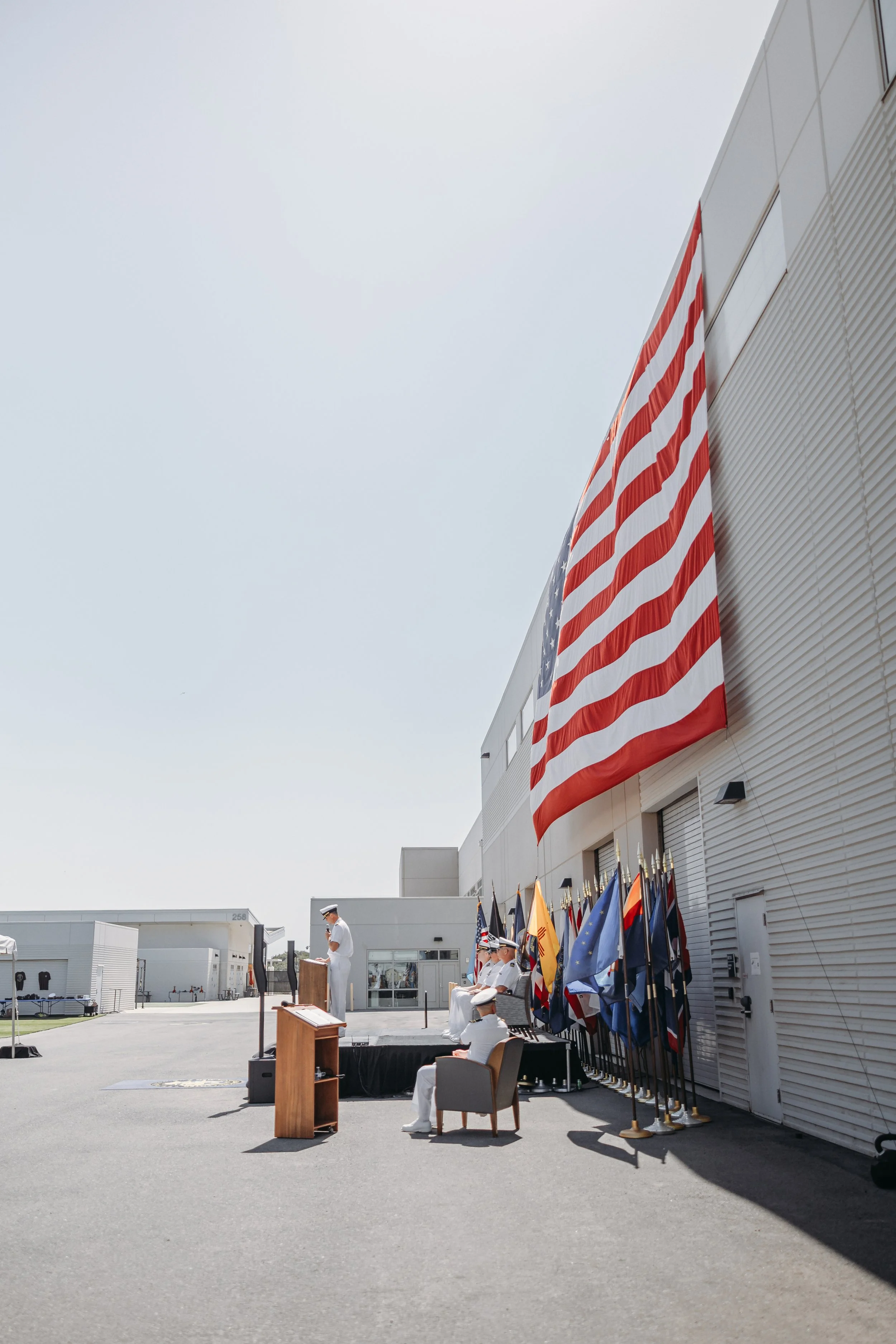
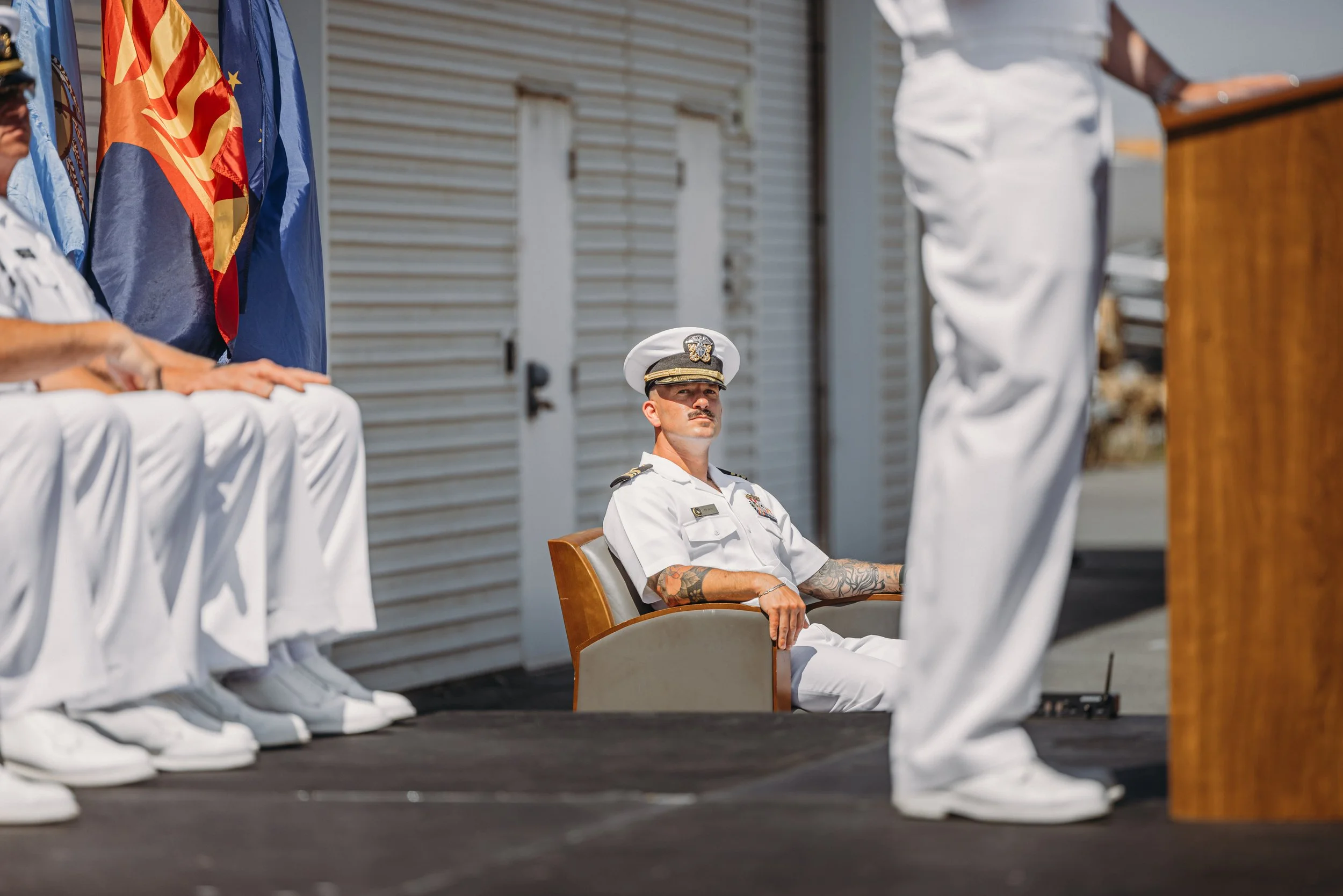
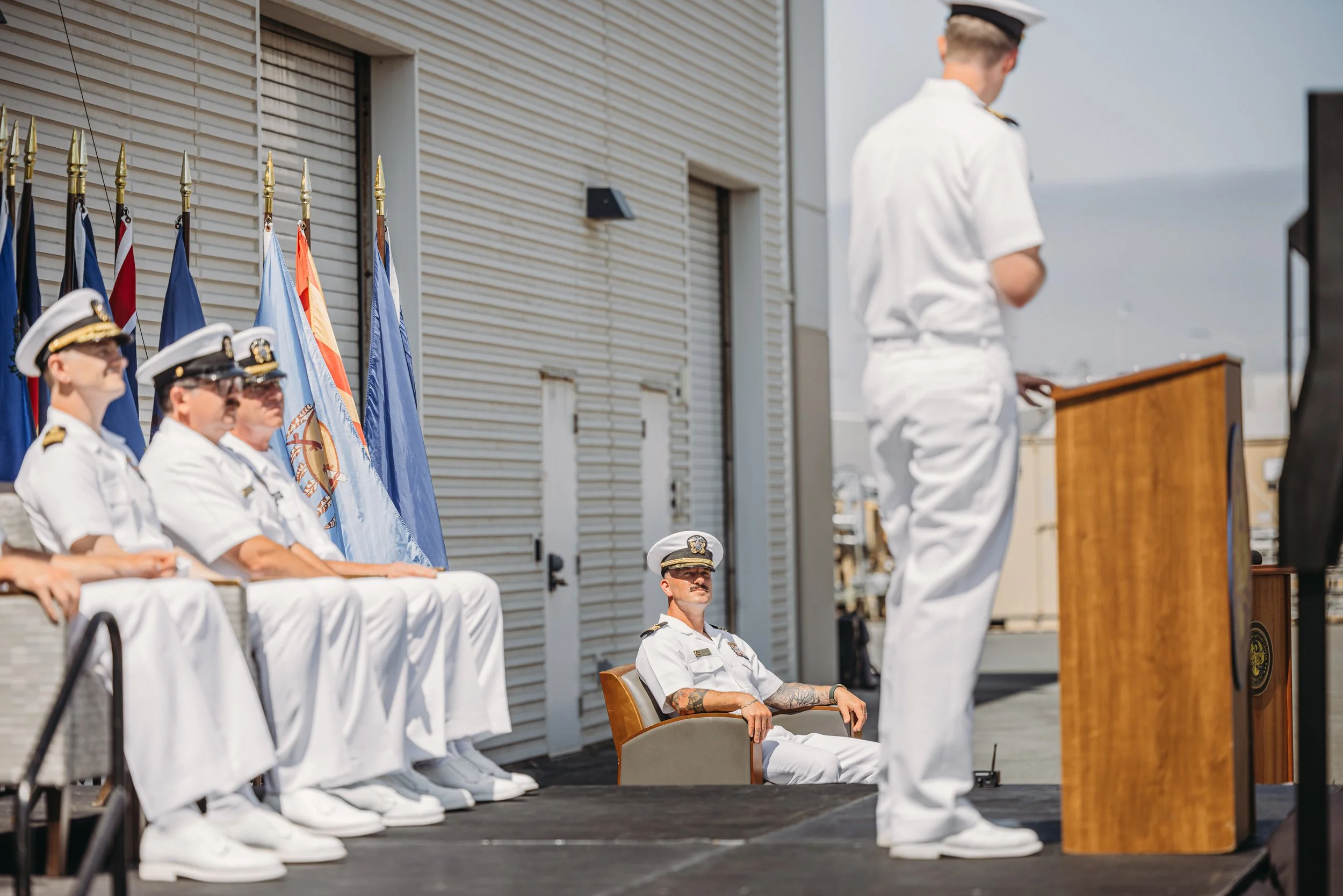
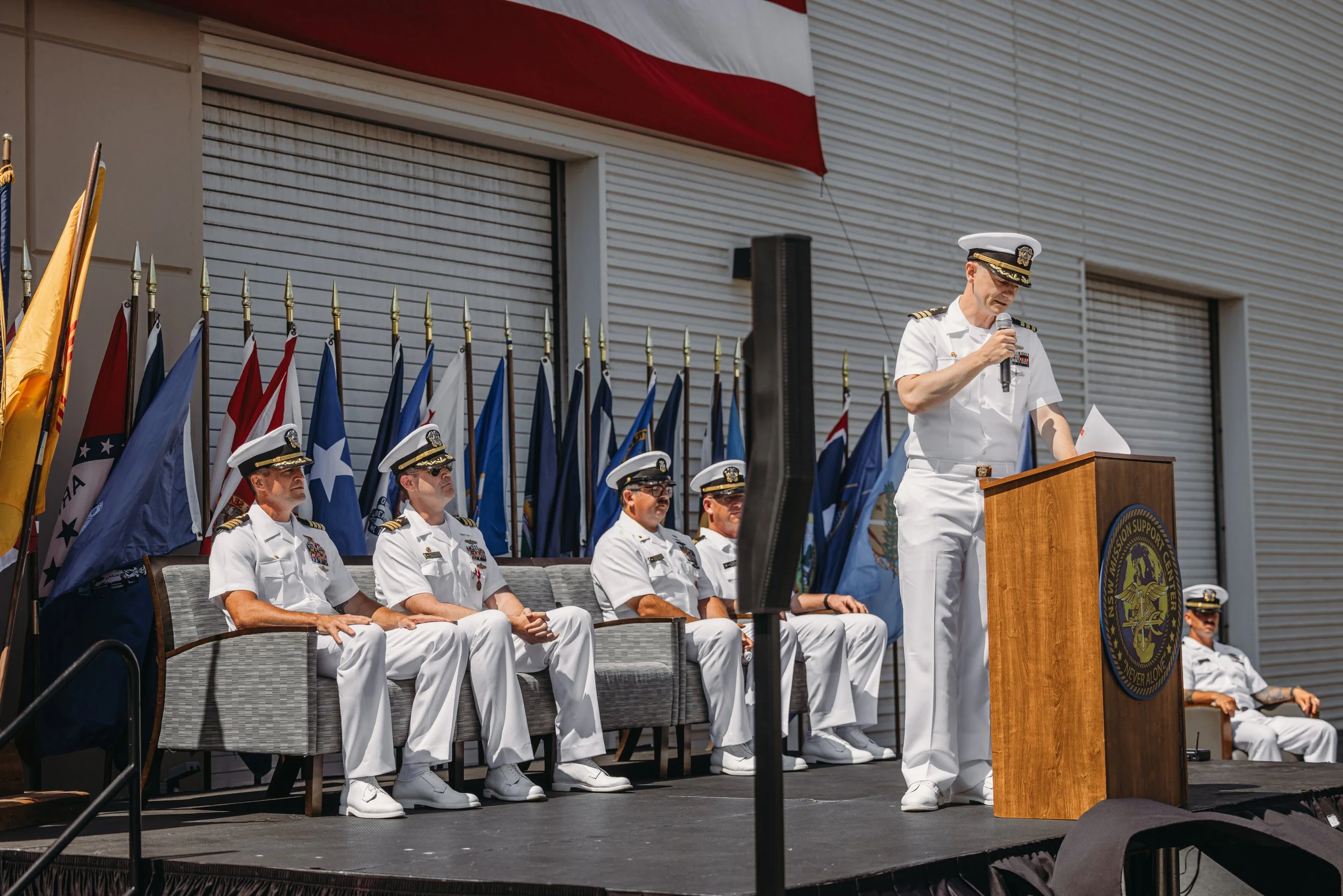
LCDR Pilarski oberserving ceremony after gibing opening remarks.
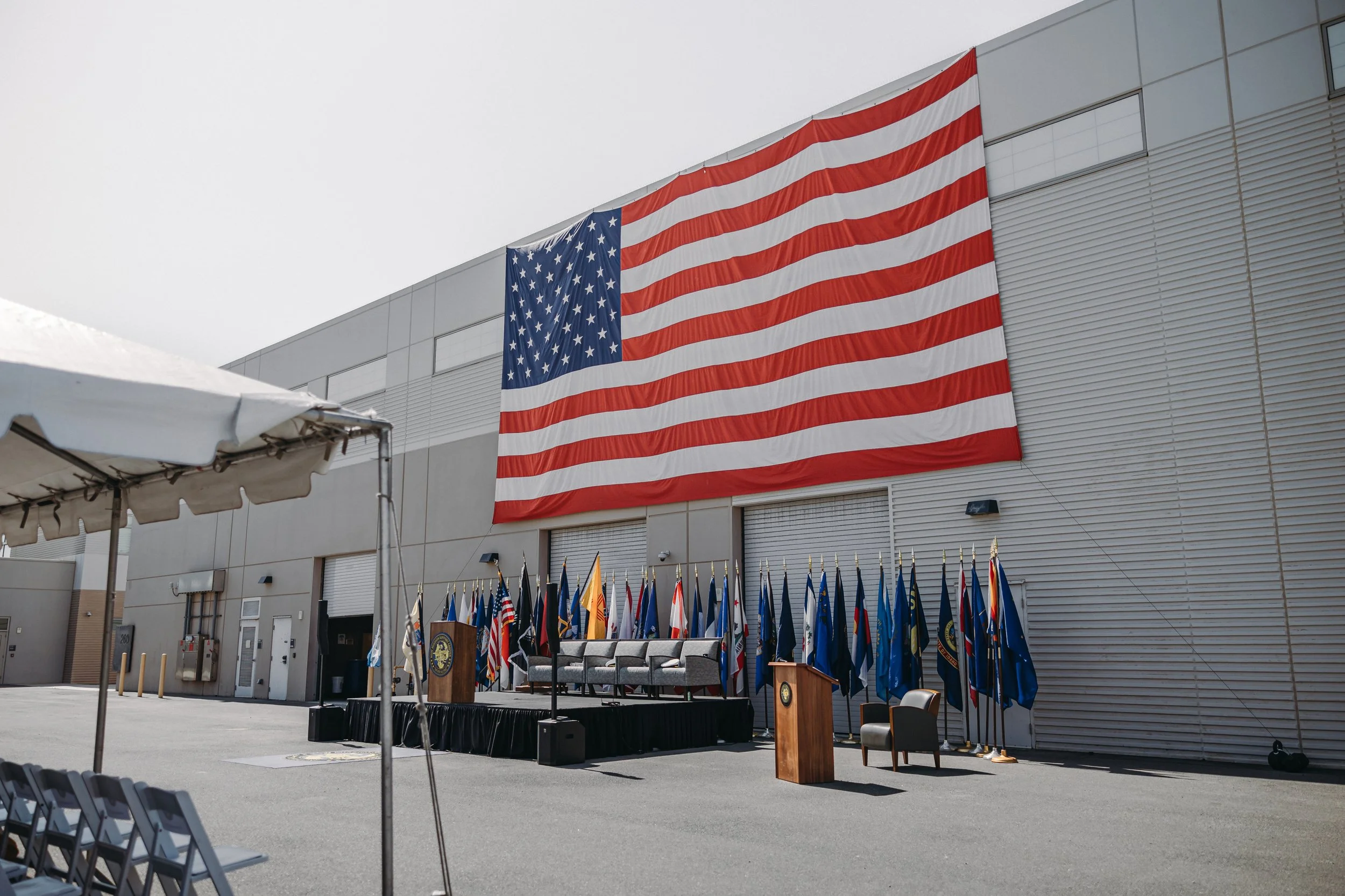
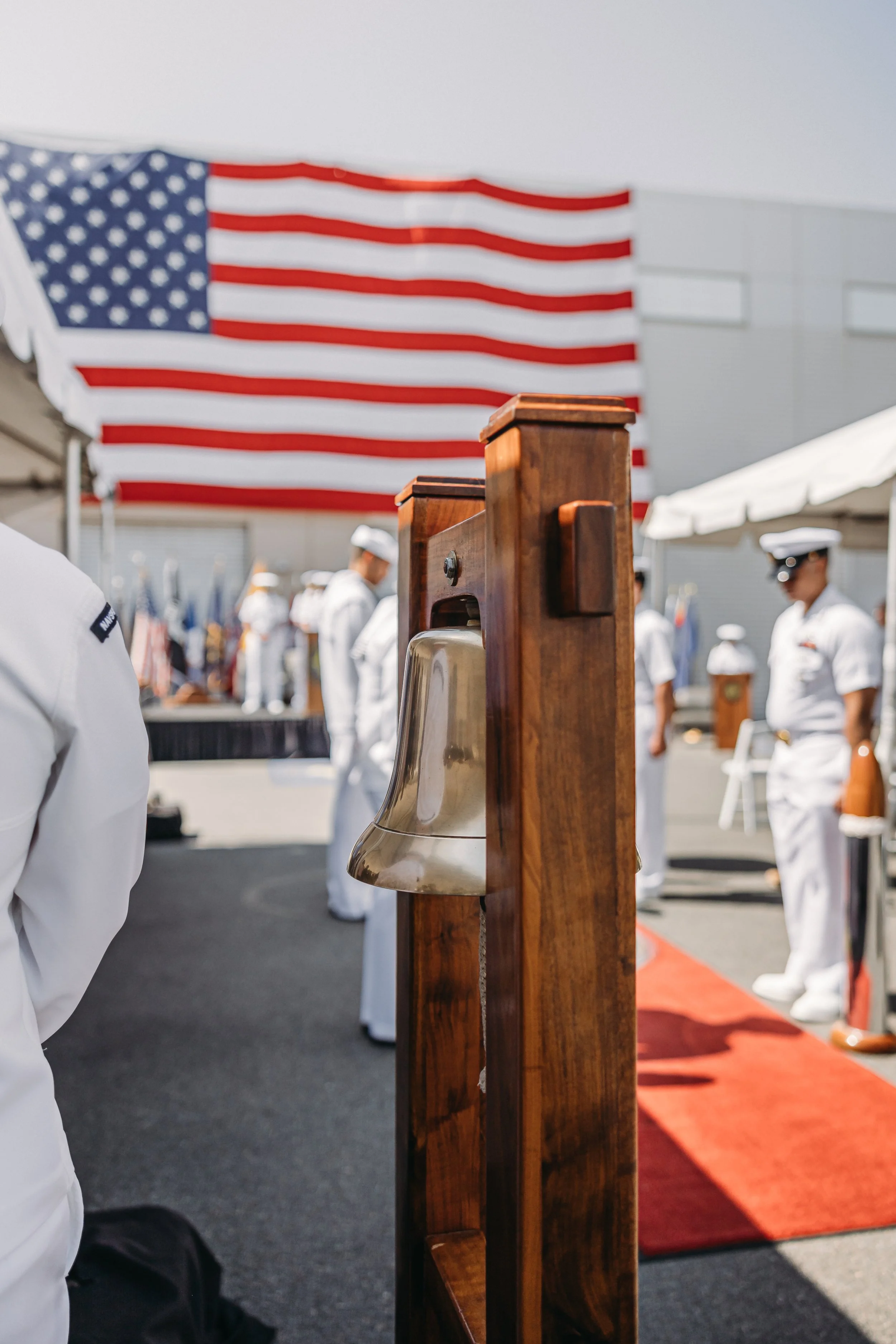
This Change of Command ceremony took place at Silver Strand Training Complex (SSTC), located between Coronado and Imperial Beach. If you've ever driven through the area, you've probably noticed the massive circular antenna that locals affectionately call the "Elephant Cage."
The landmark is impossible to miss.
Long before it became one of Naval Special Warfare's premier training locations, the site served as the Naval Radio Receiving Facility (NRRF). The iconic circular antenna, officially known as a Wullenweber antenna, played a critical role in maintaining long-range communications with the Navy's submarine fleet during the Cold War.
Today, the mission looks very different.
The approximately 450-acre training complex has evolved into one of the Navy's premier special operations training facilities. Surrounded by both the Pacific Ocean and San Diego Bay, it offers realistic maritime training environments while its urban-style facilities provide spaces for complex mission rehearsals and specialized military training.
Standing there photographing the ceremony, it's hard not to appreciate the history surrounding the command. The location itself has evolved alongside Naval Special Warfare, adapting to meet the needs of a changing military, much like the reorganization that created Naval Special Warfare Group 8.
Source: Commander, Navy Installations Command – Silver Strand Training Complex
Looking for a San Diego Change of Command Photographer?
Morning Owl Fine Art Photography specializes in documenting military milestones throughout San Diego, including:
Navy Change of Command Ceremonies
Military Retirements
Promotion Ceremonies
Homecomings
Military Funerals
Unit Events and Command Functions
My goal is simple: create photographs that honor both the tradition and the people behind the uniform.
Some more photos of the ceremony
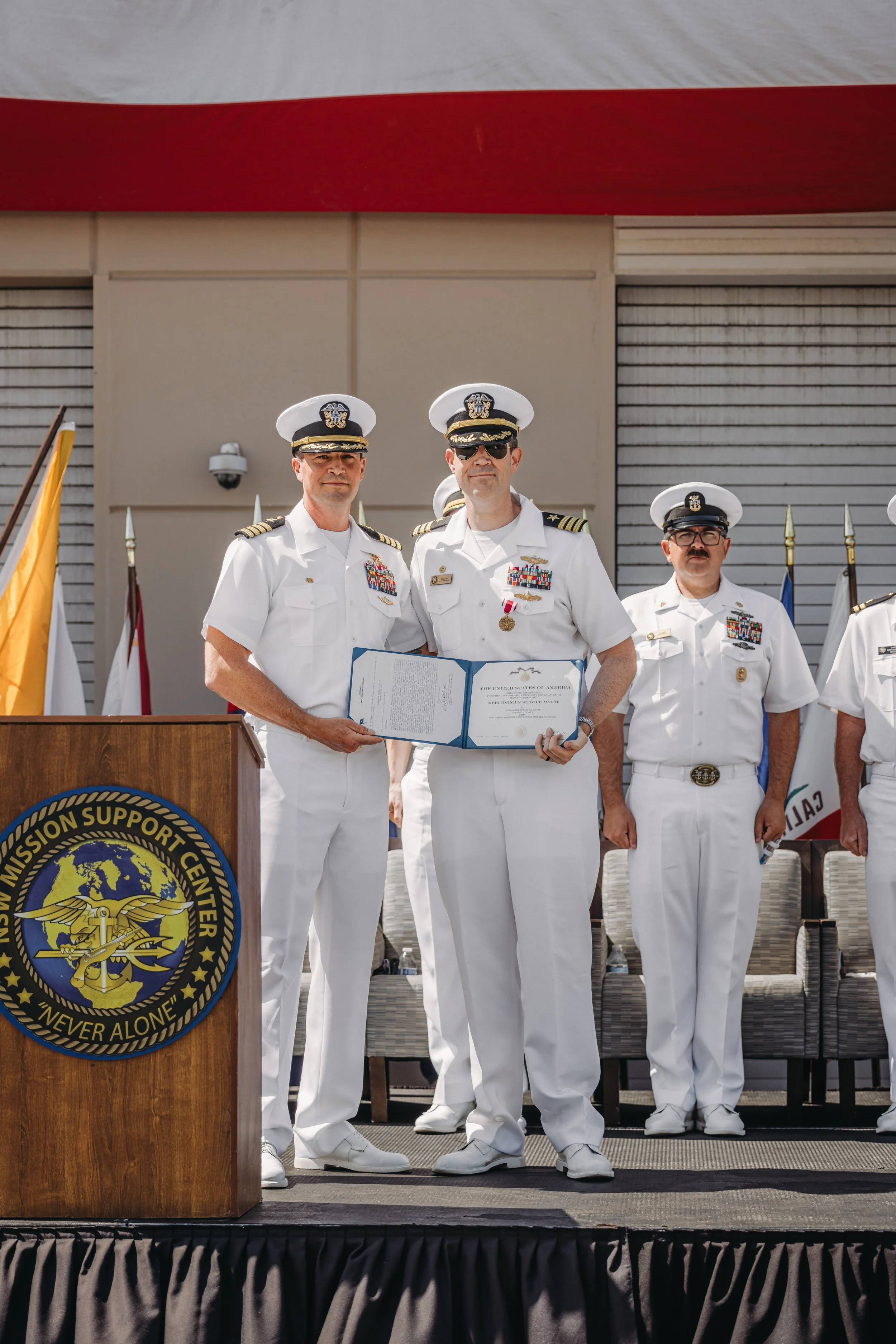
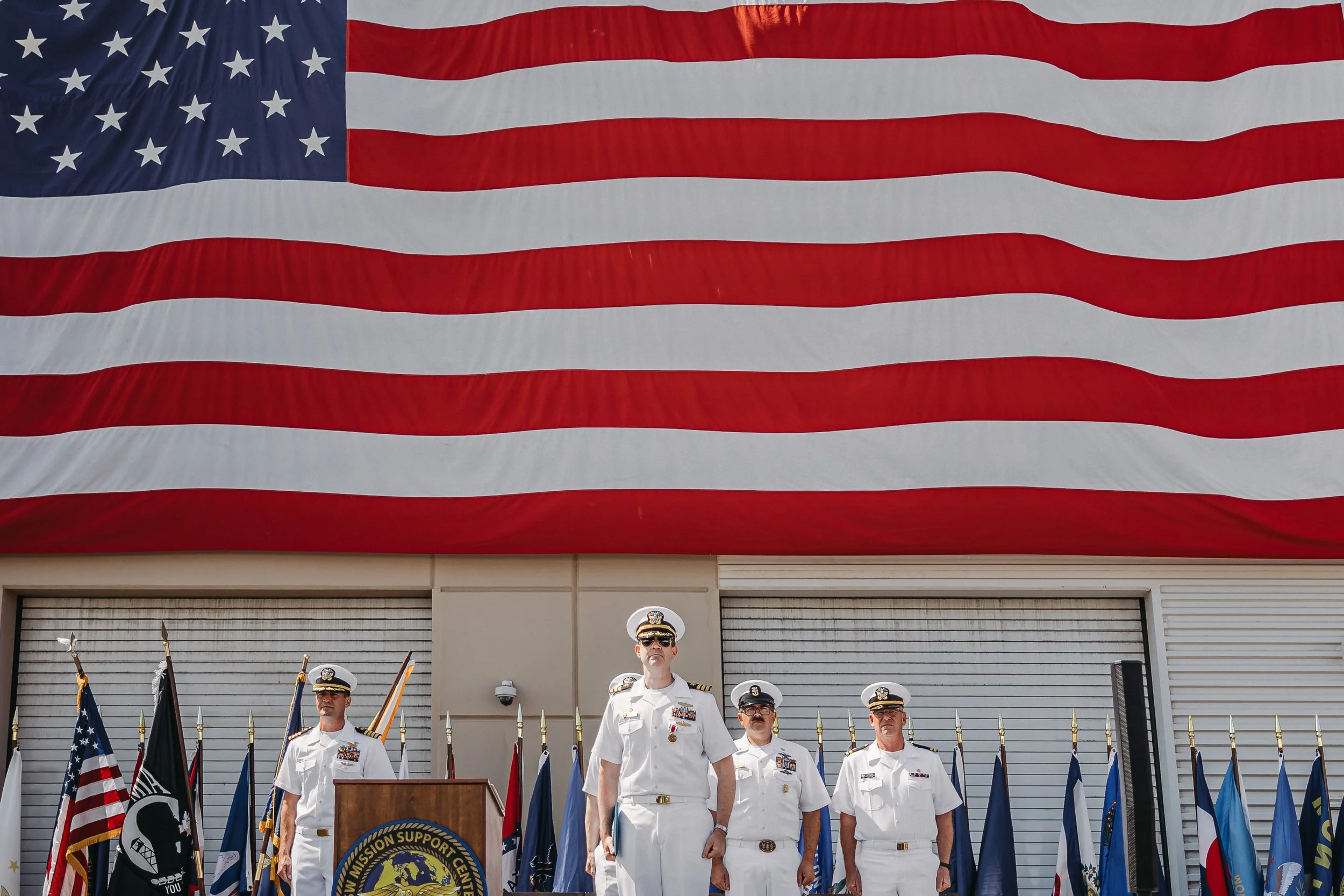
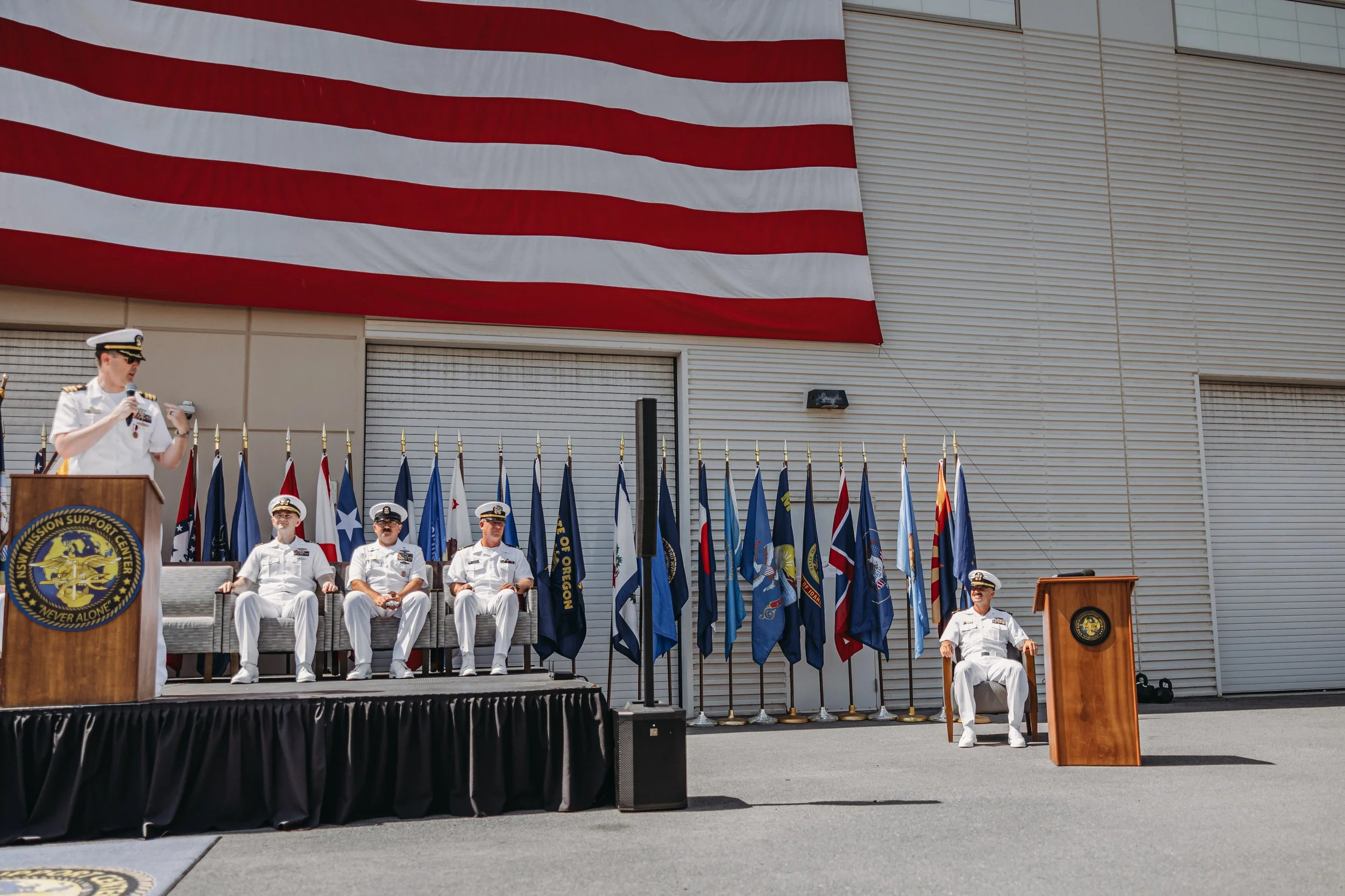
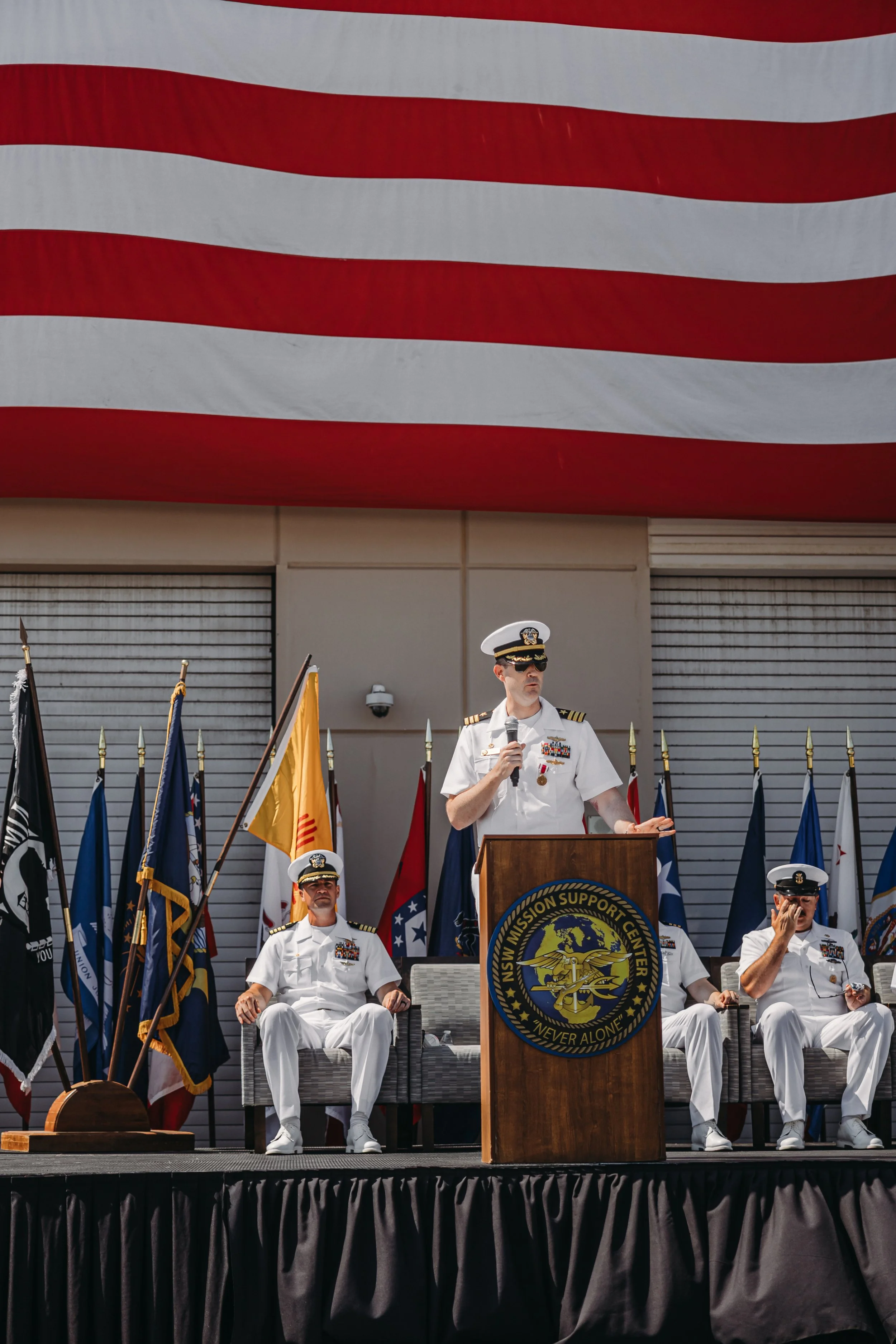
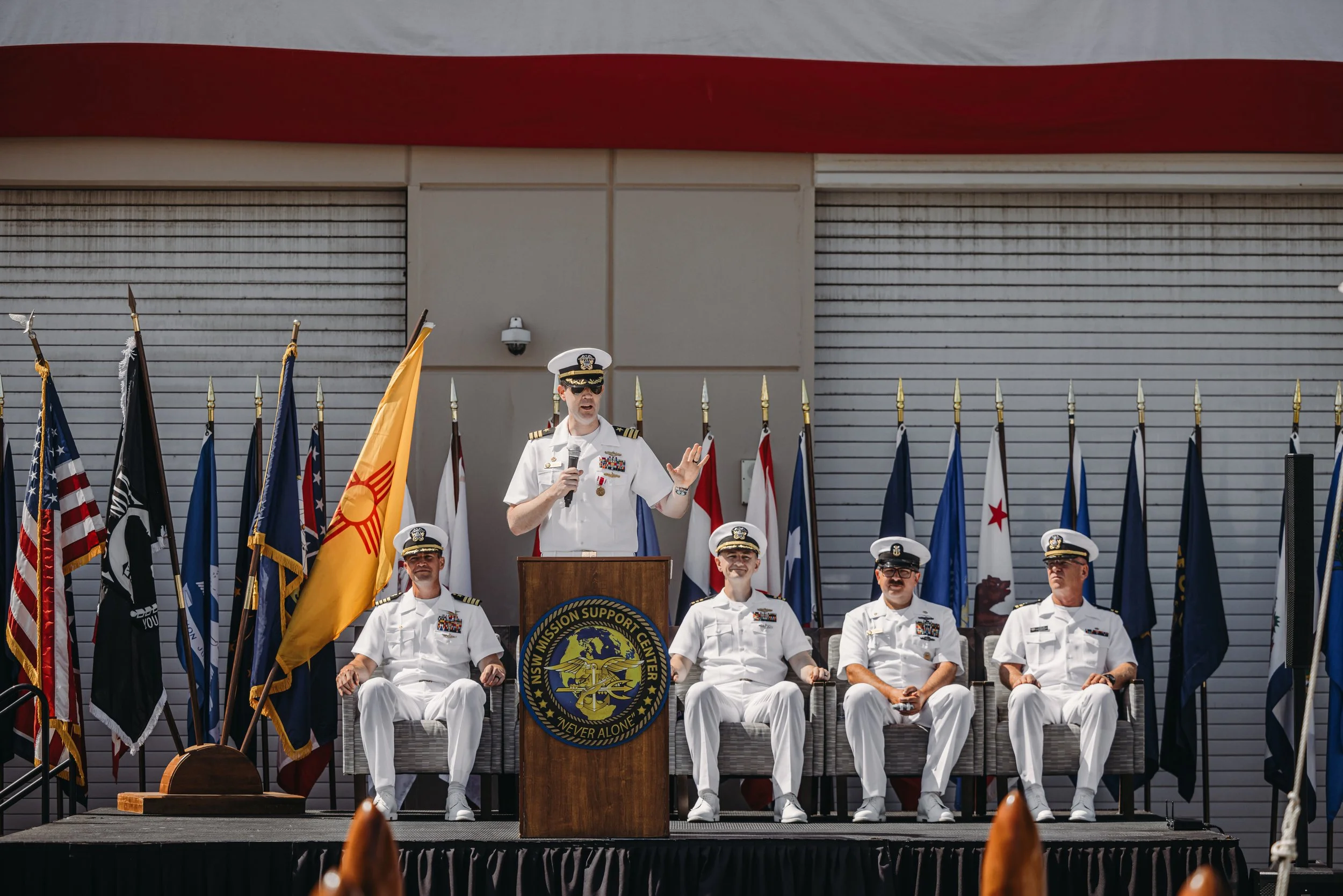
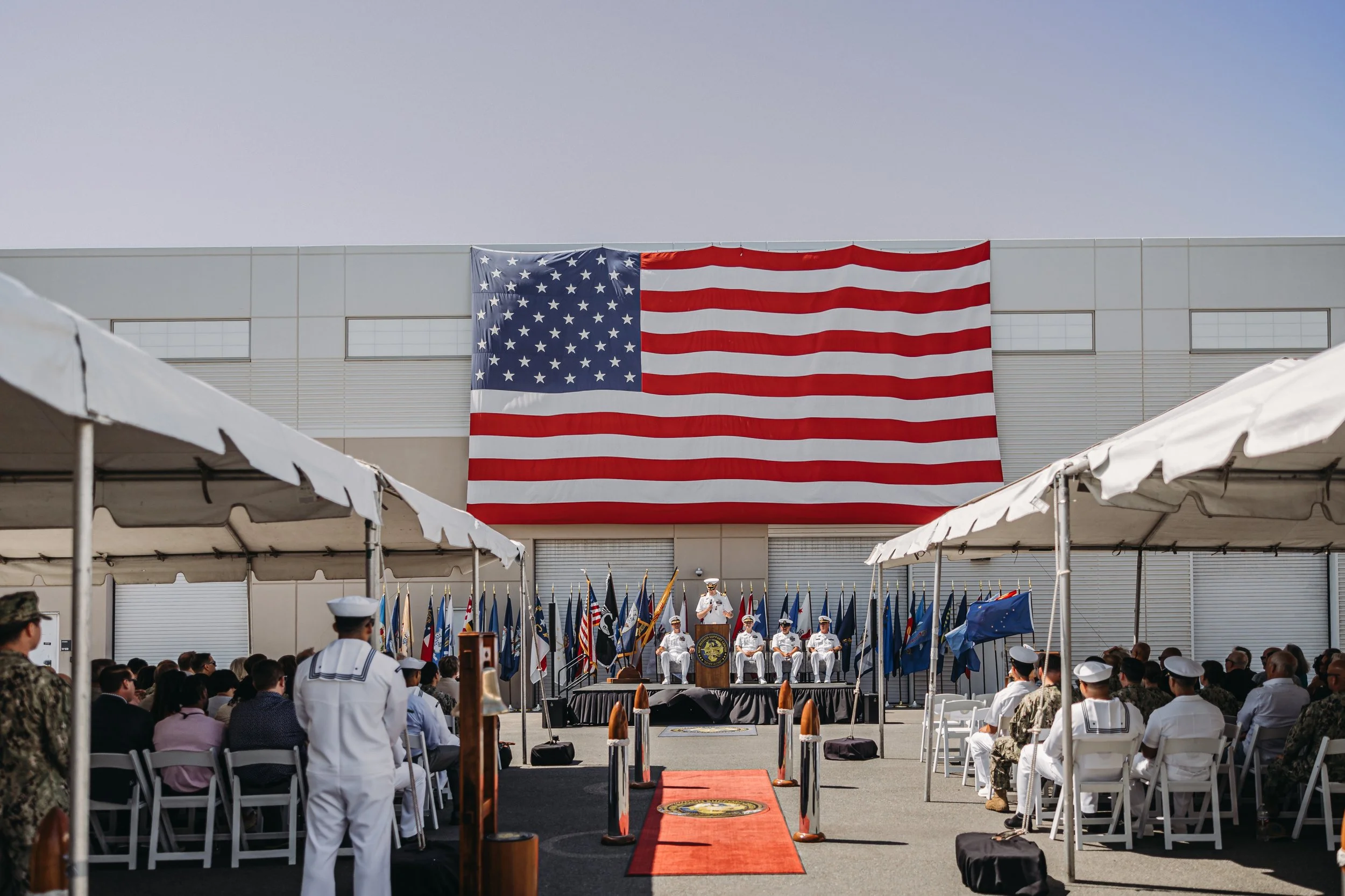
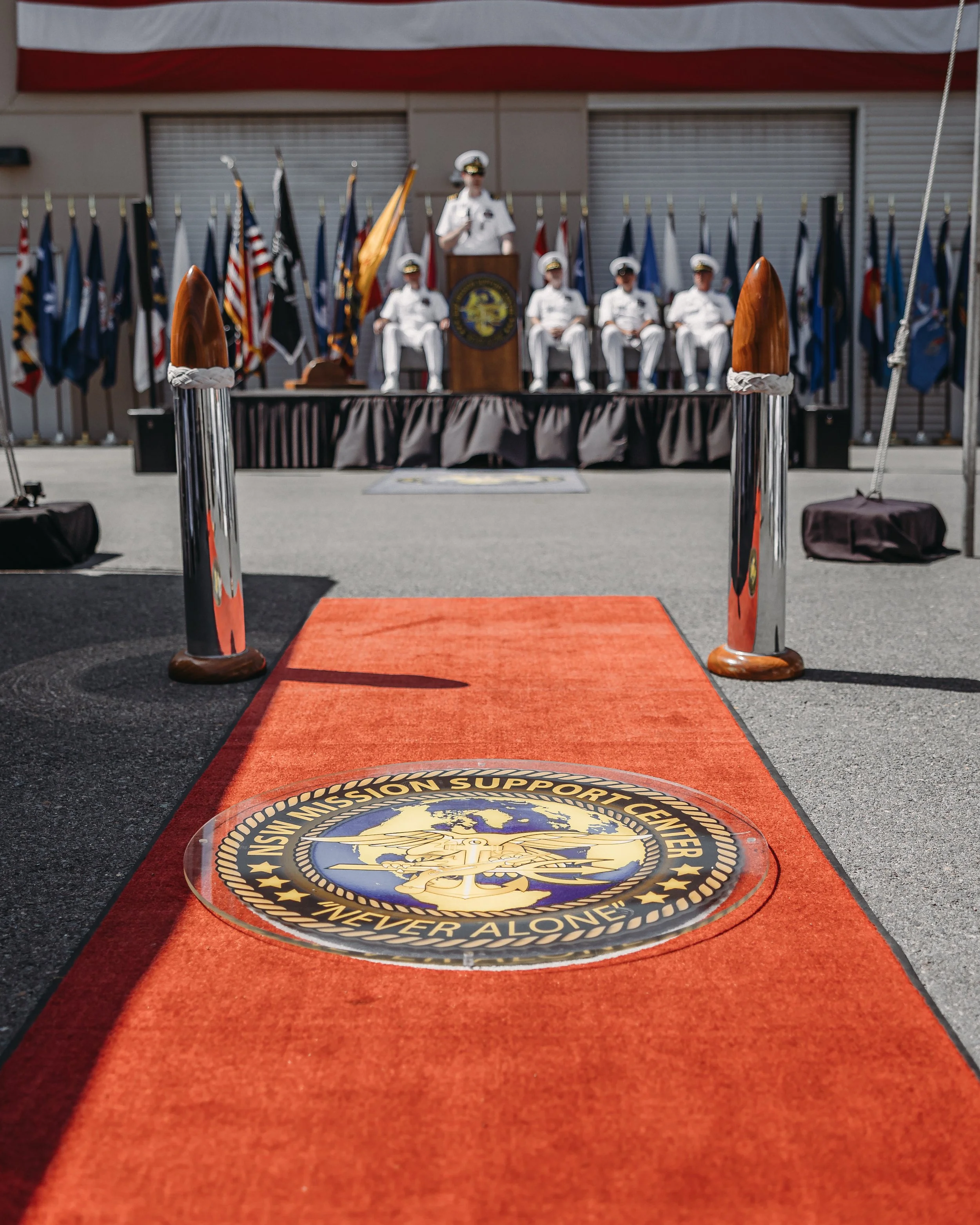
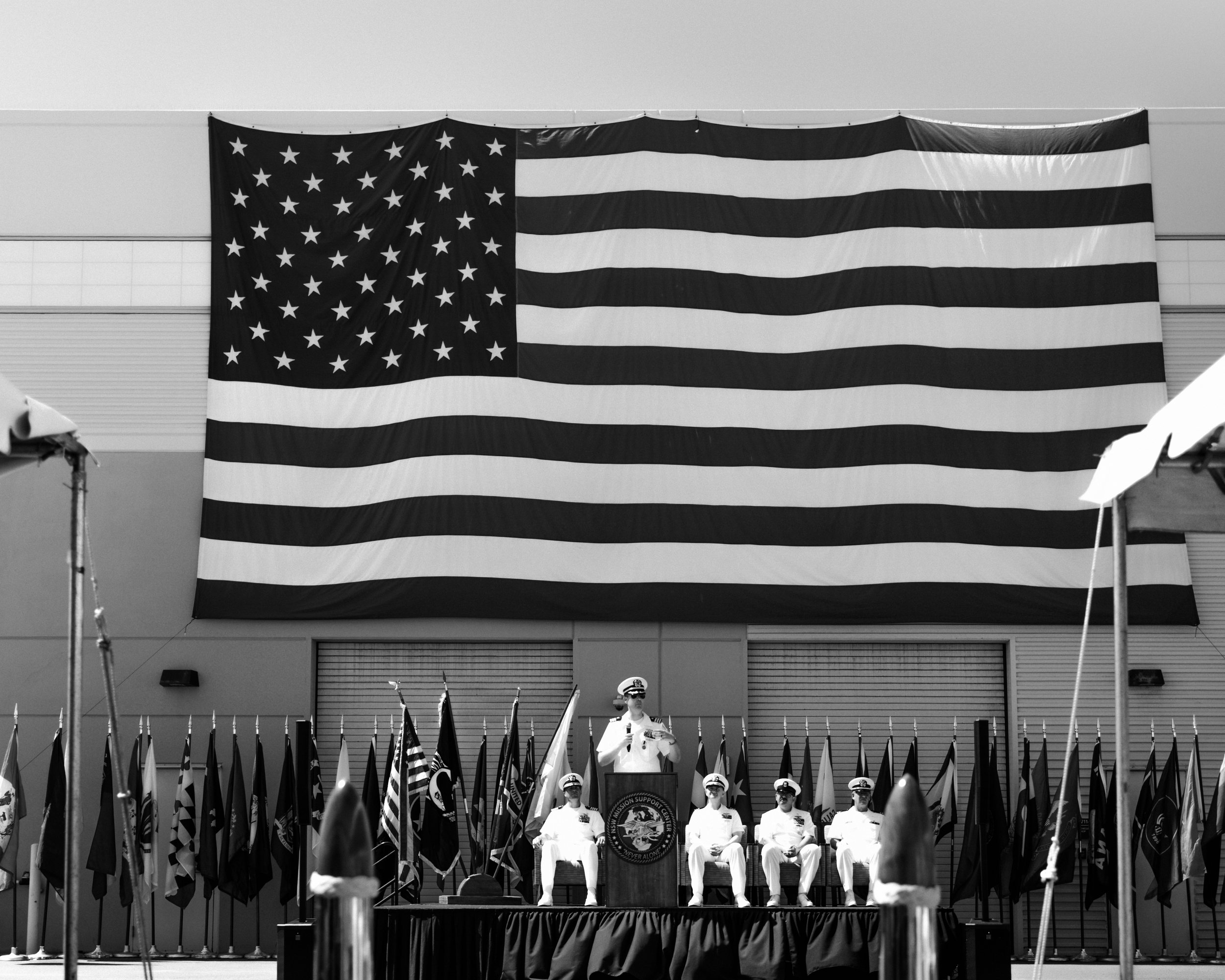

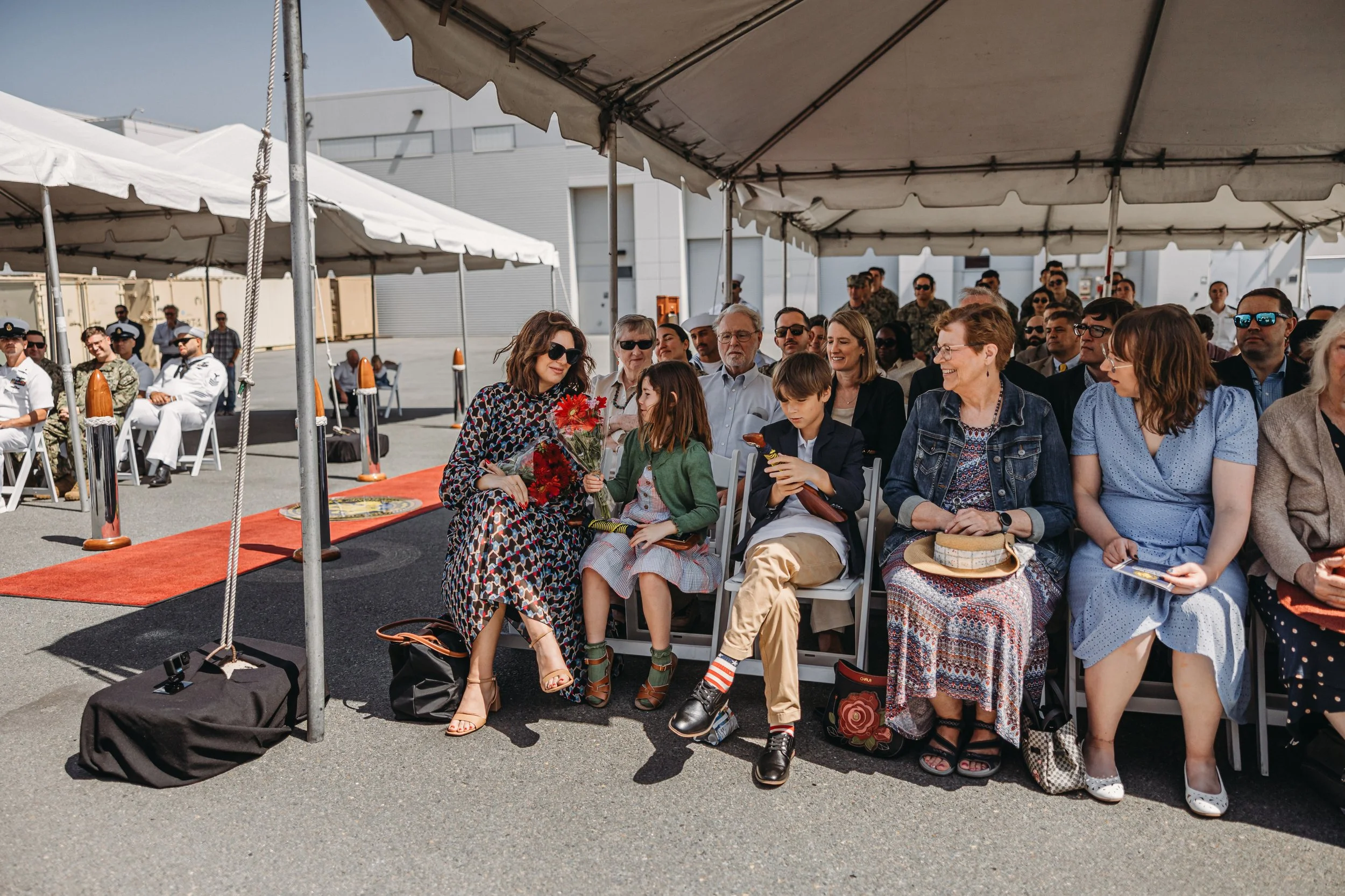
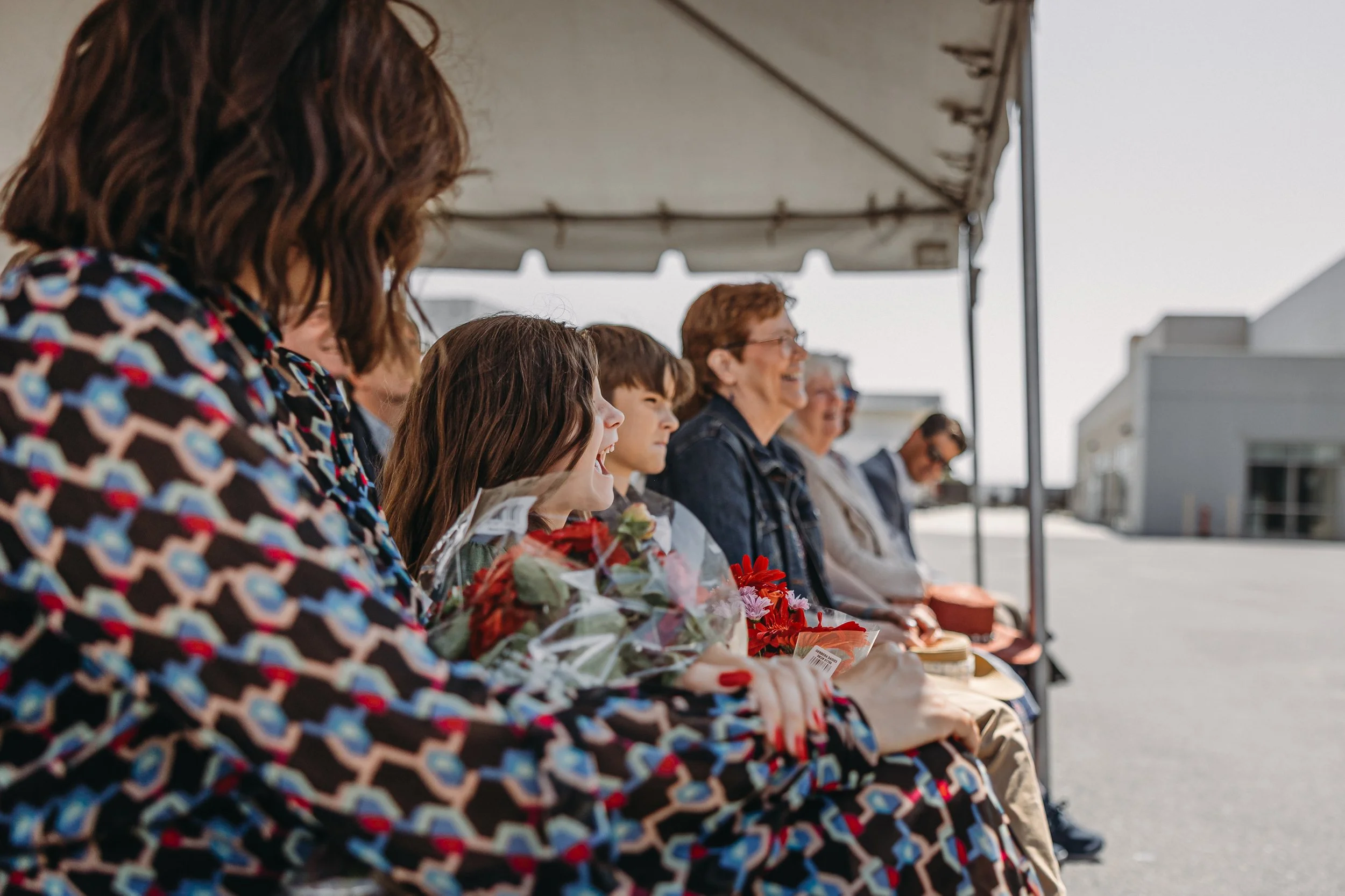
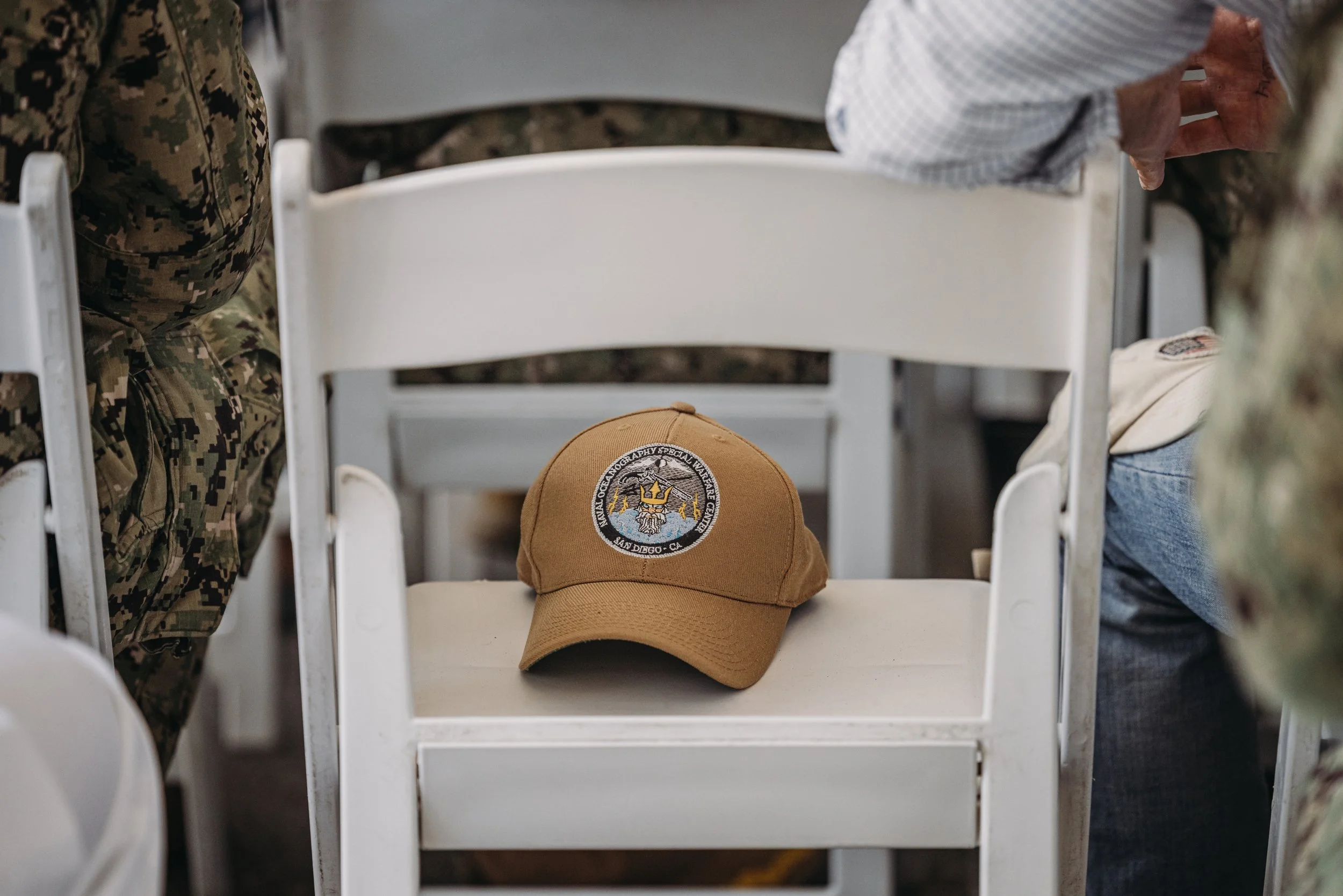
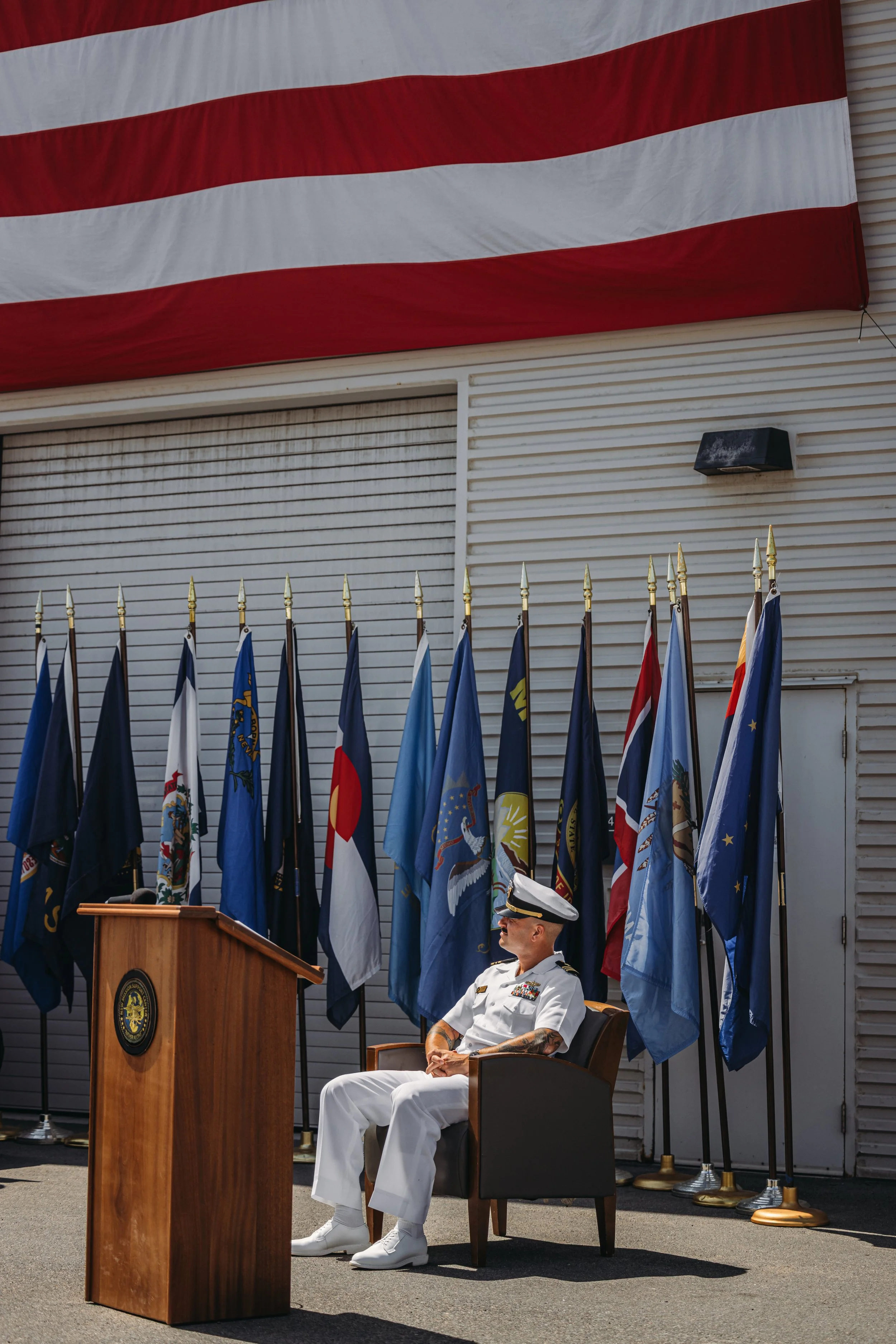
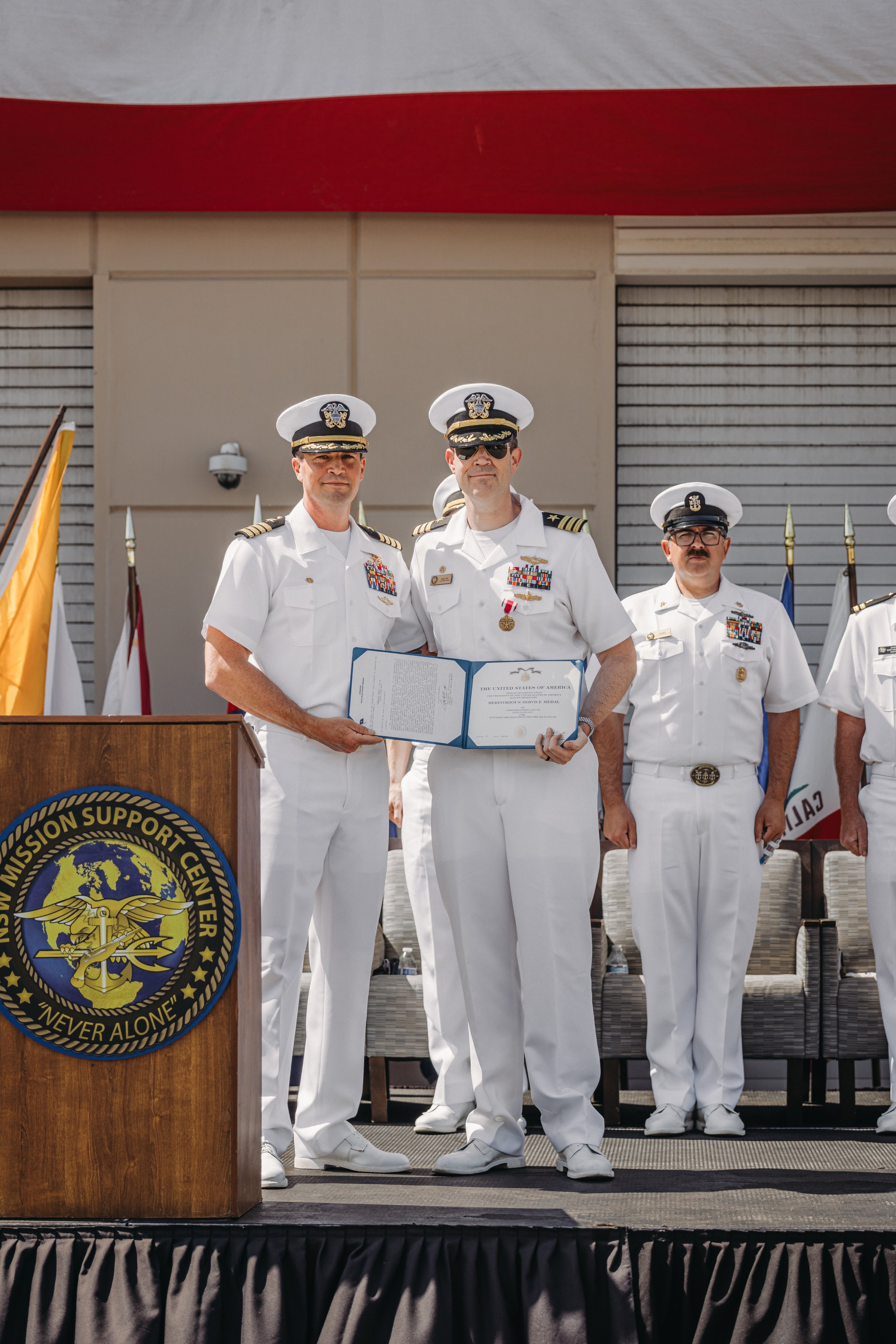
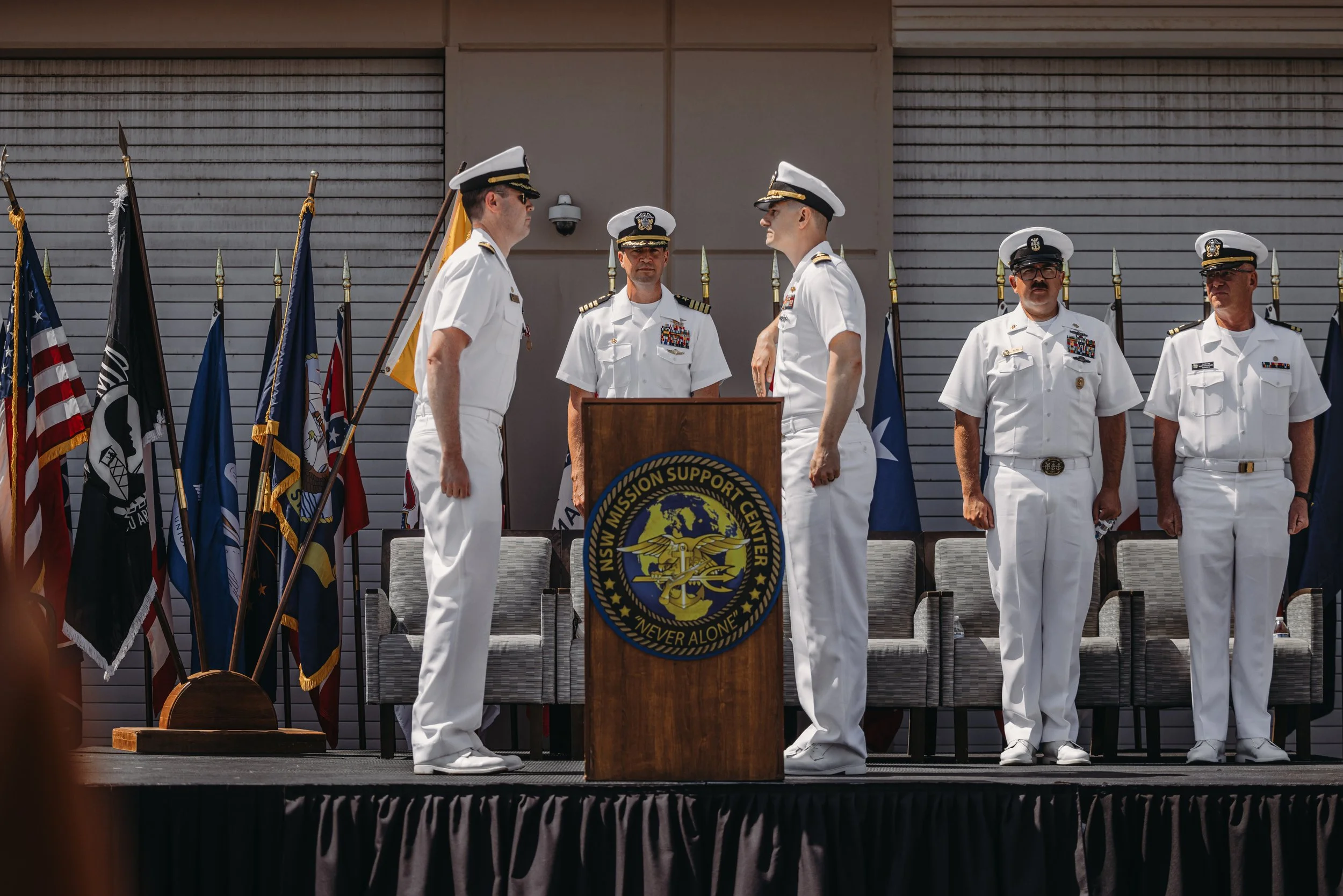
Awards & Transfer of Responsibility
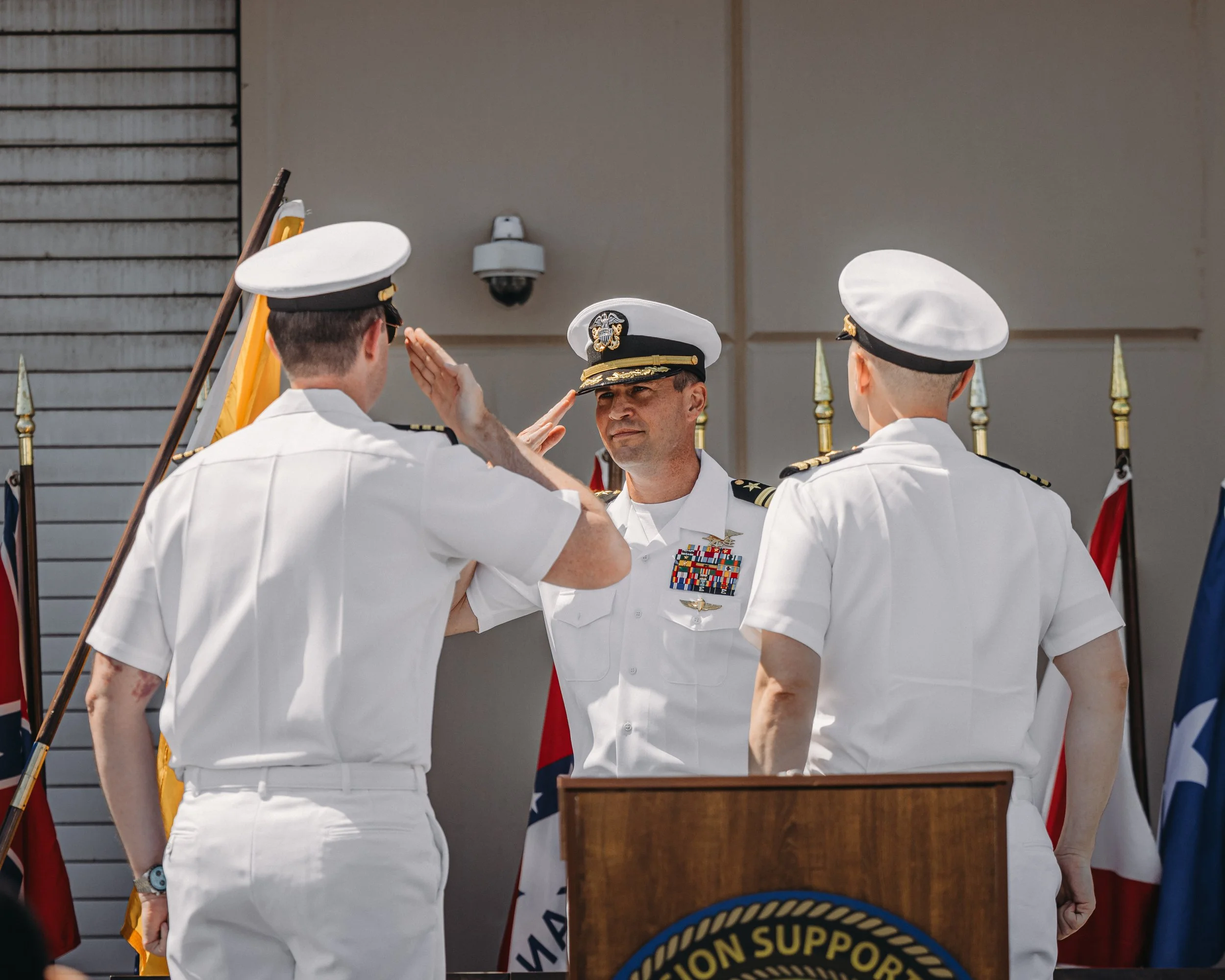
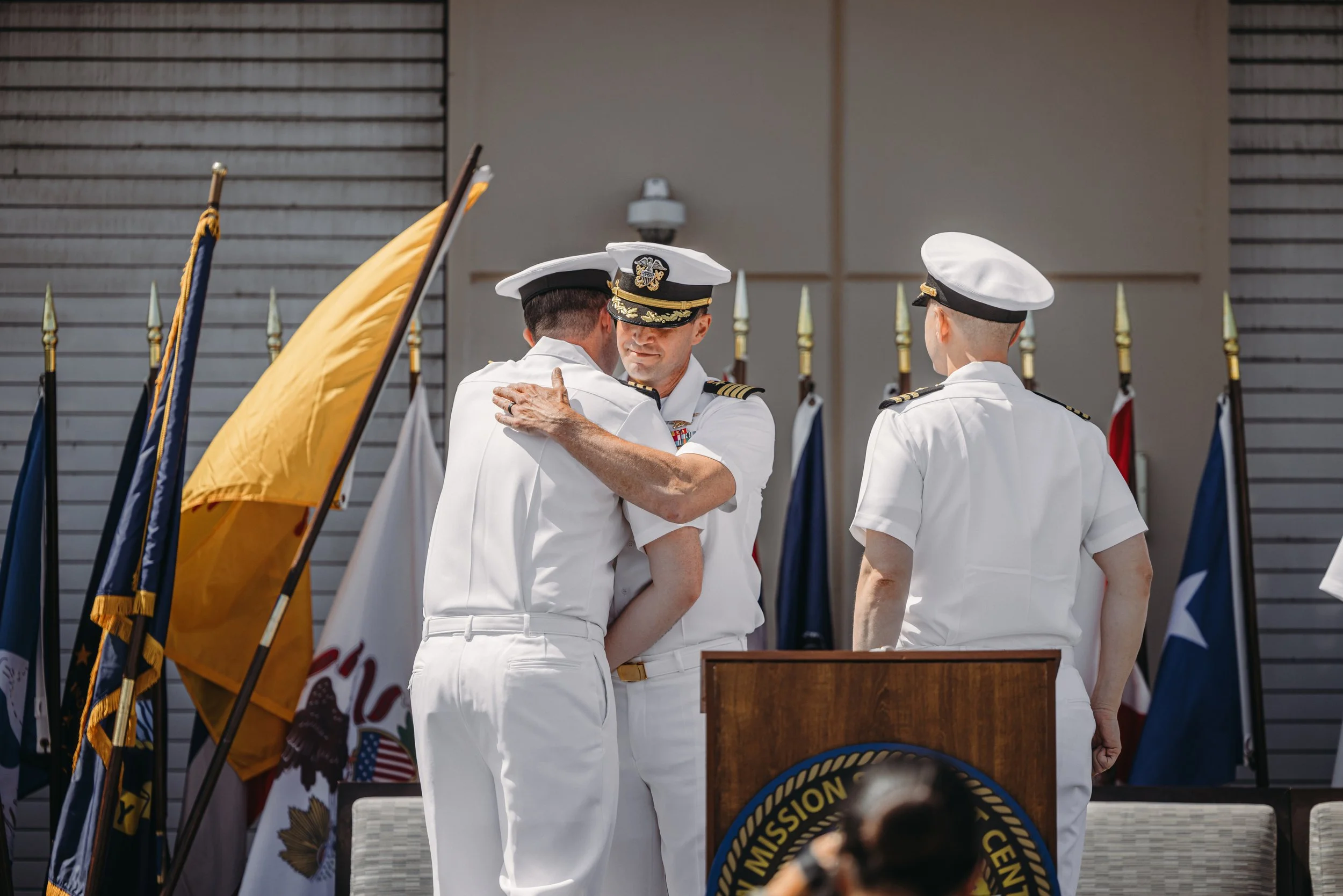
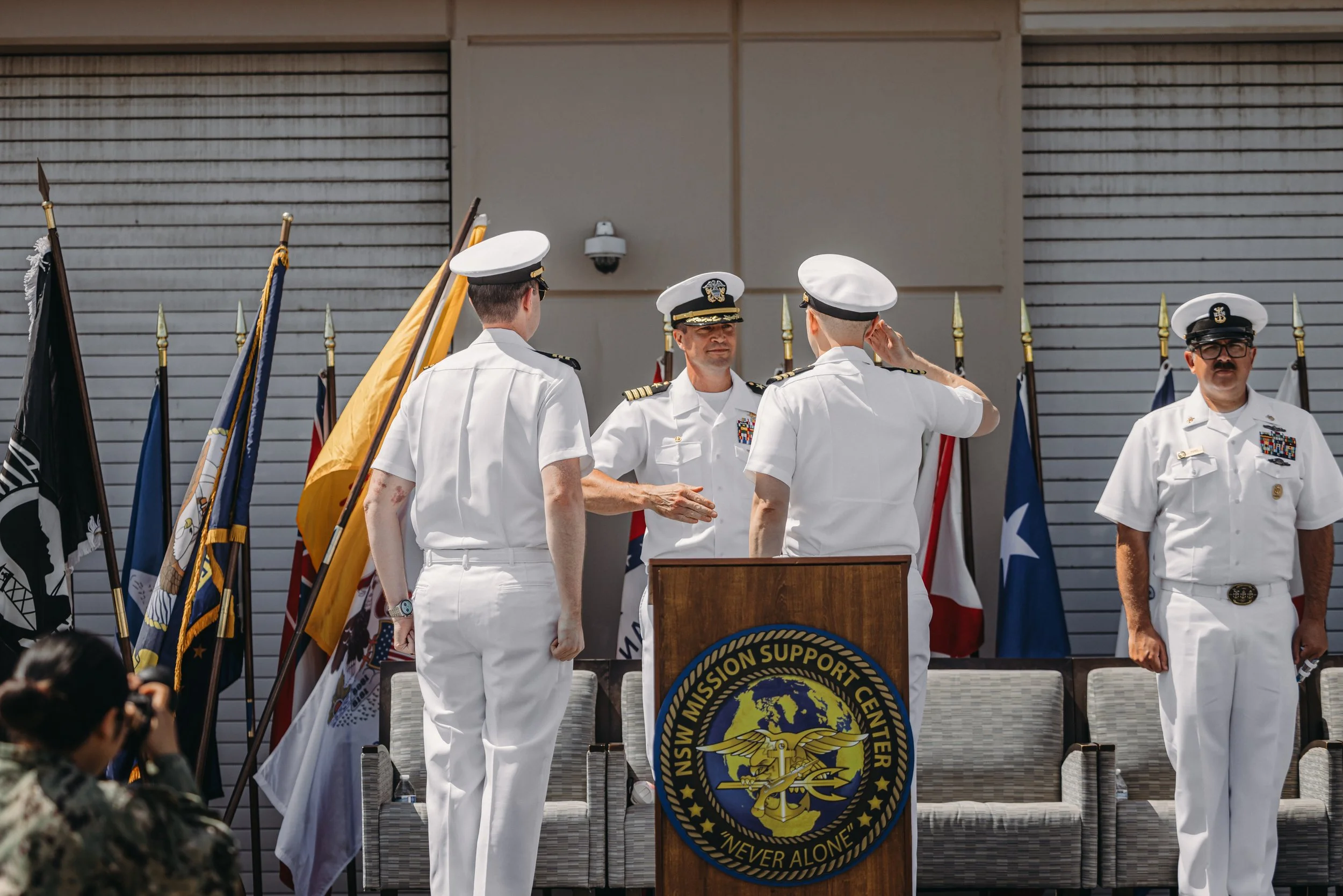
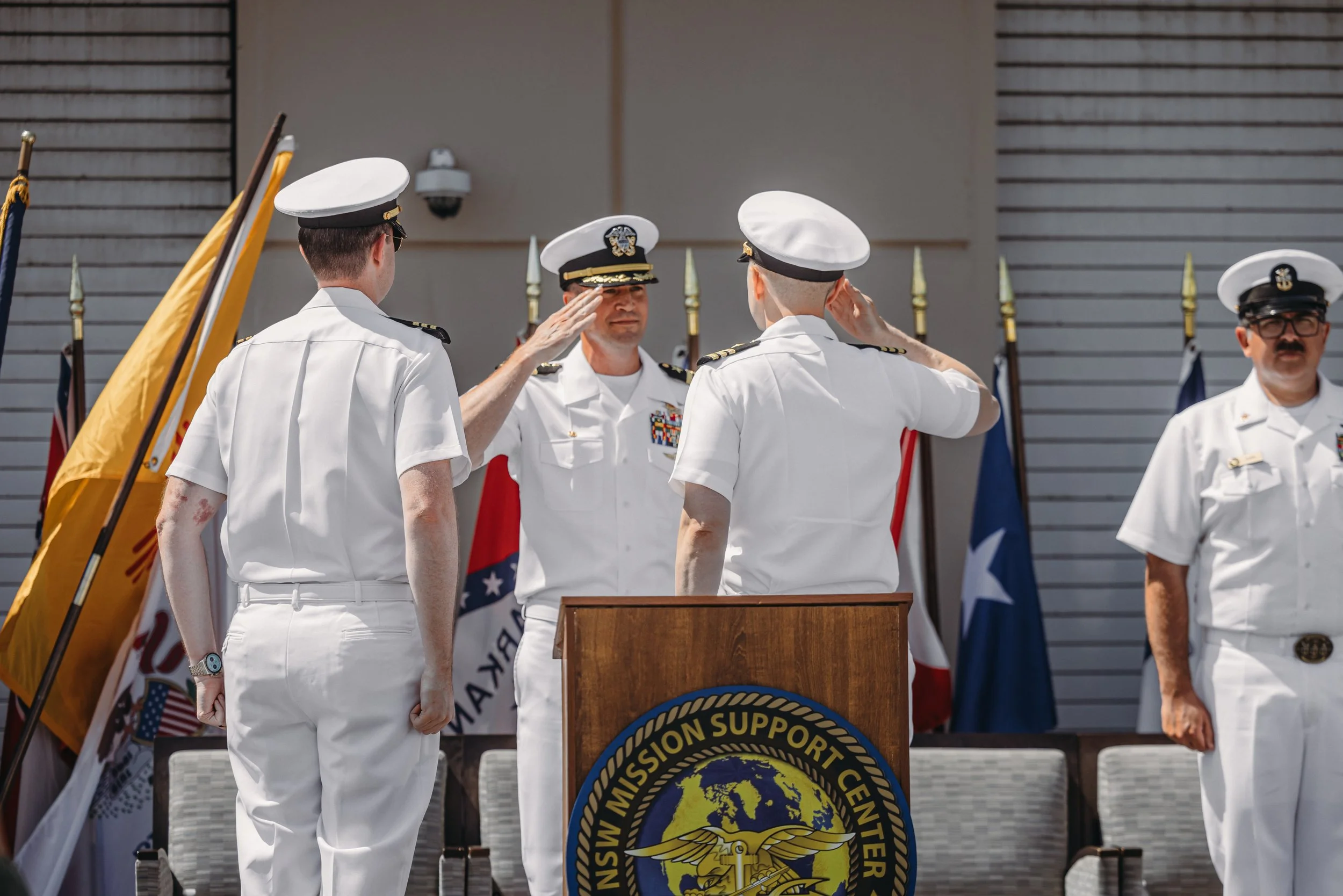
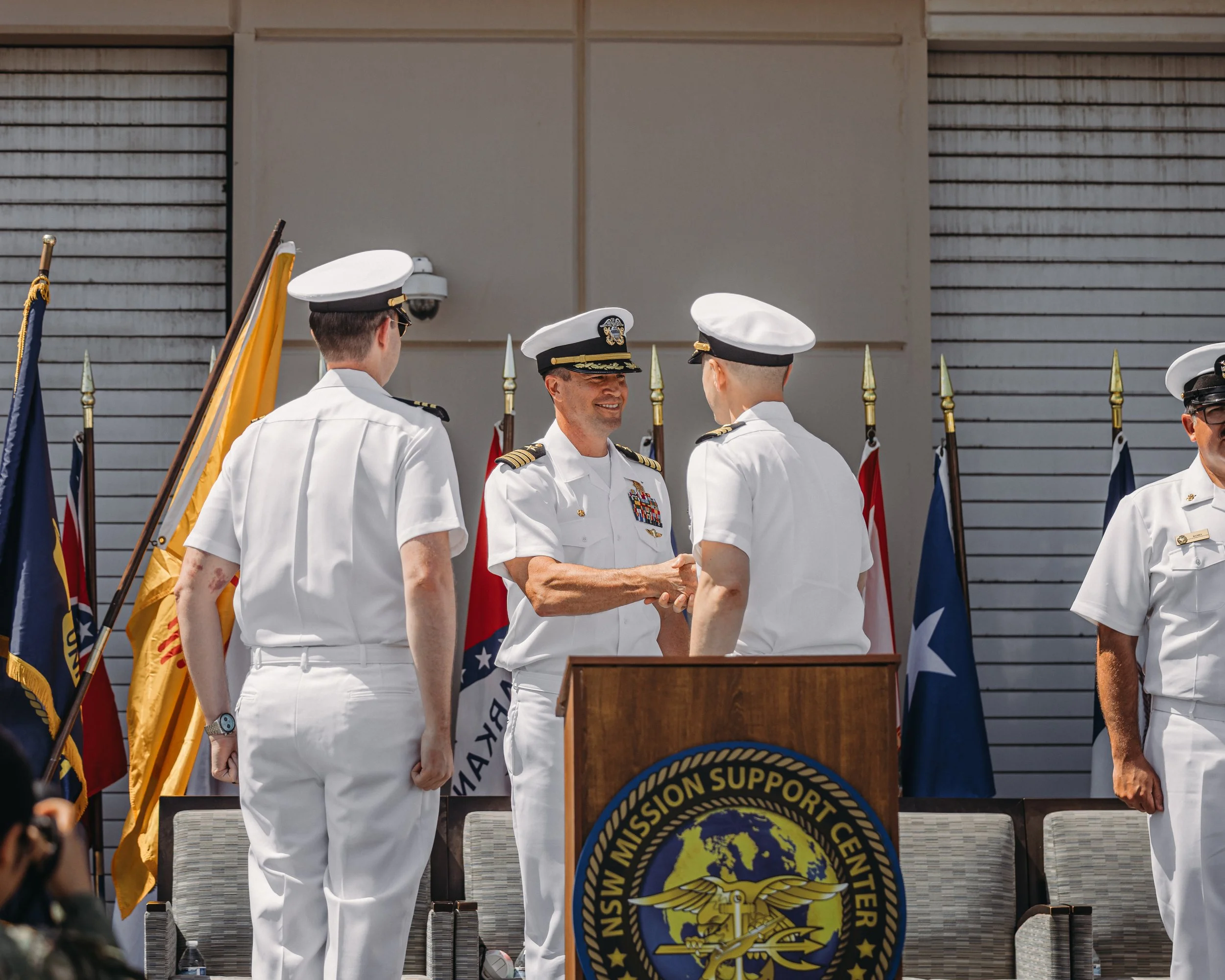
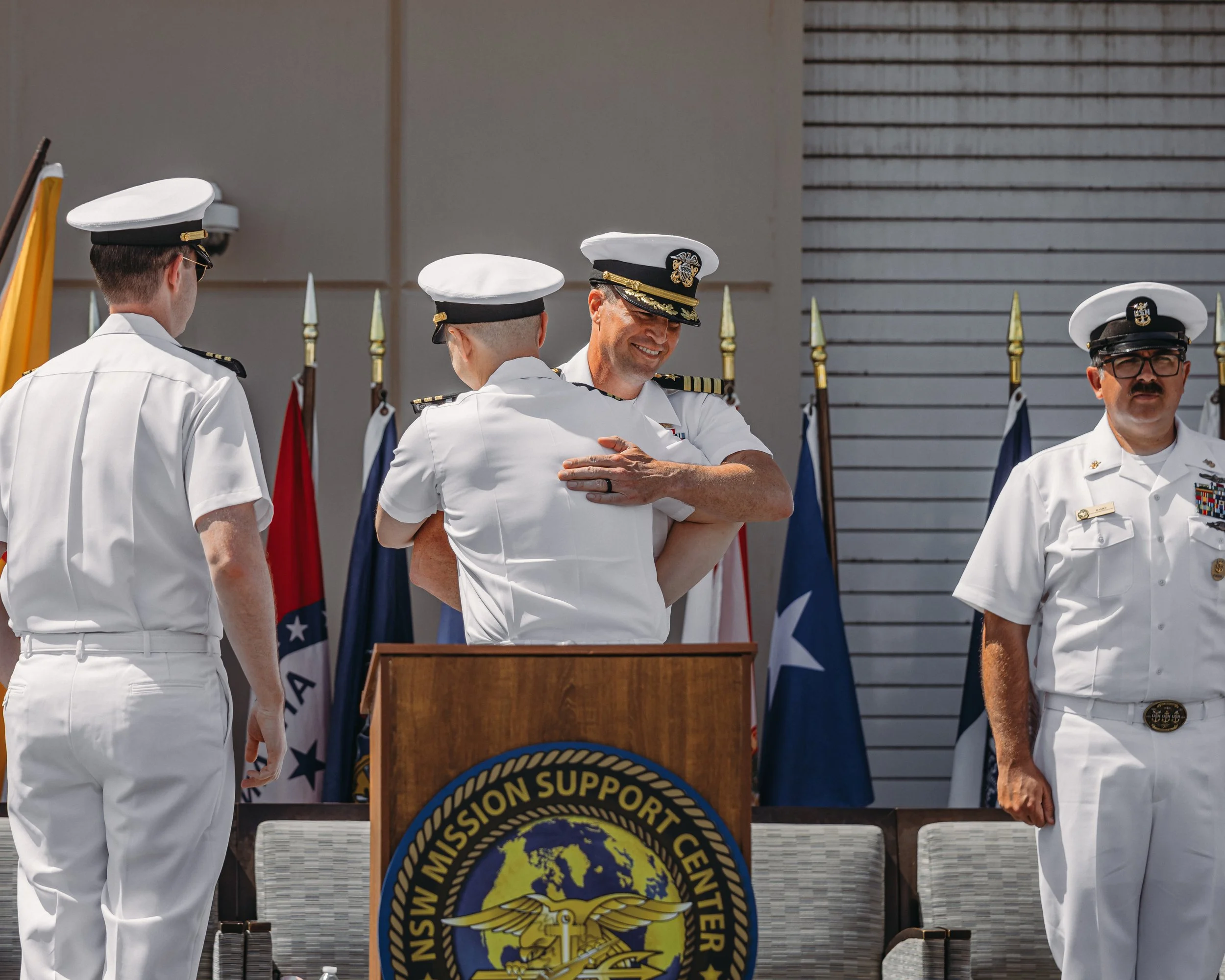
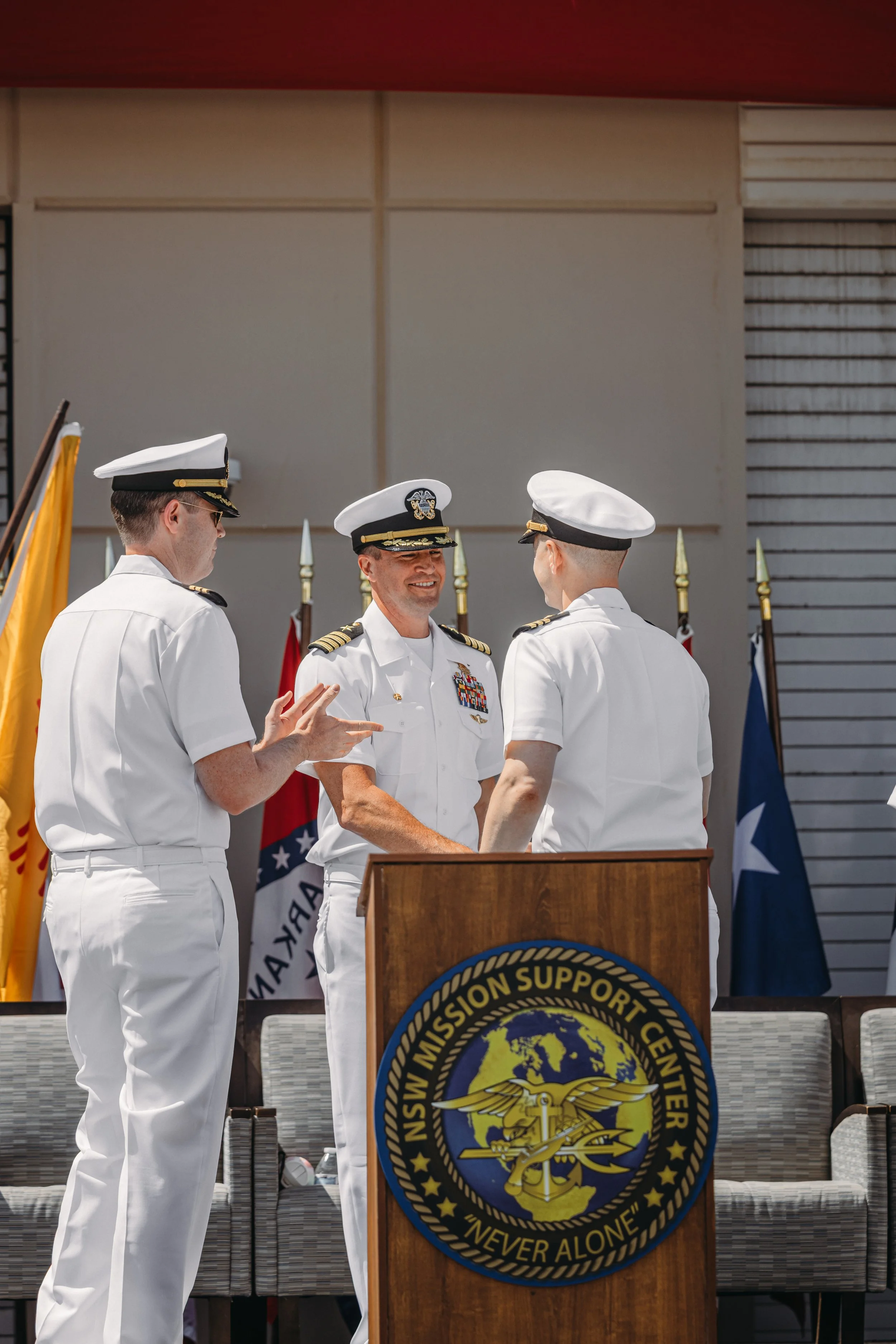
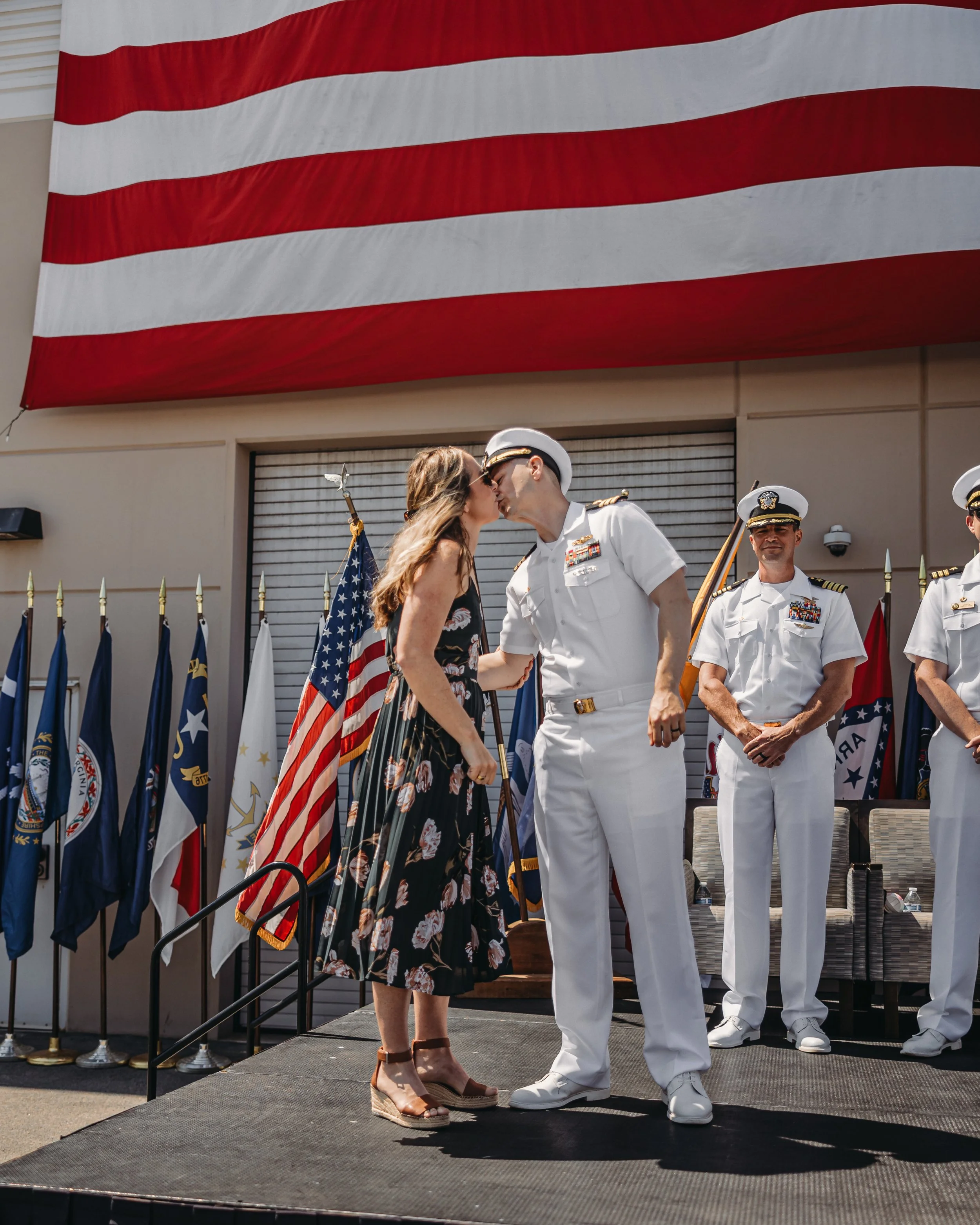
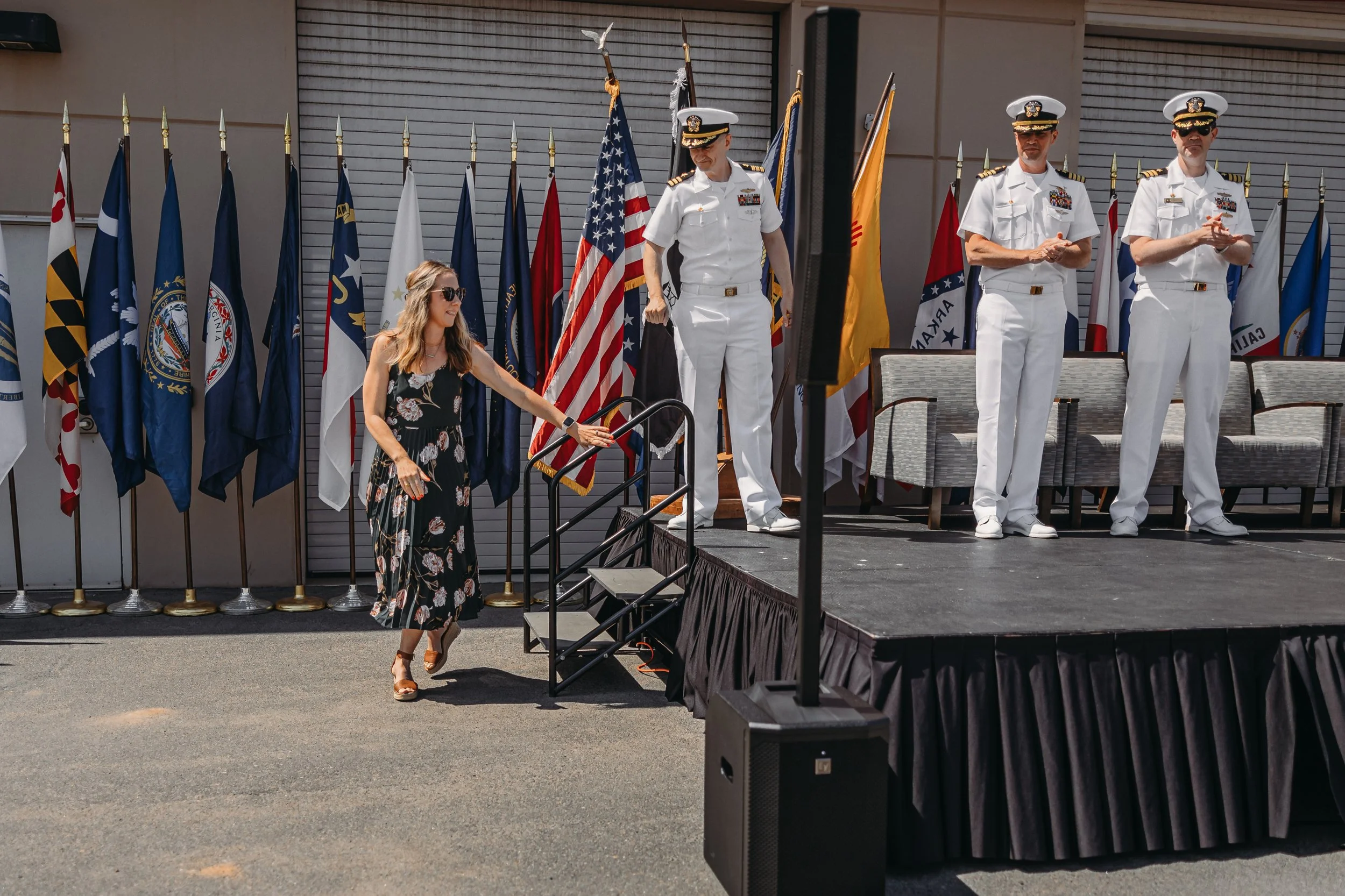
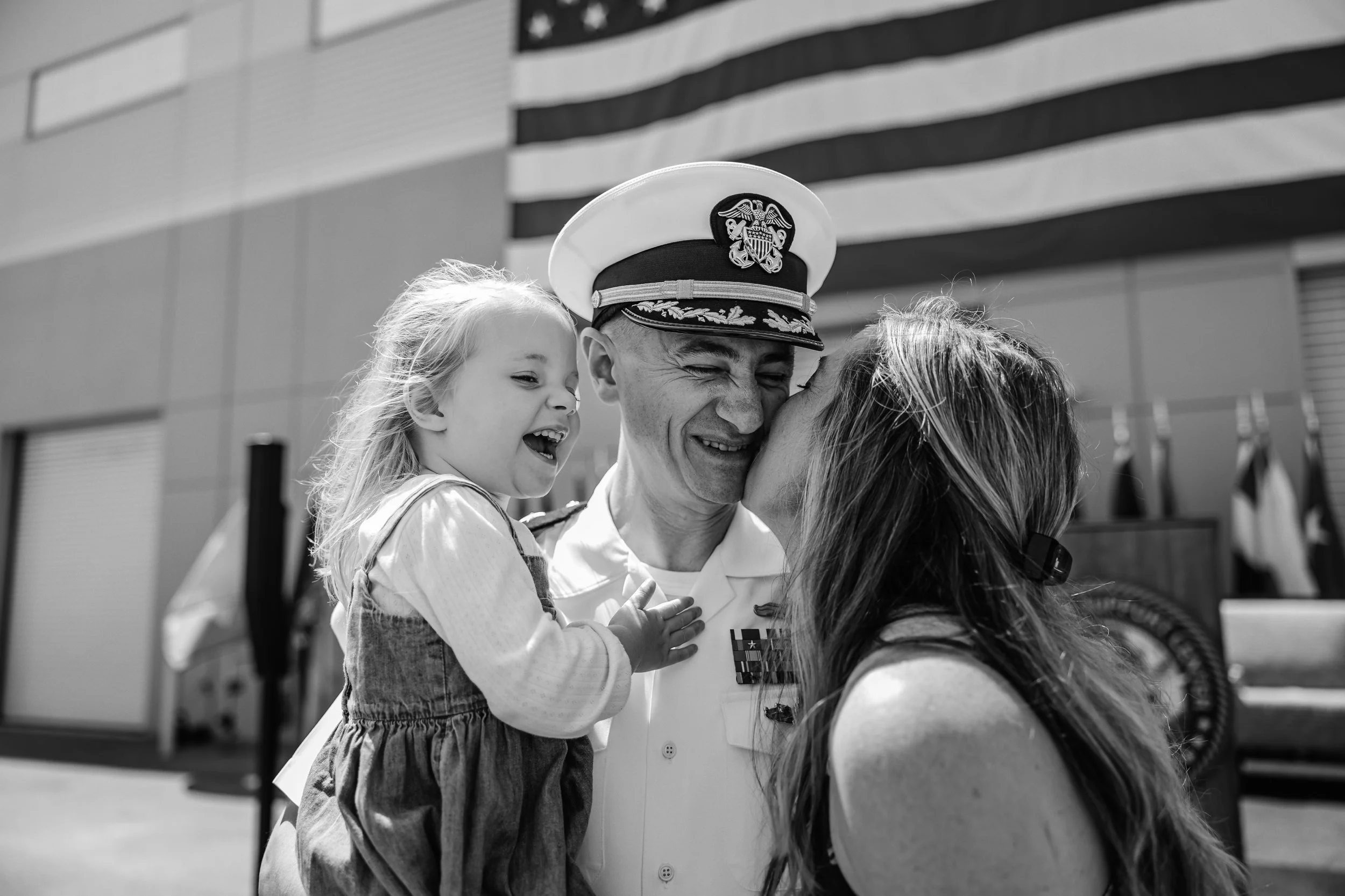
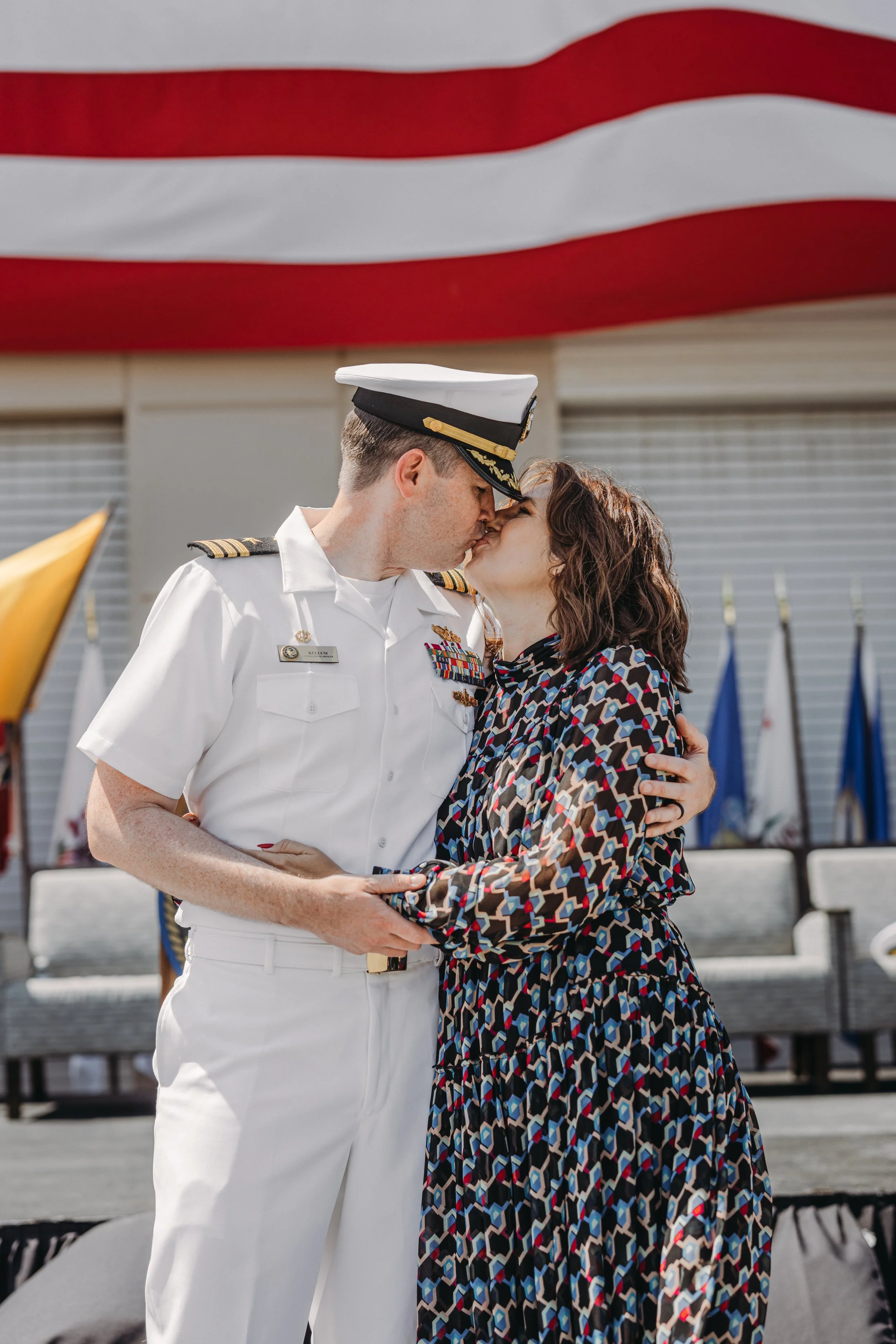
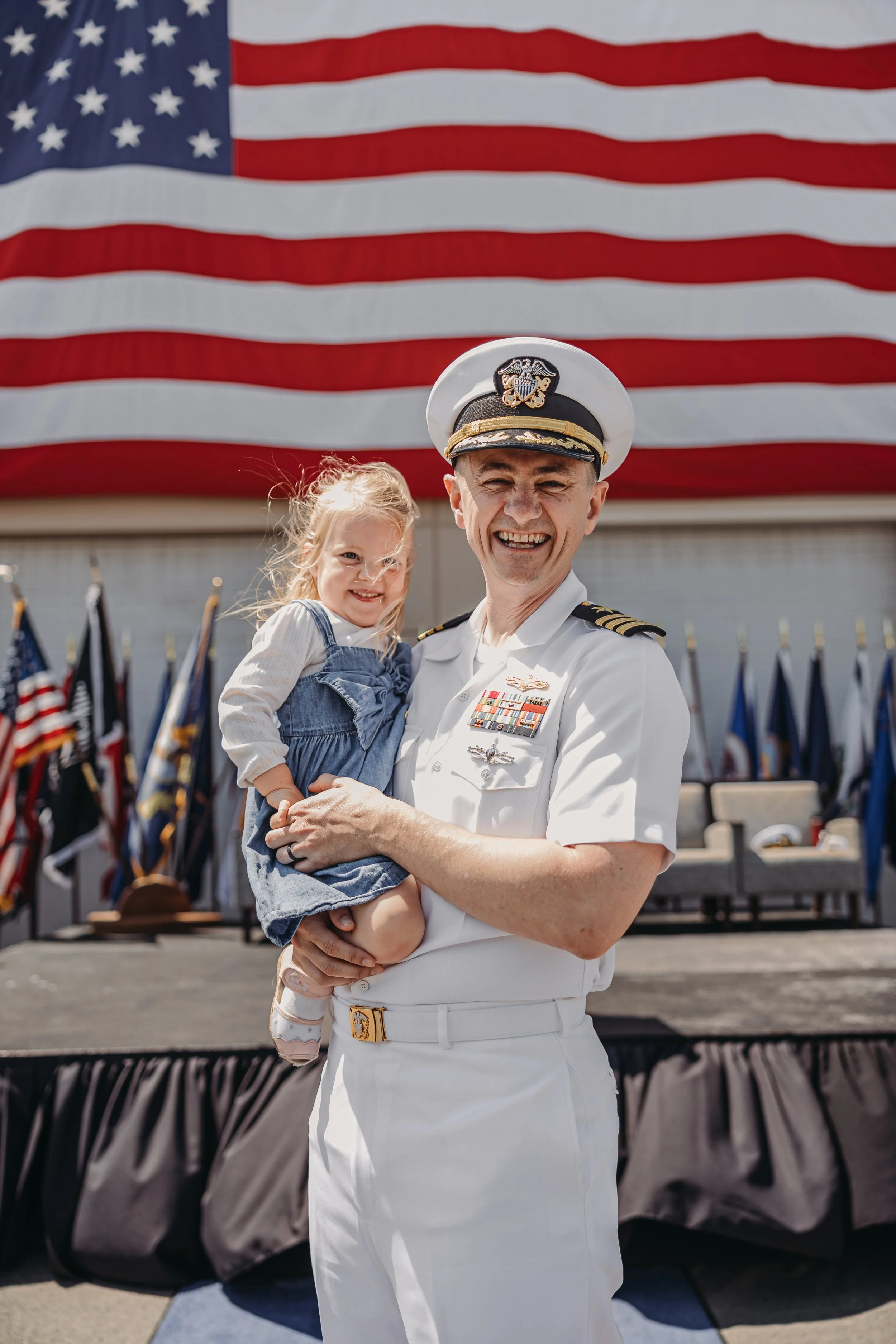
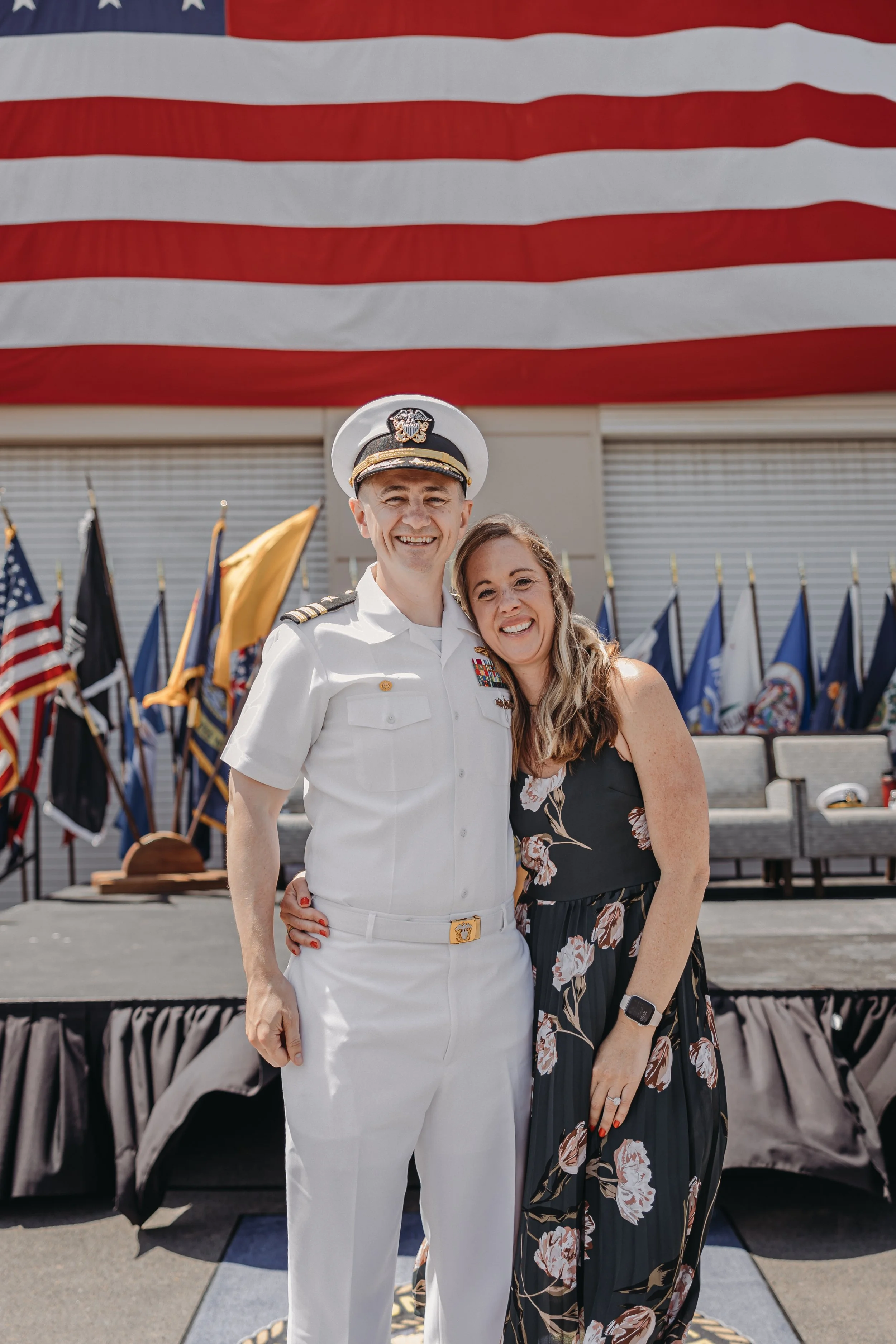
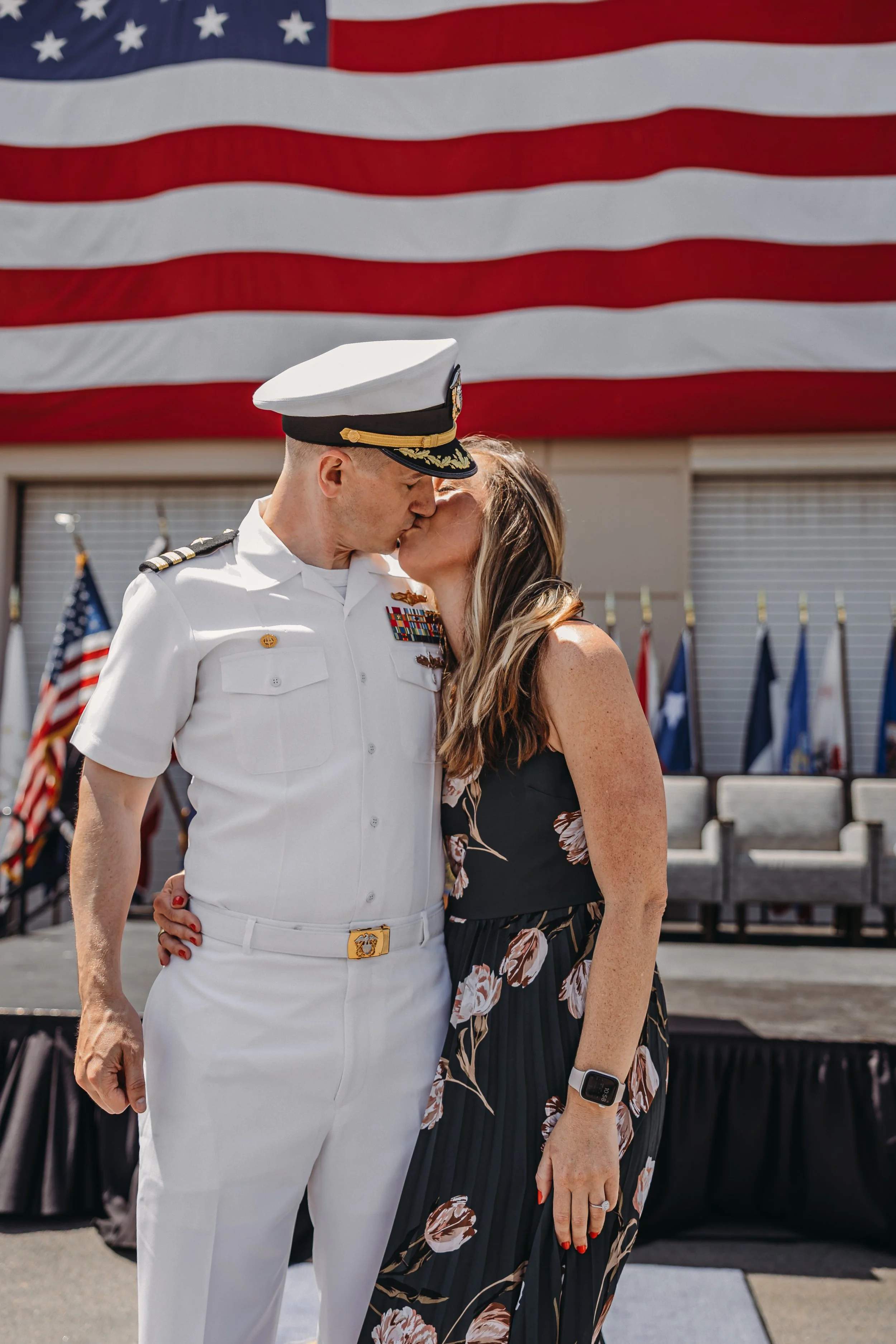
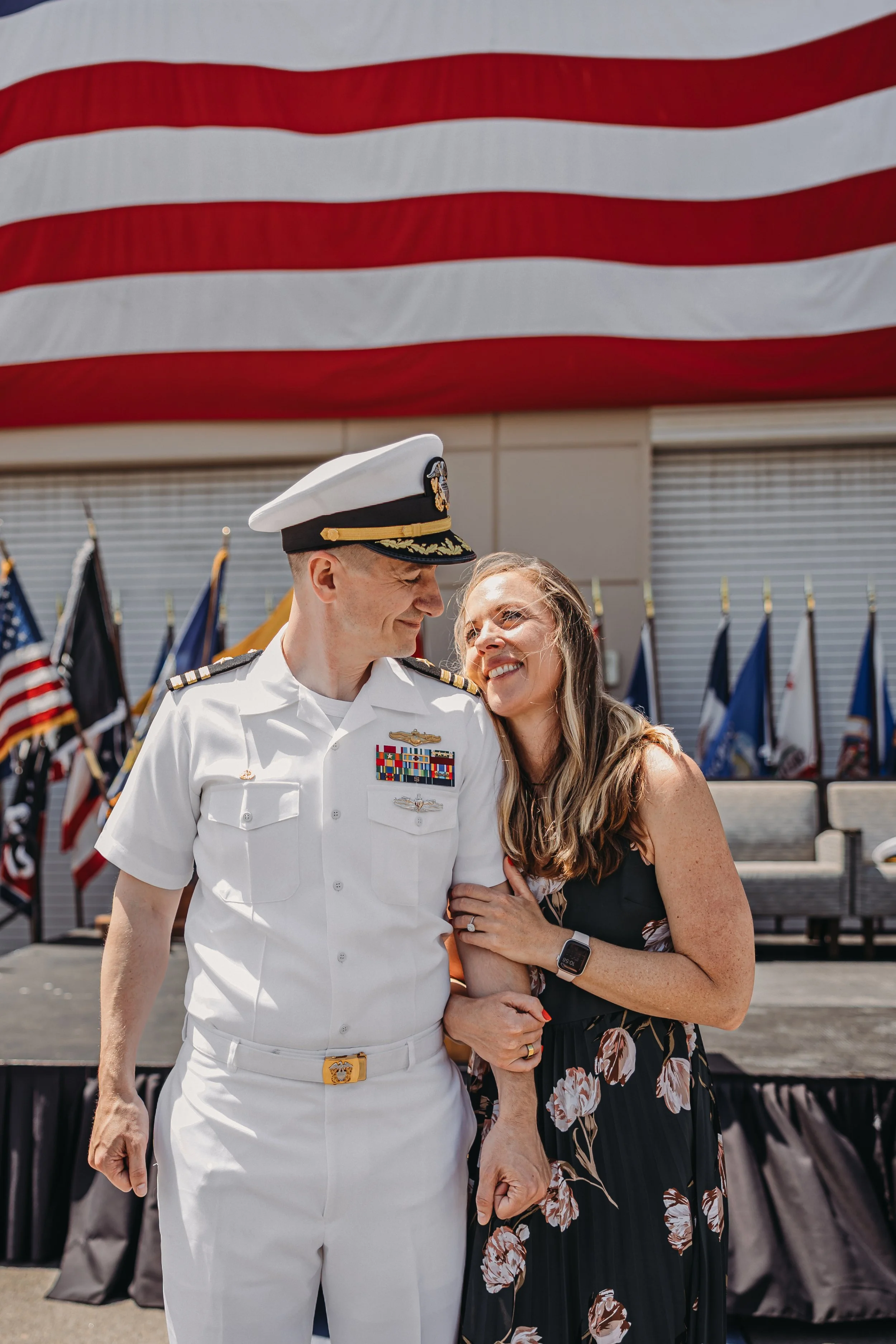
Commander, John A. Bardenhagen III Calling his wife up
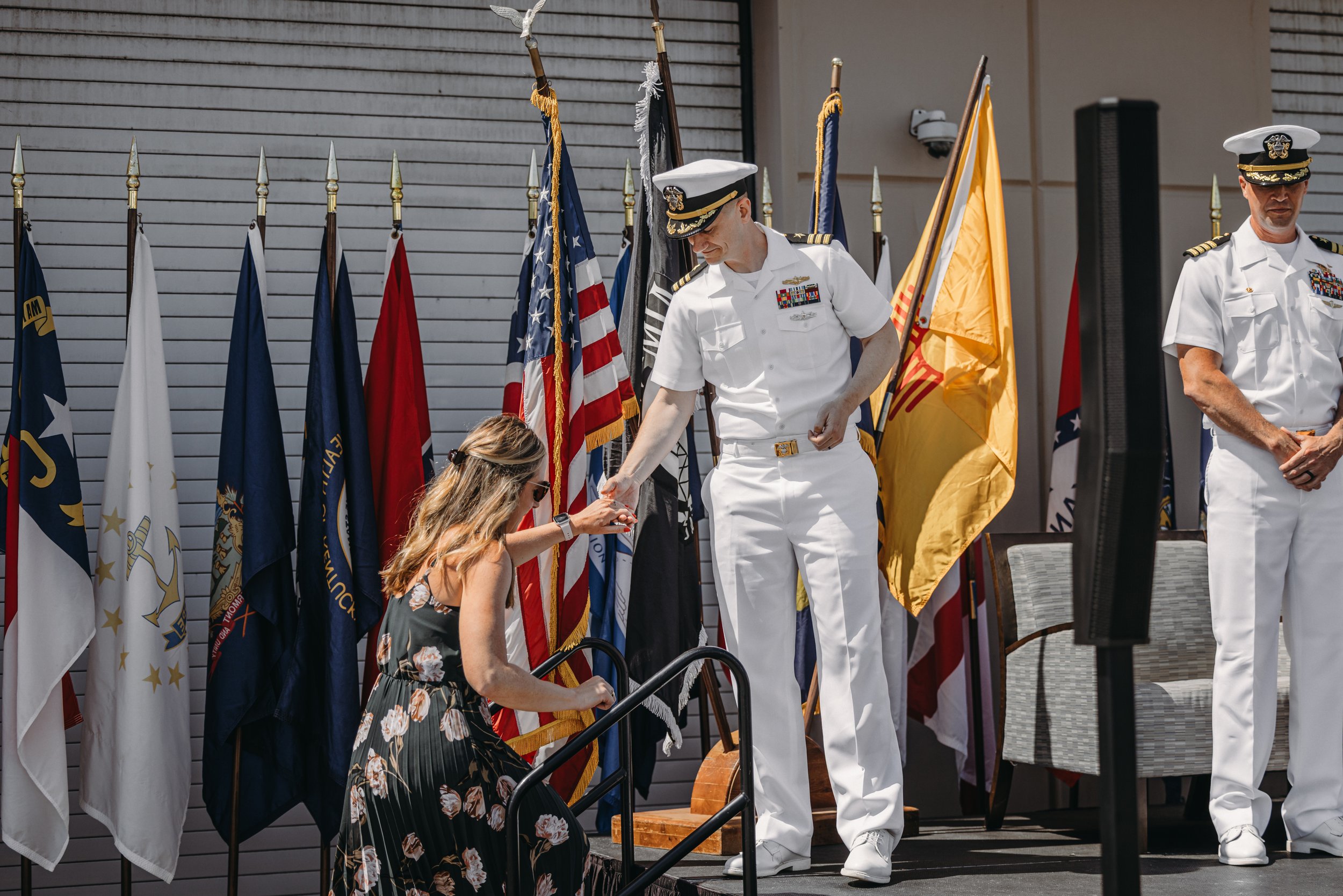
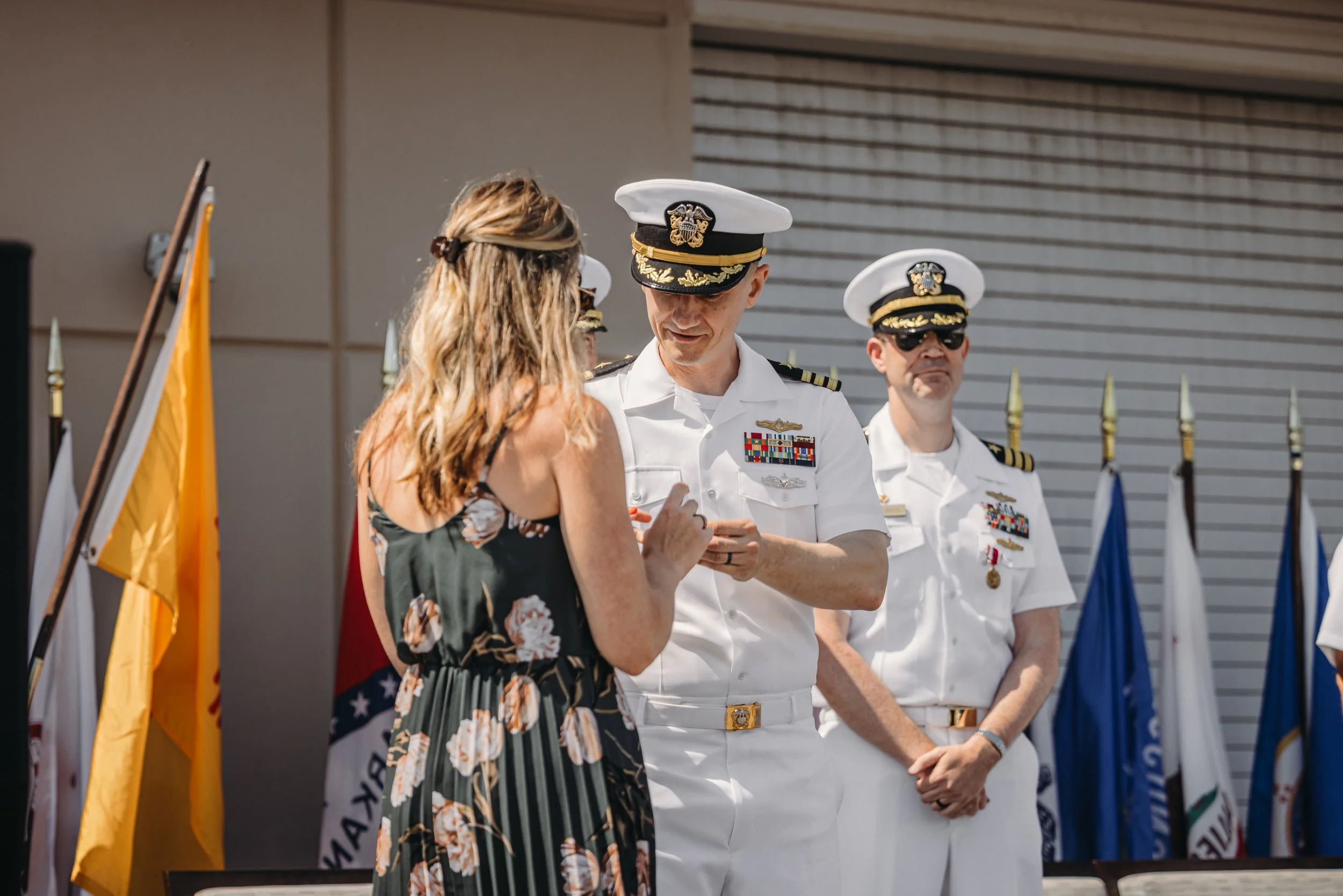
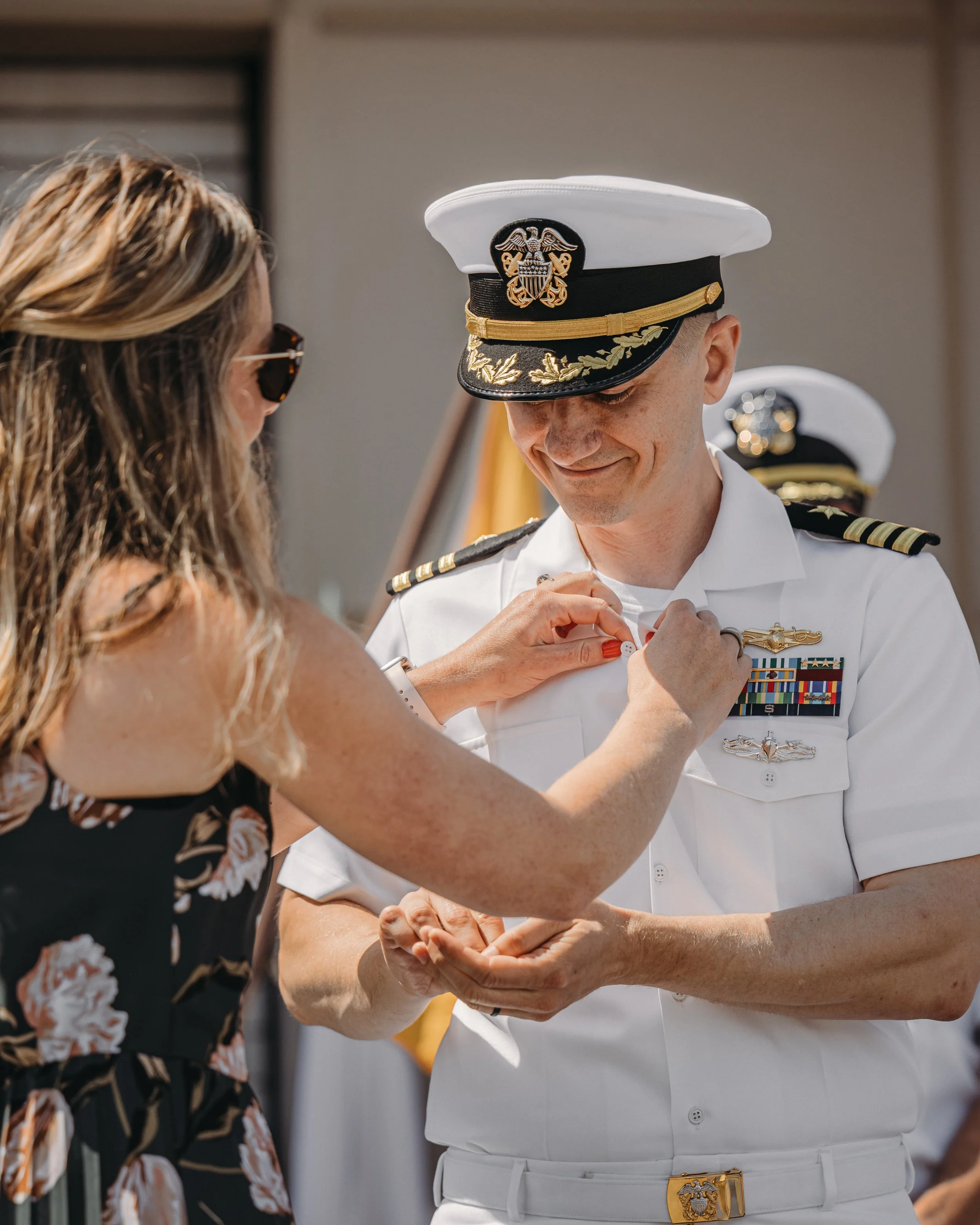
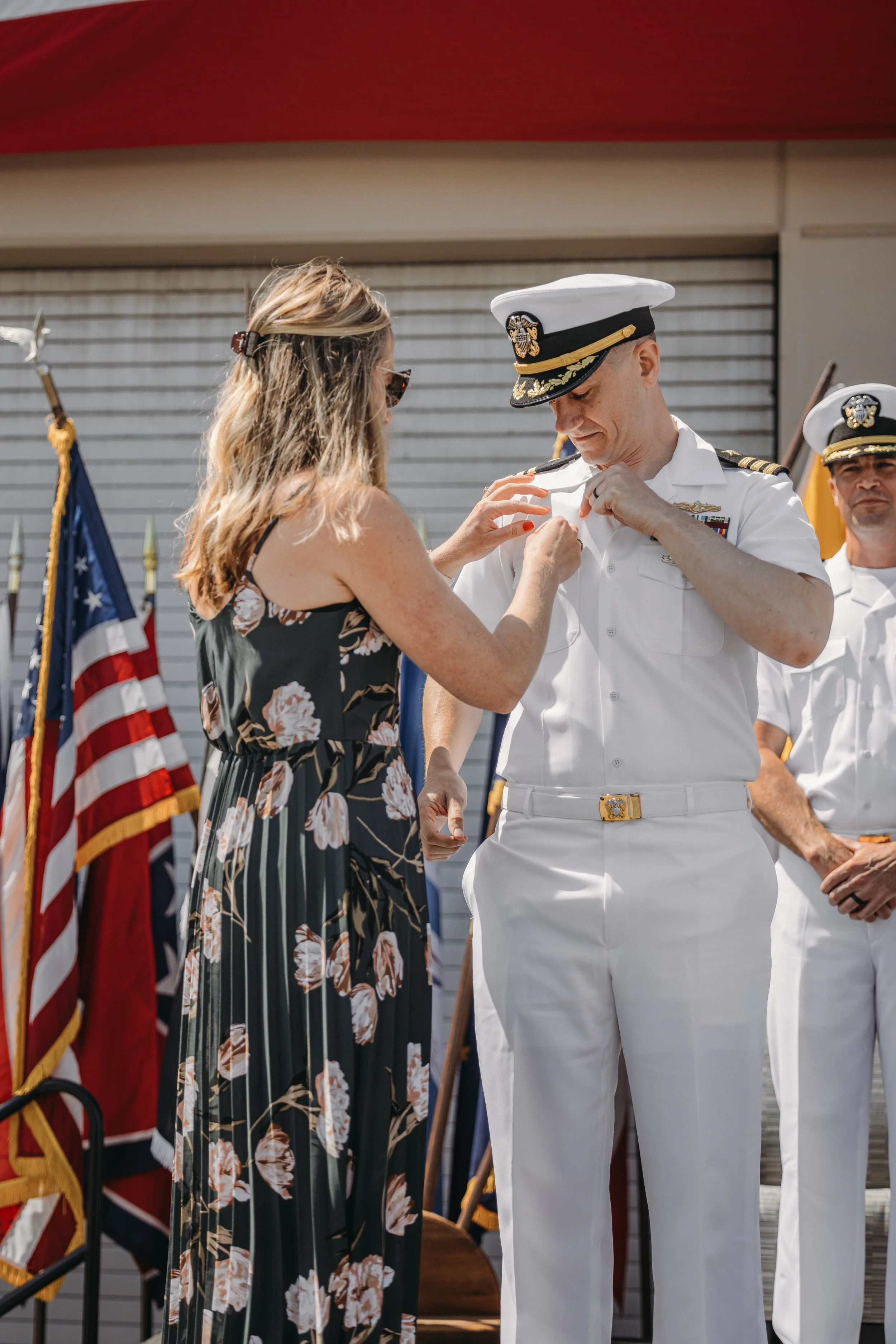
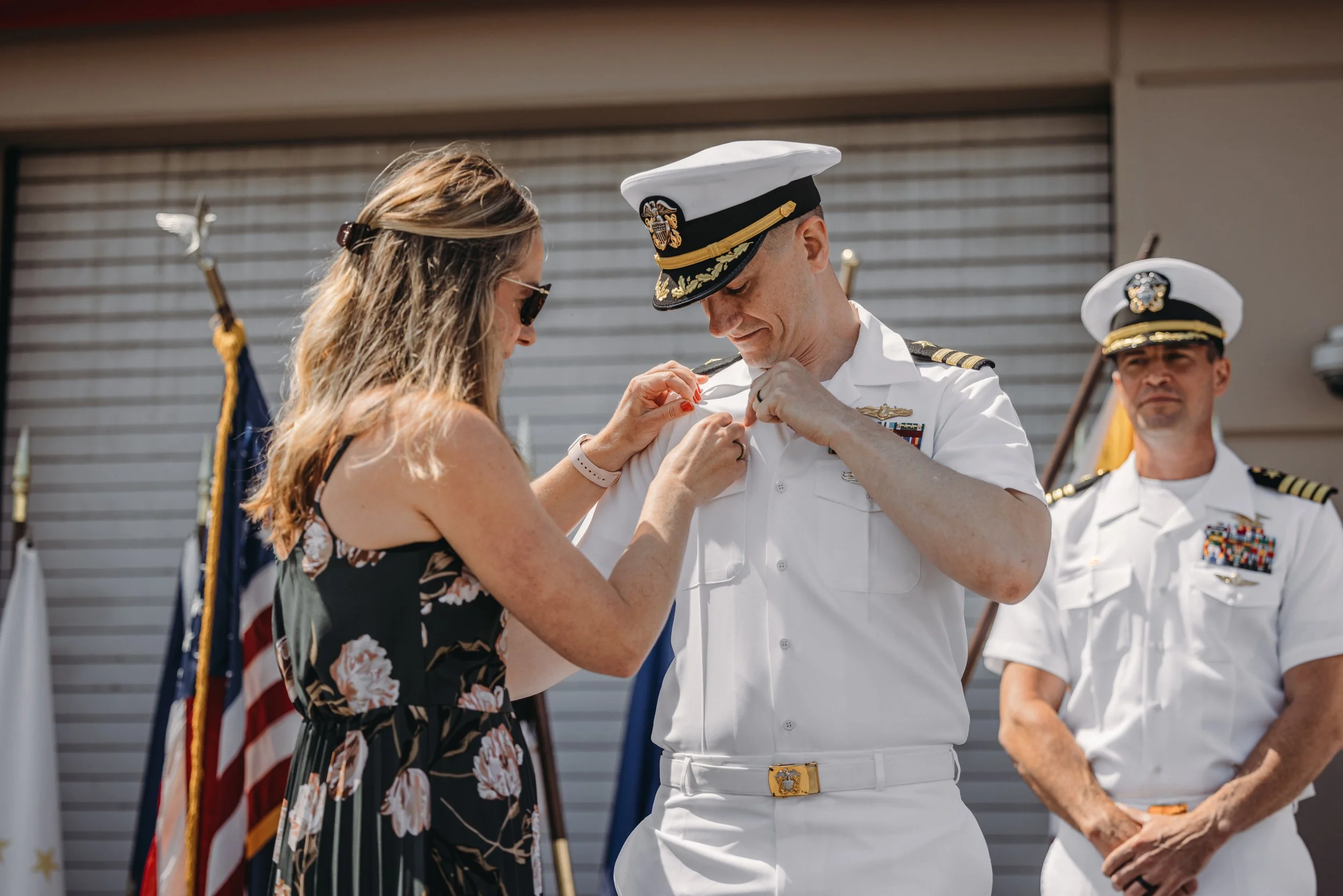
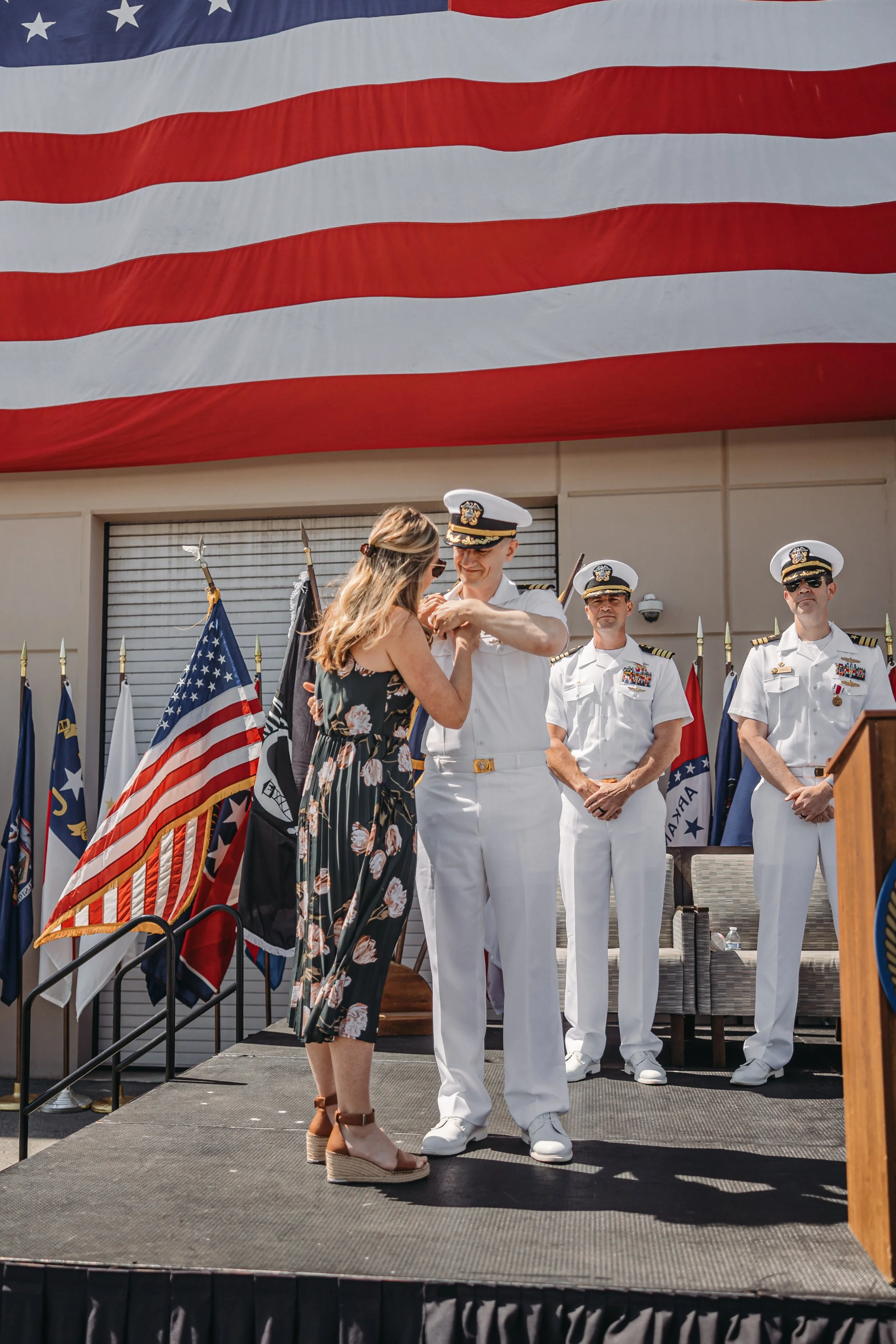
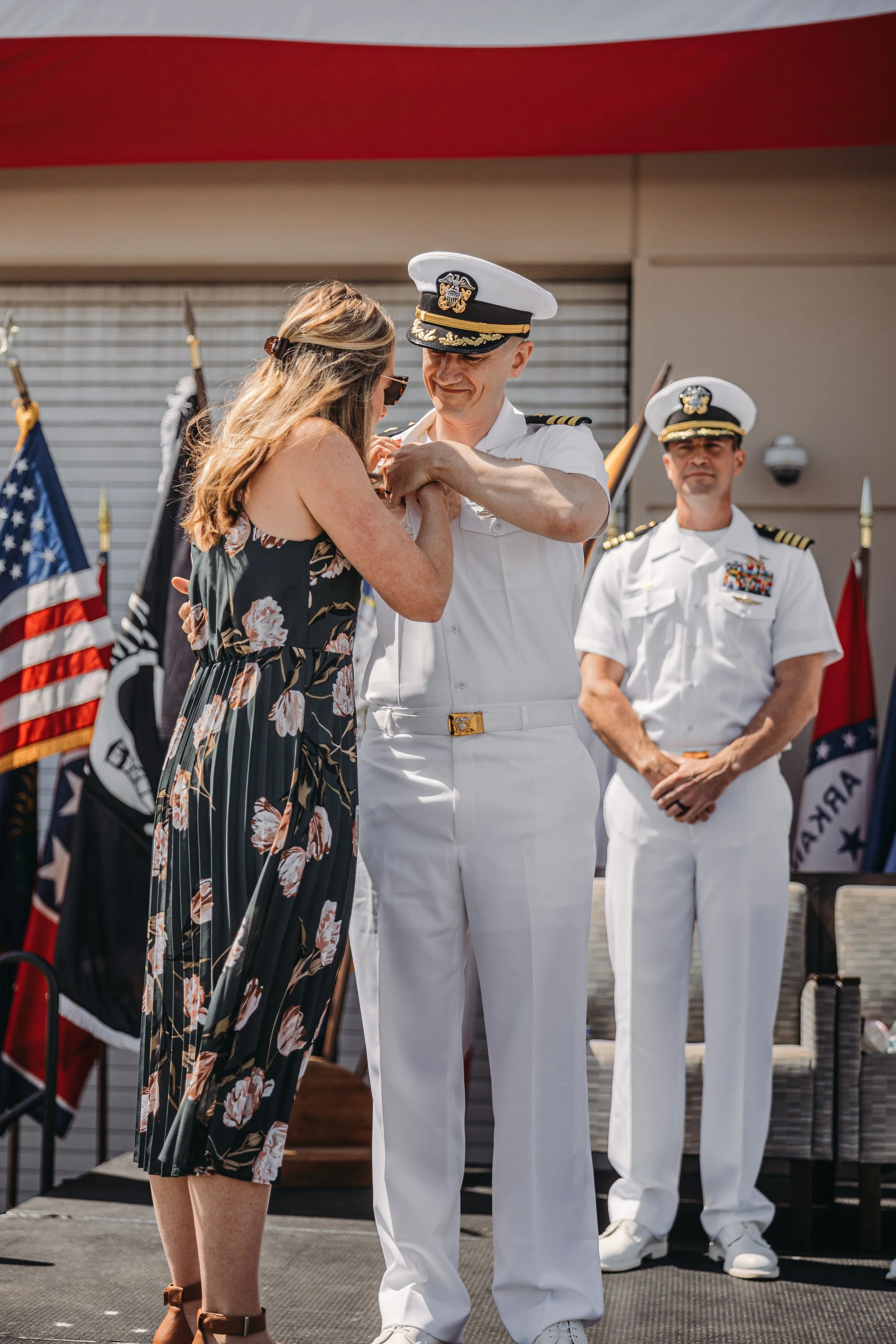
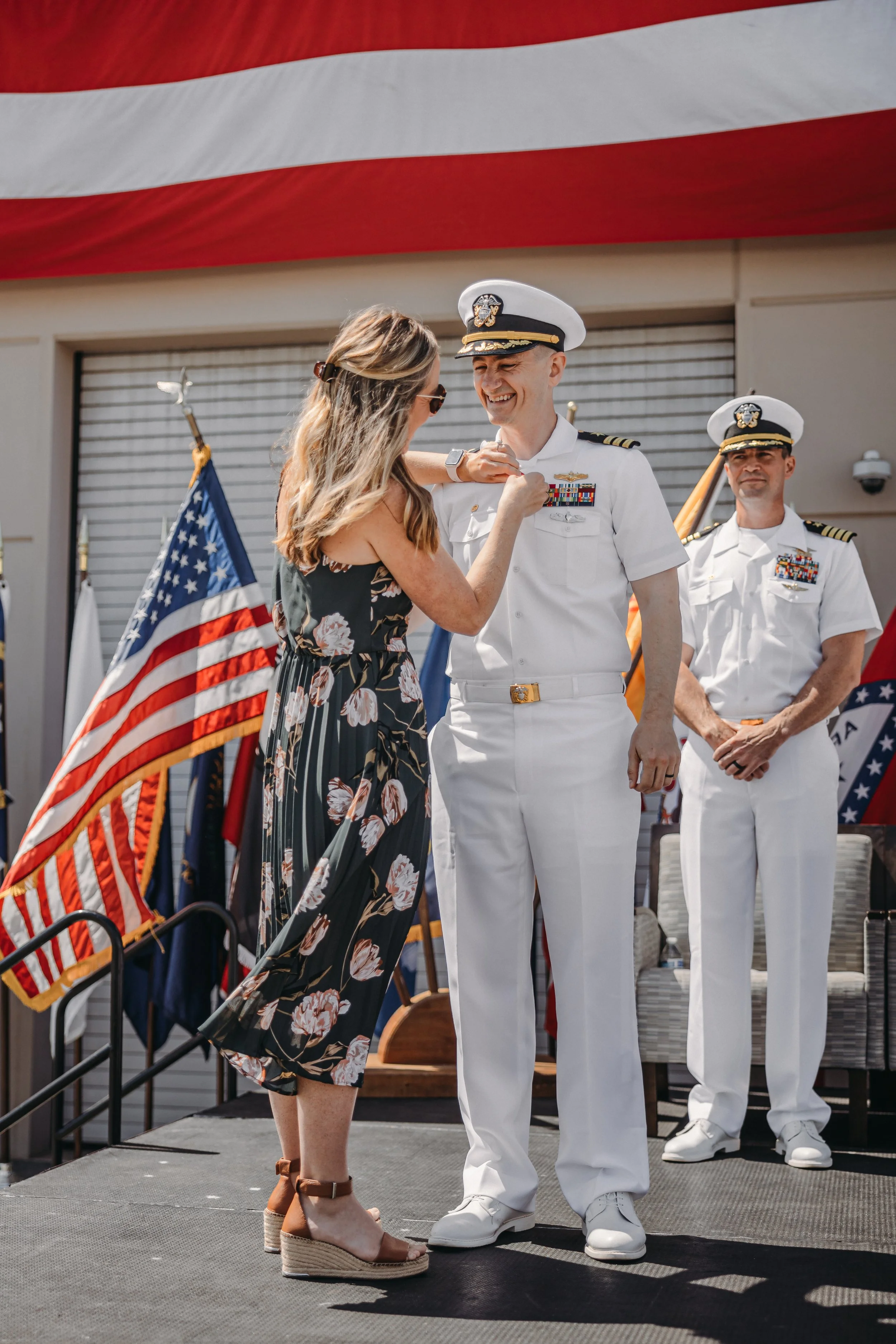
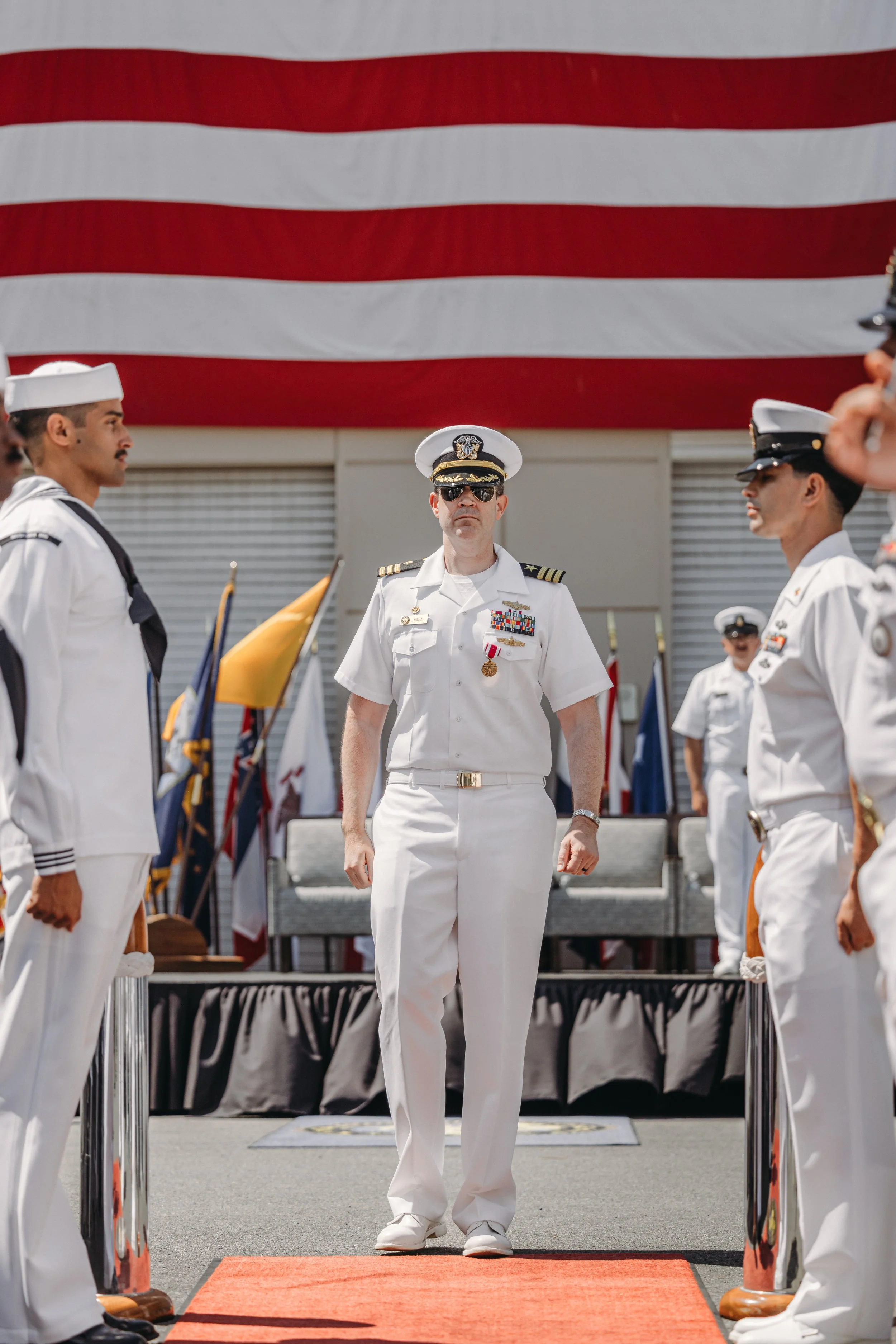
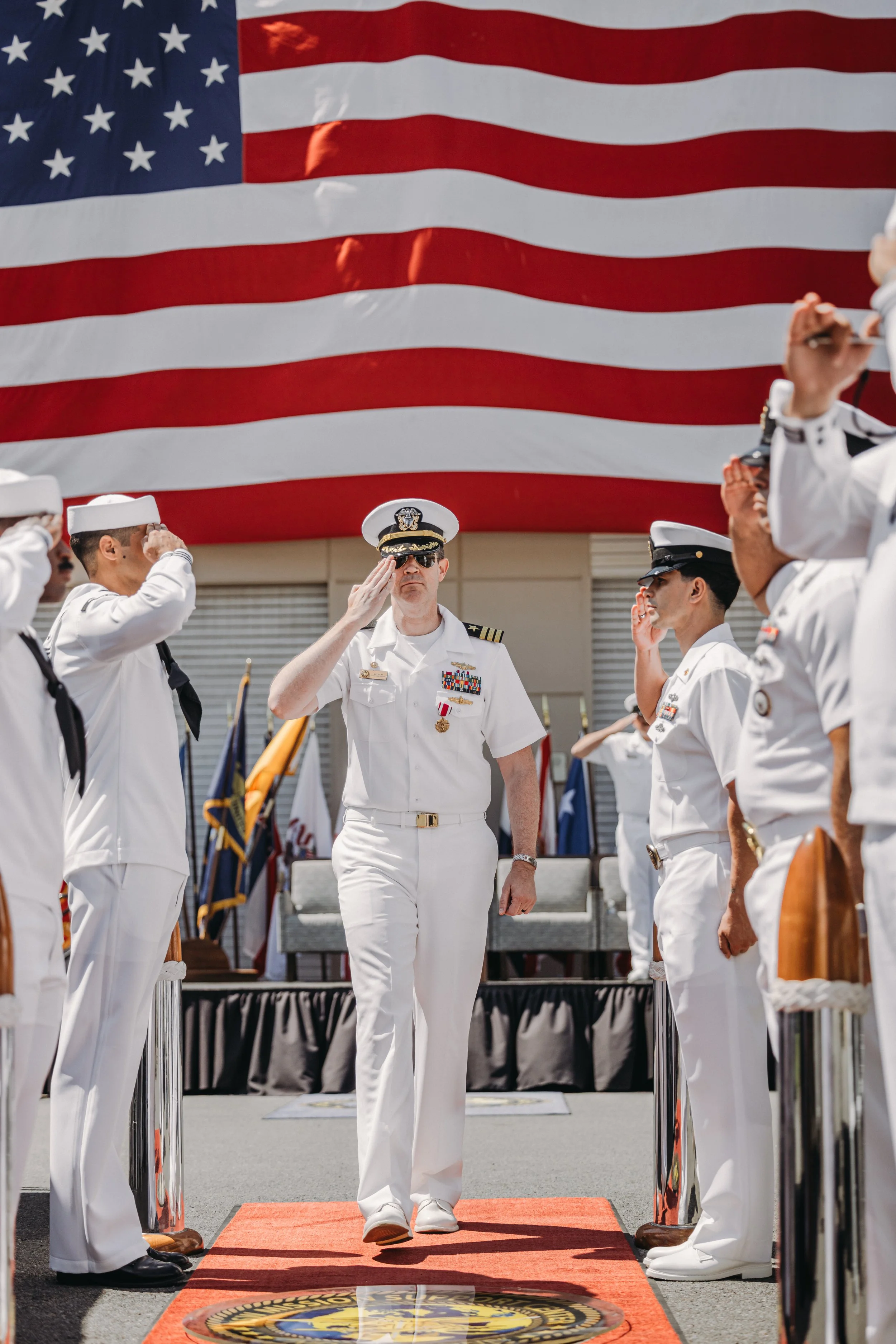
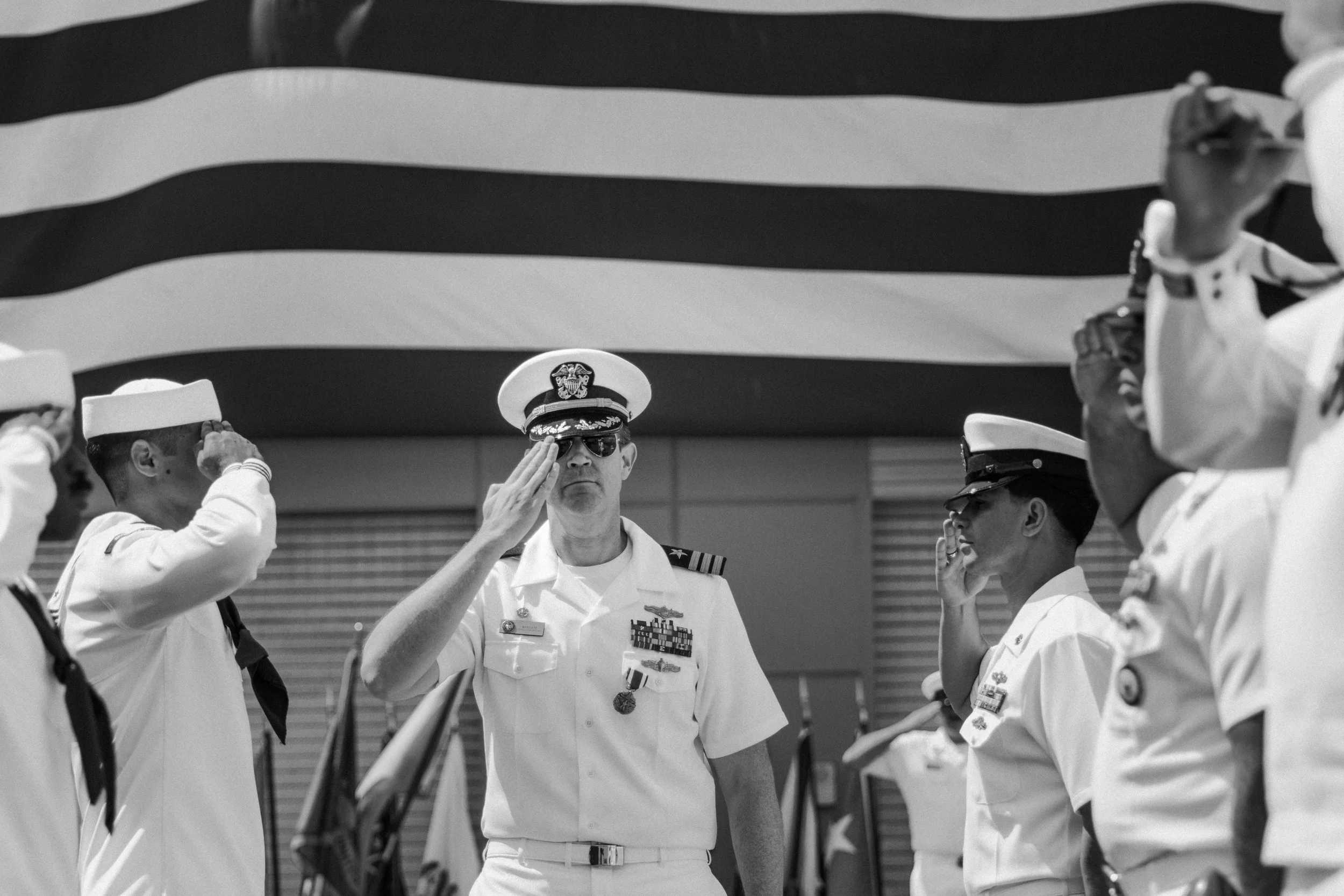
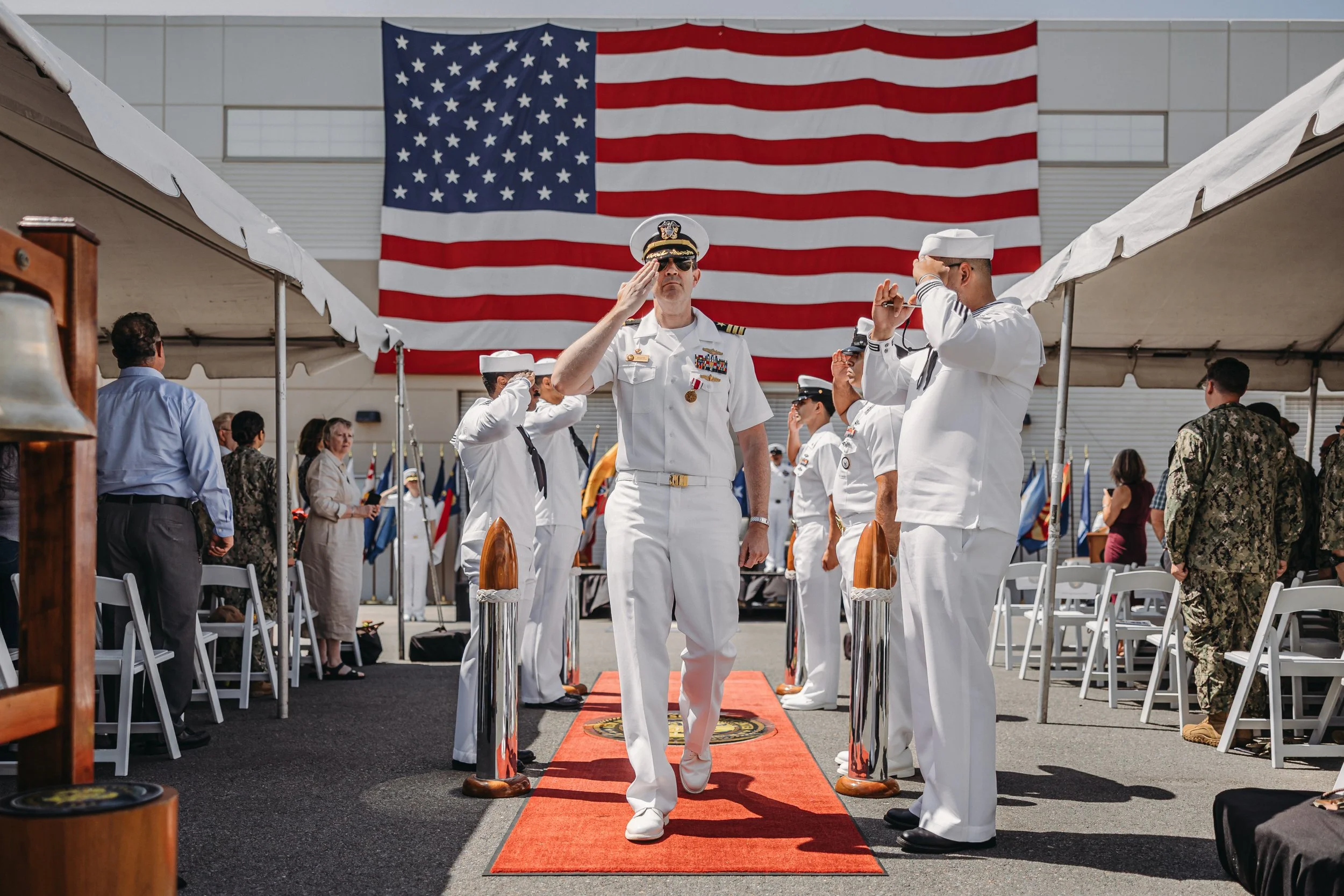
Departing
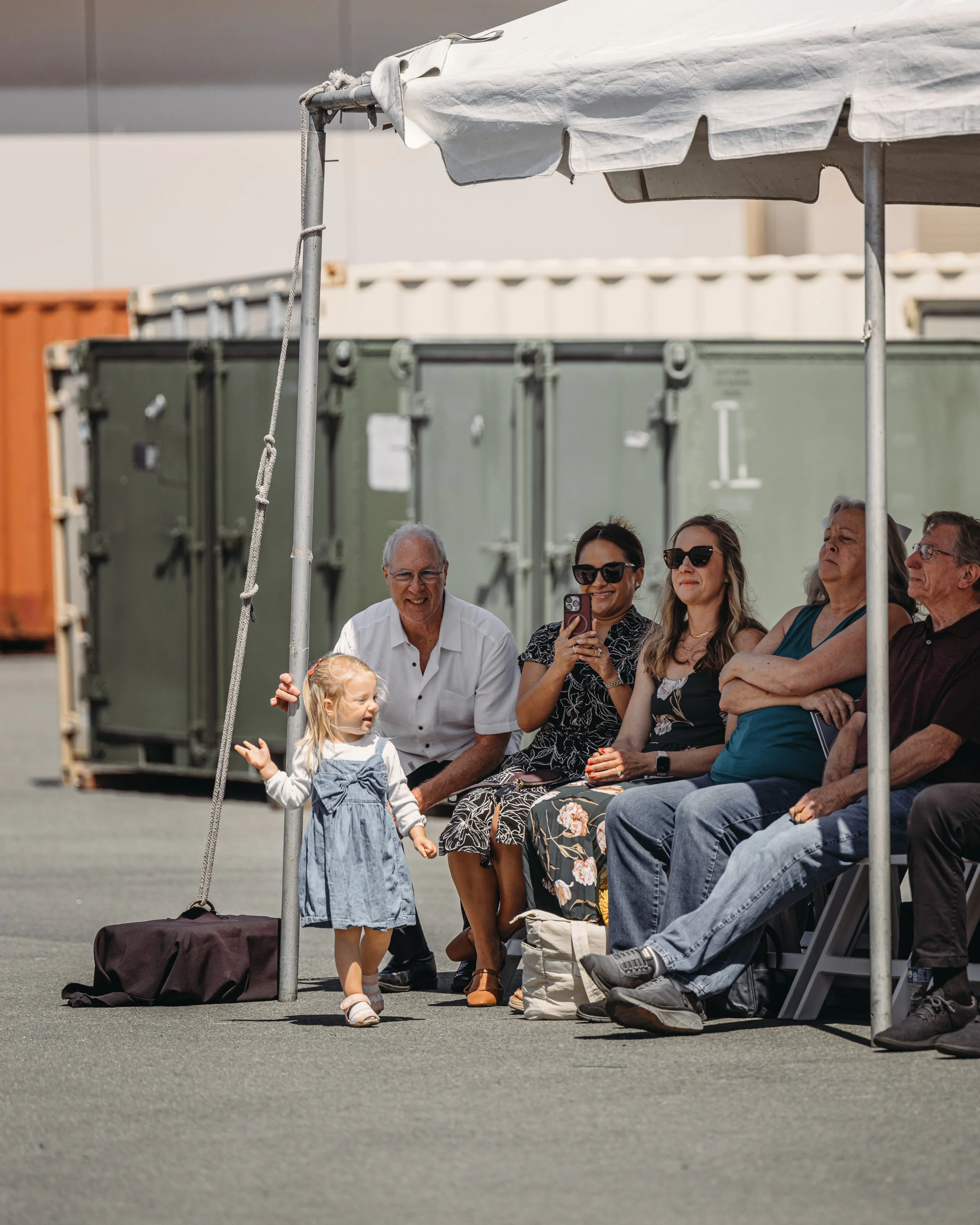
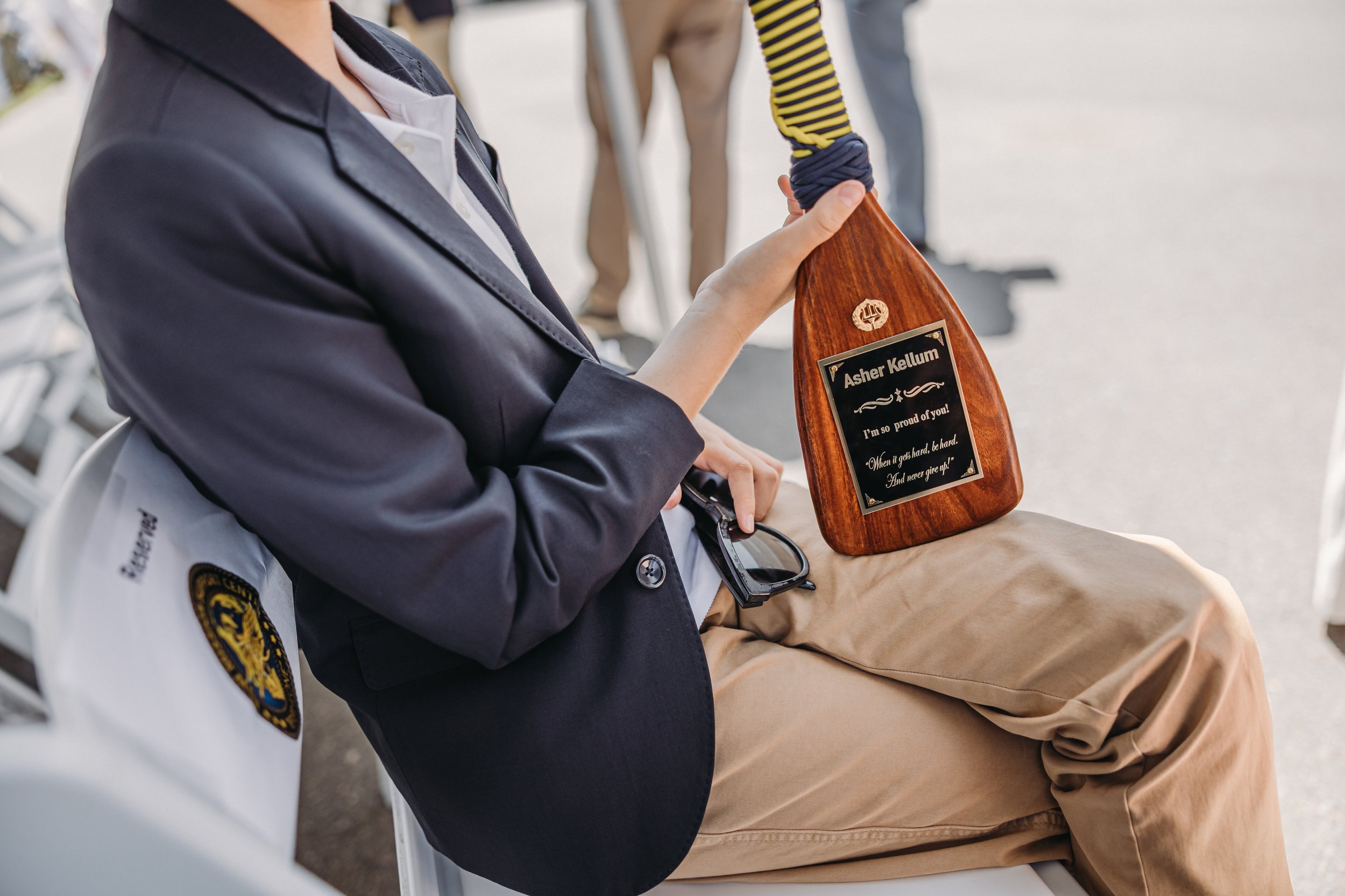
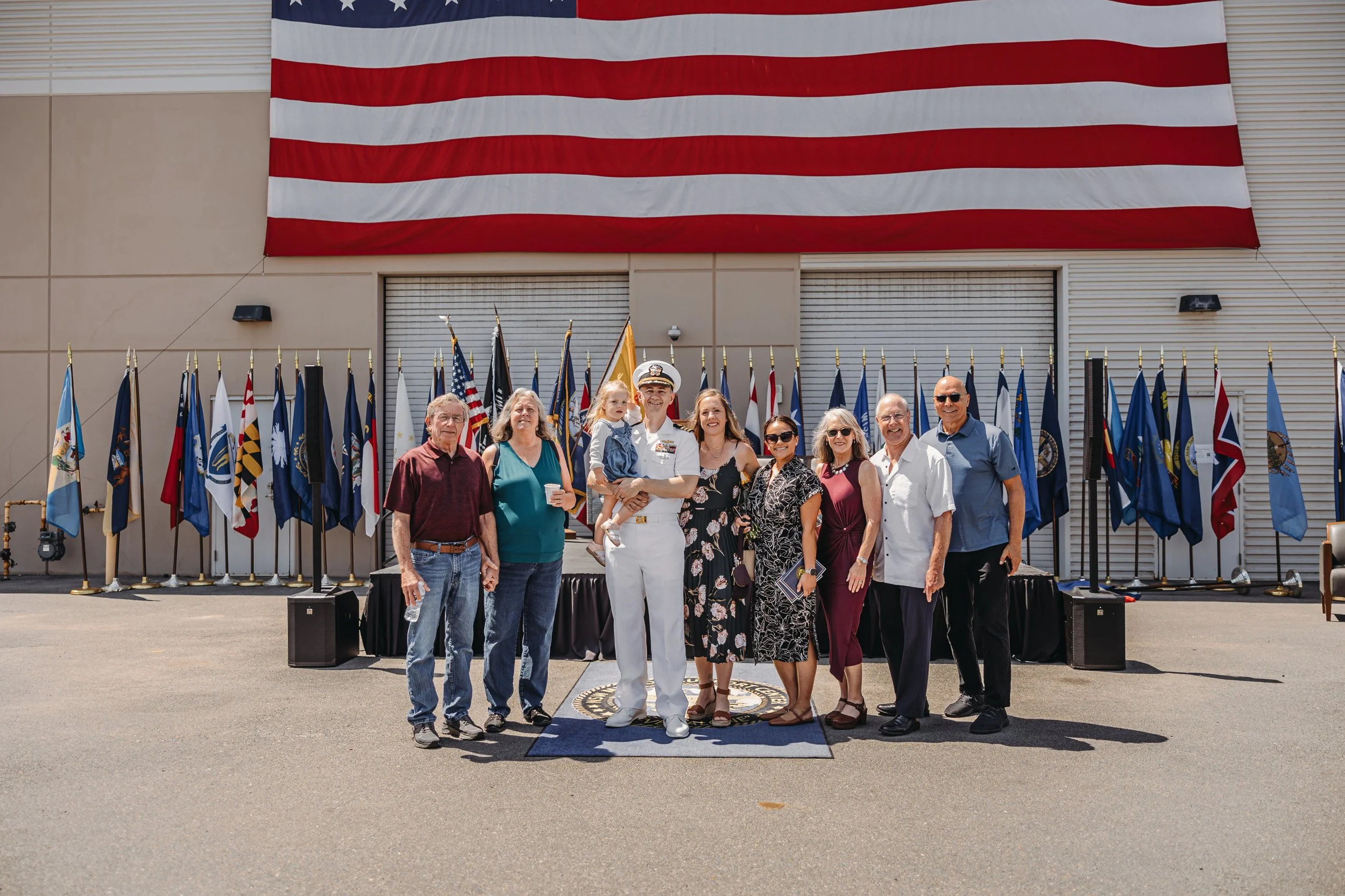
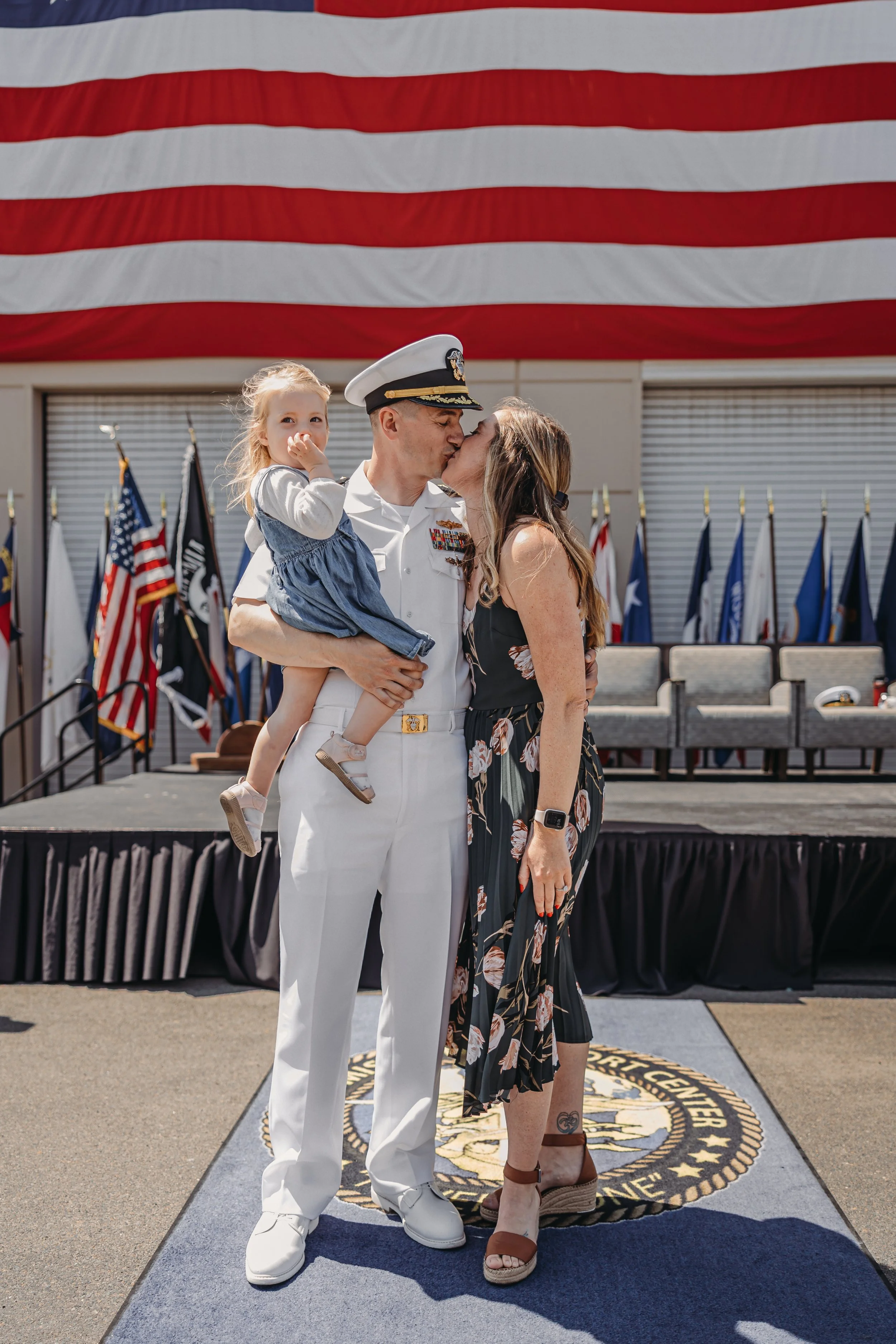
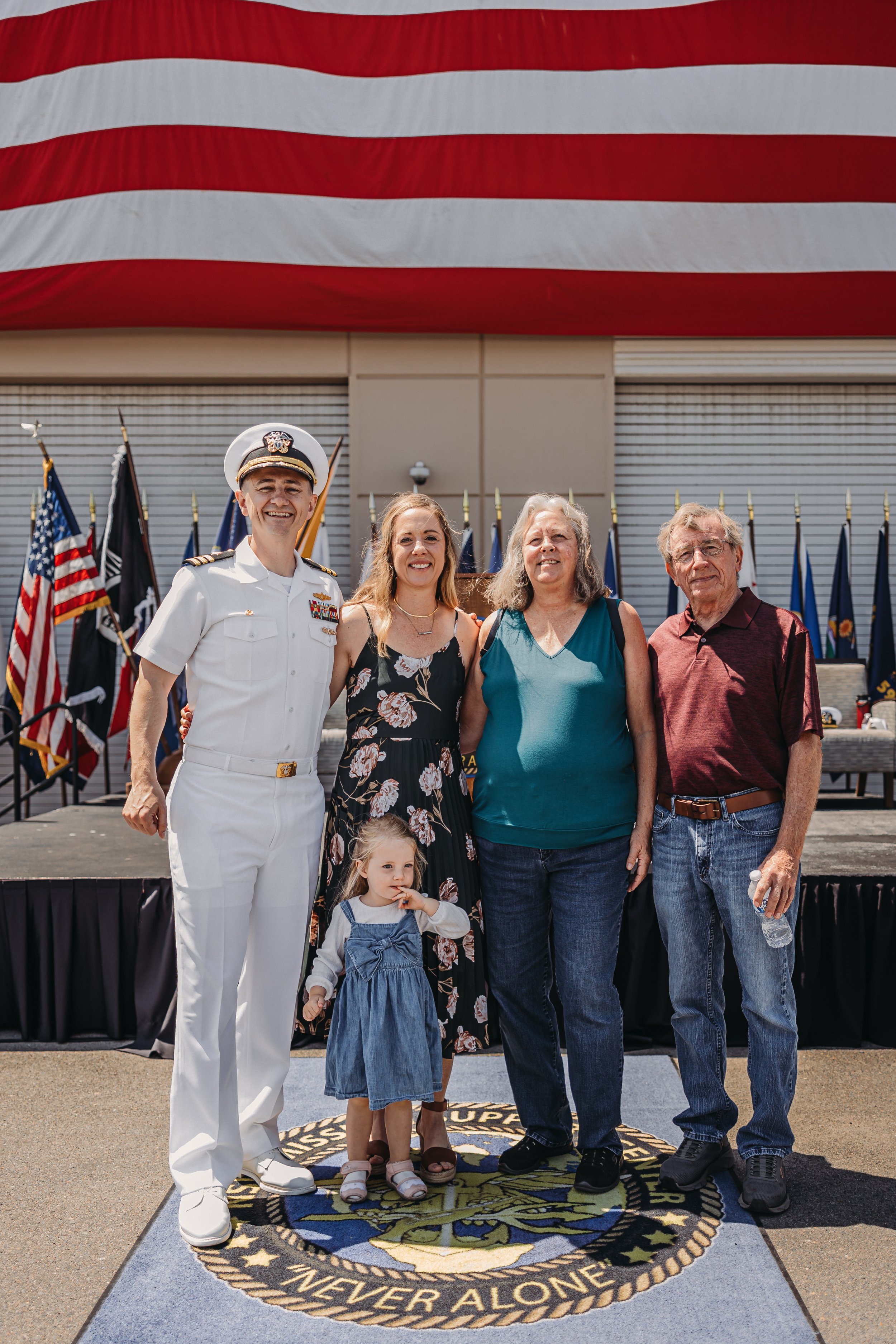
Family Photos & Gifts
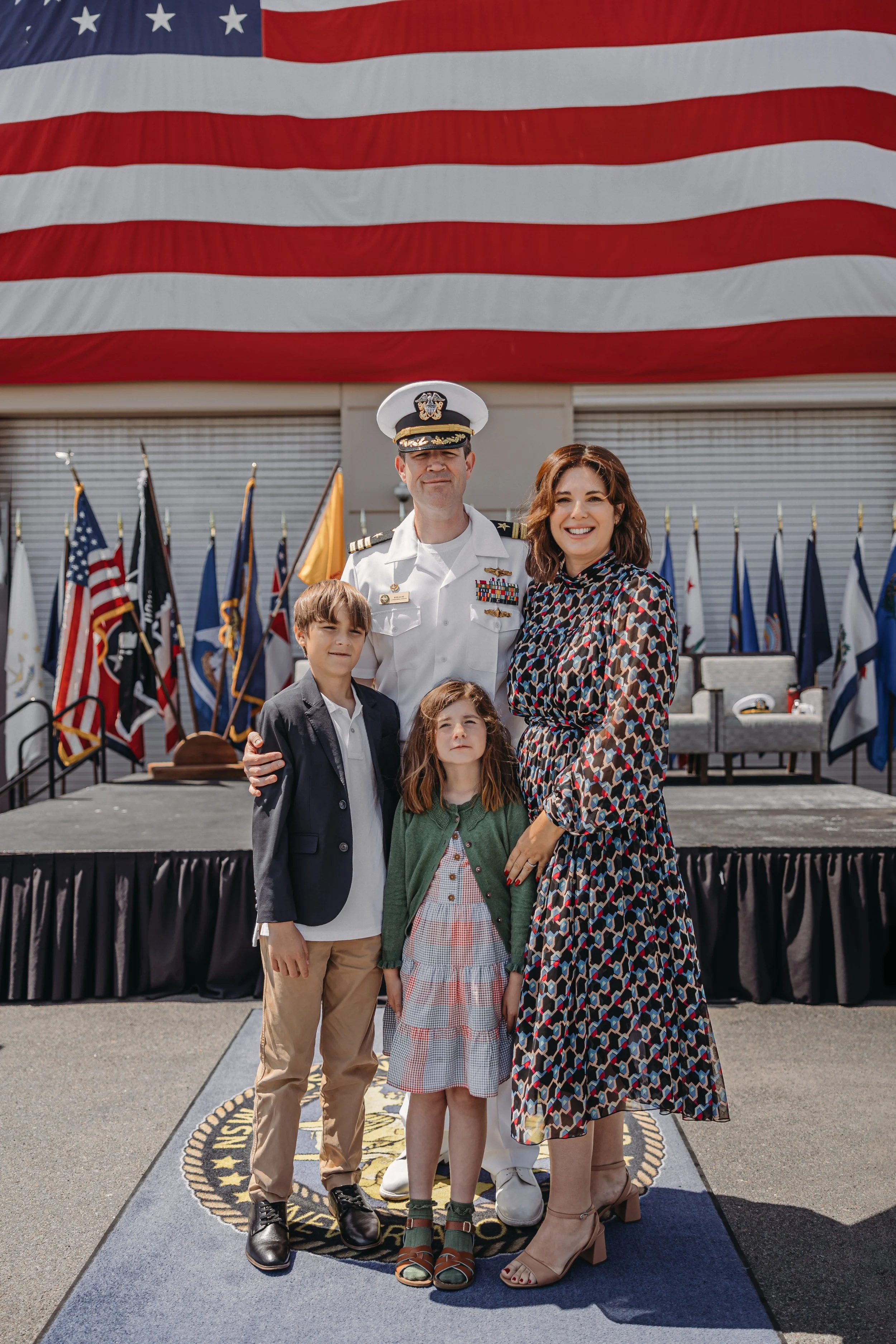
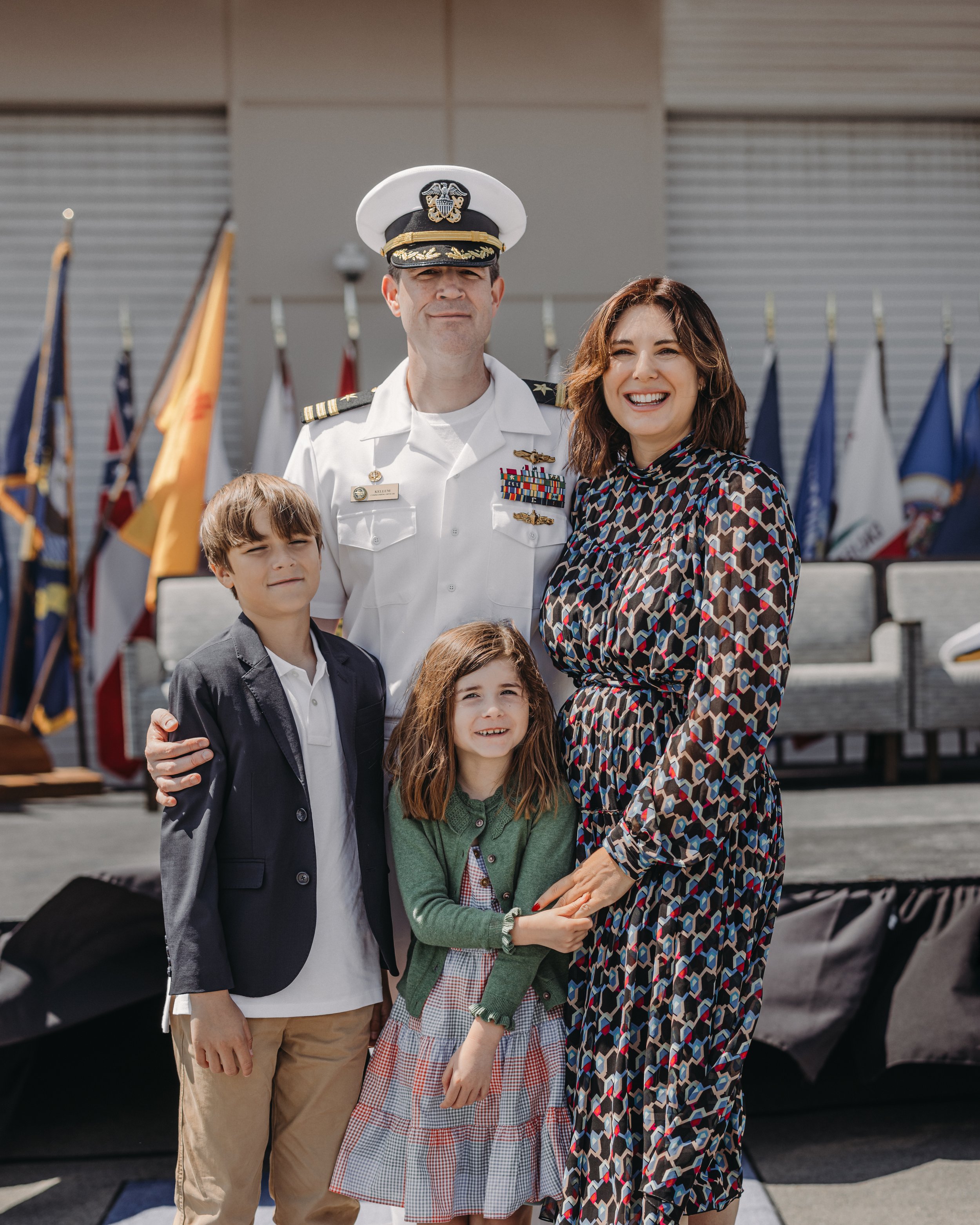
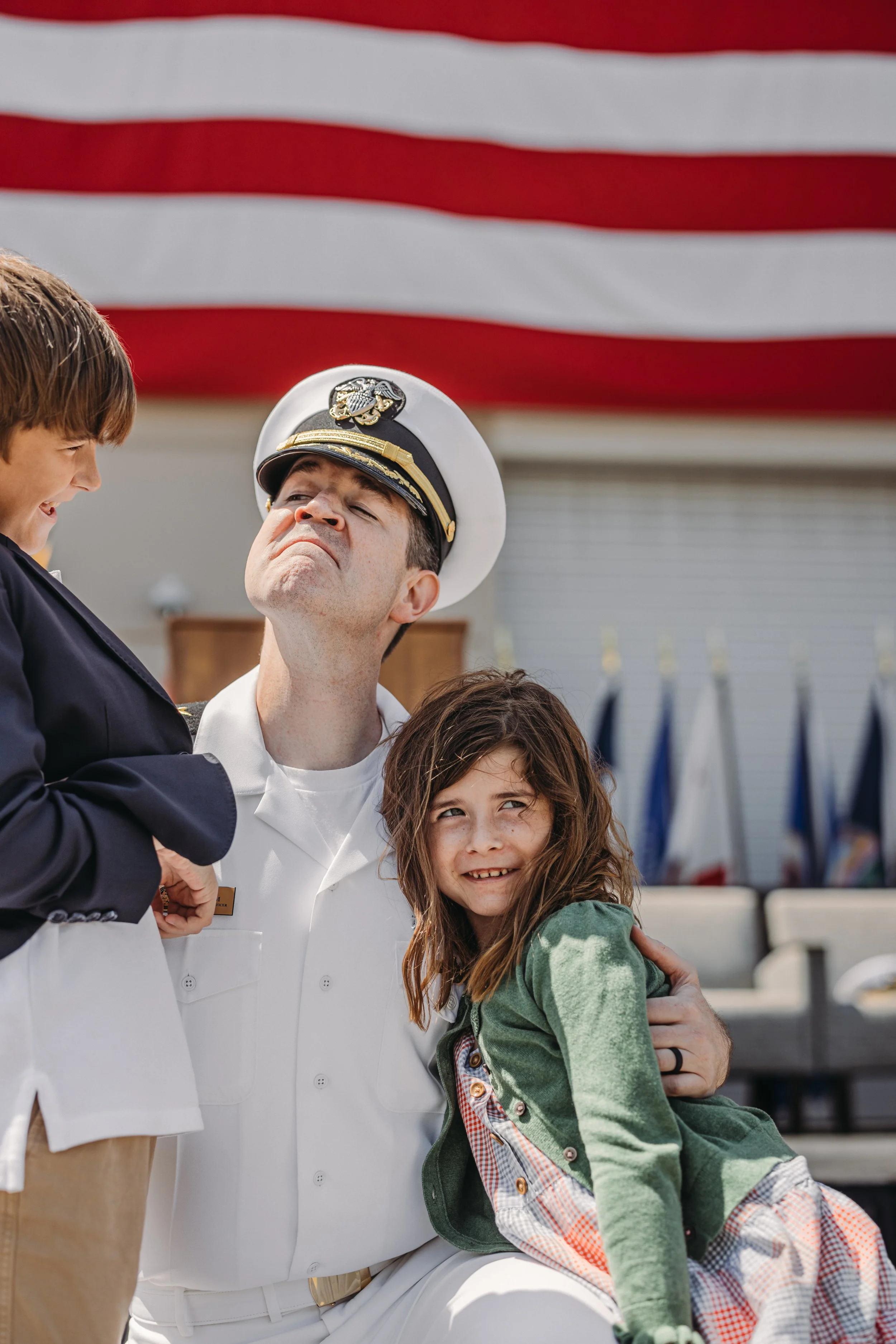
Bardenhagen Family

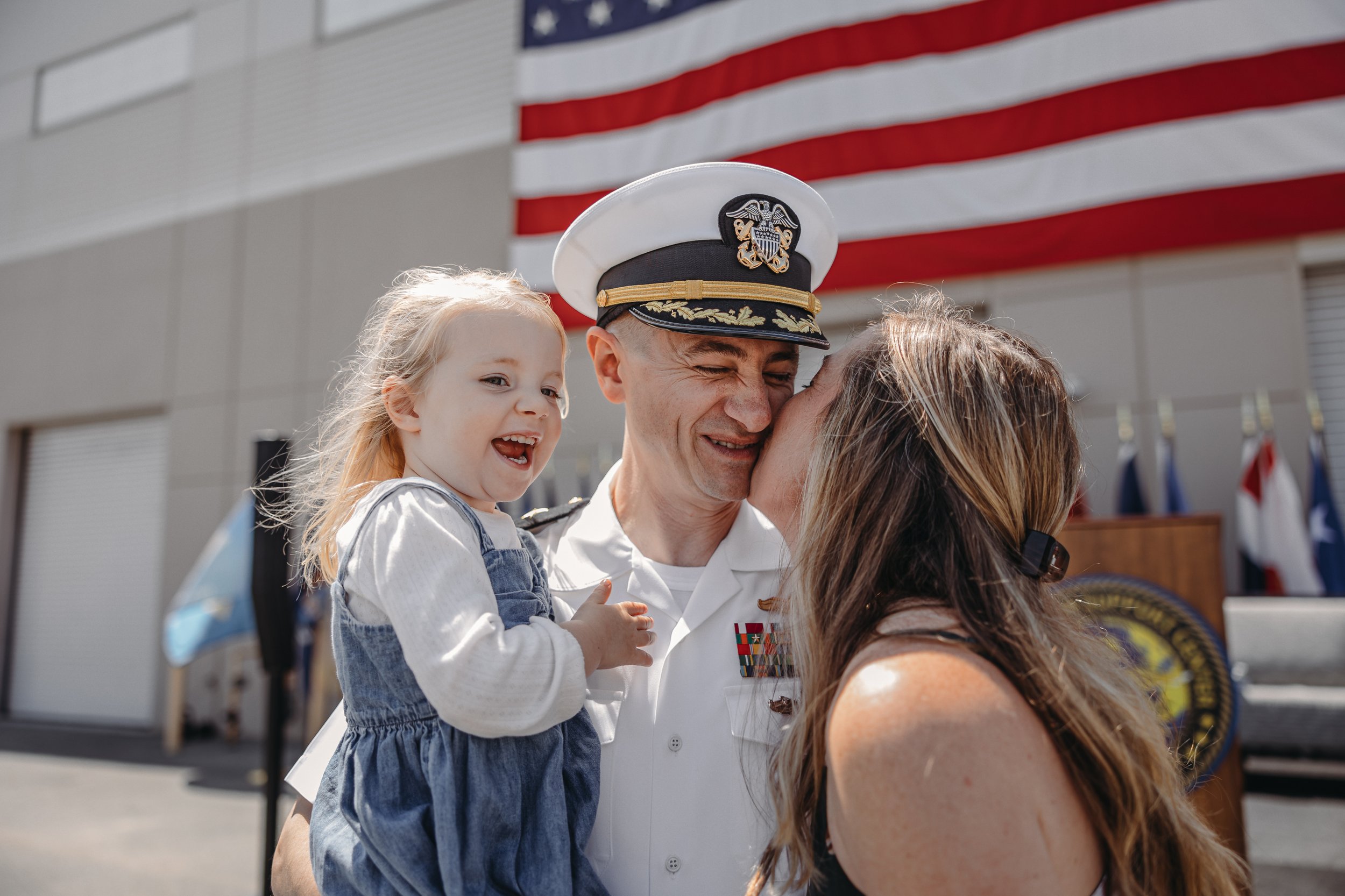
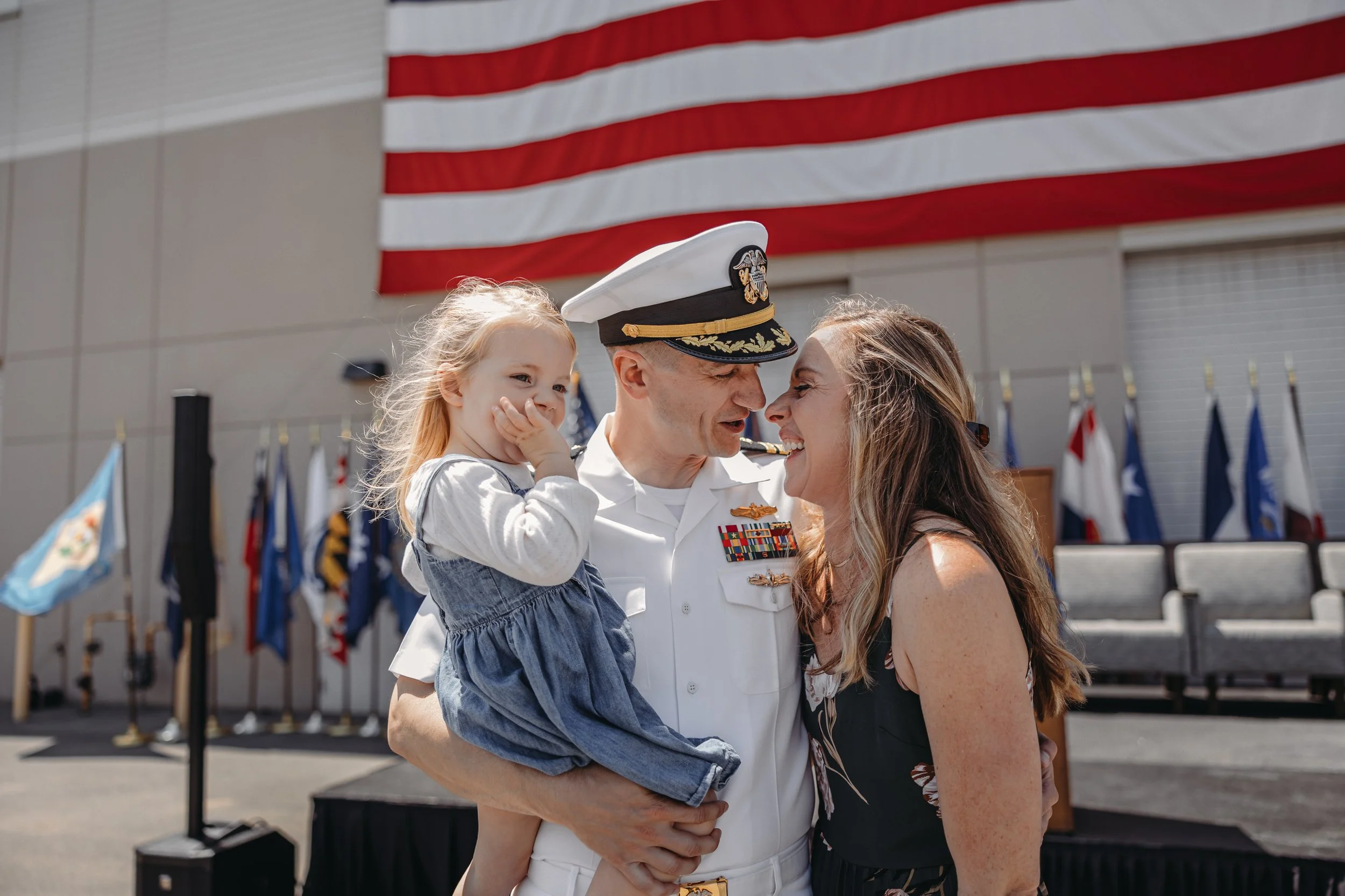
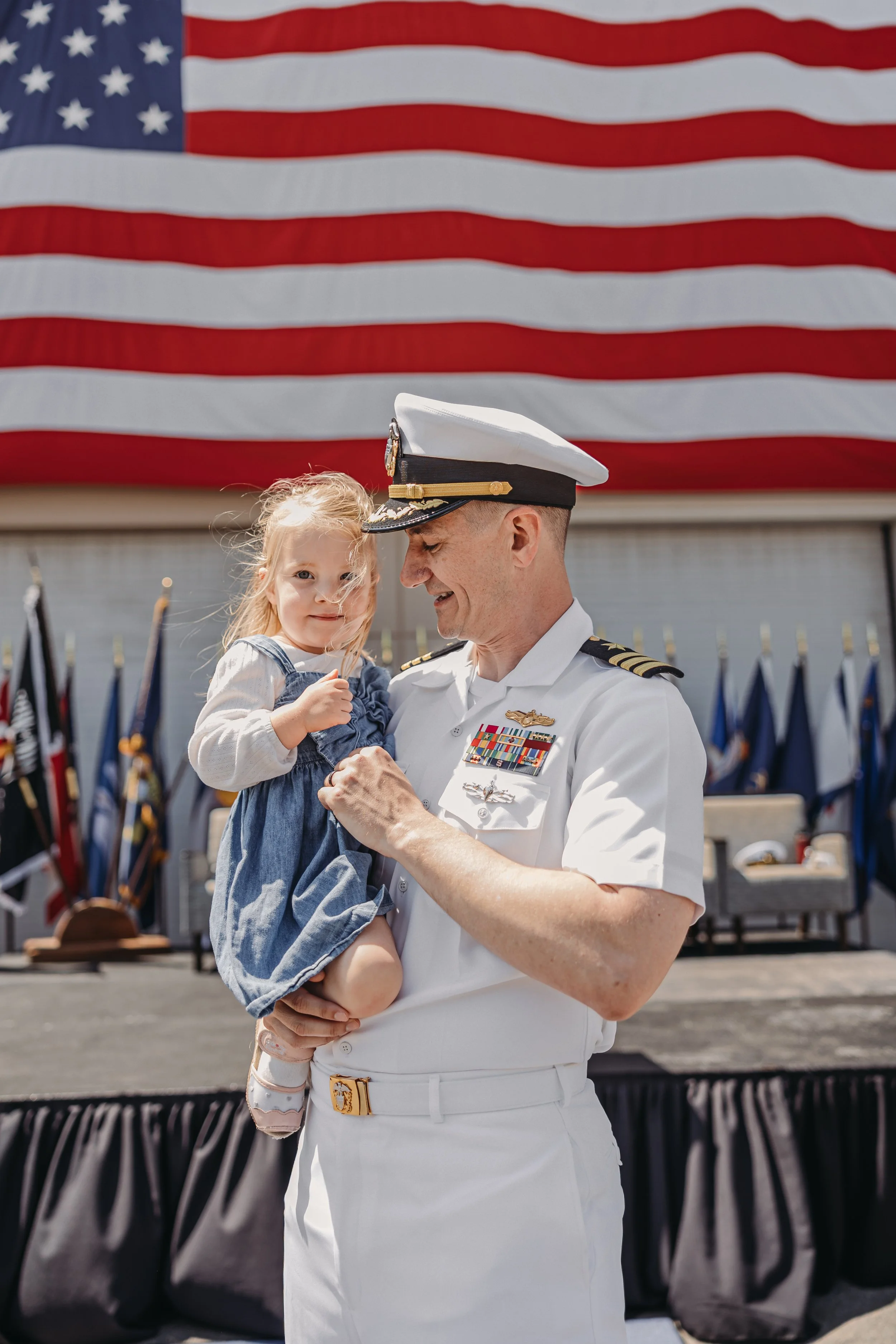
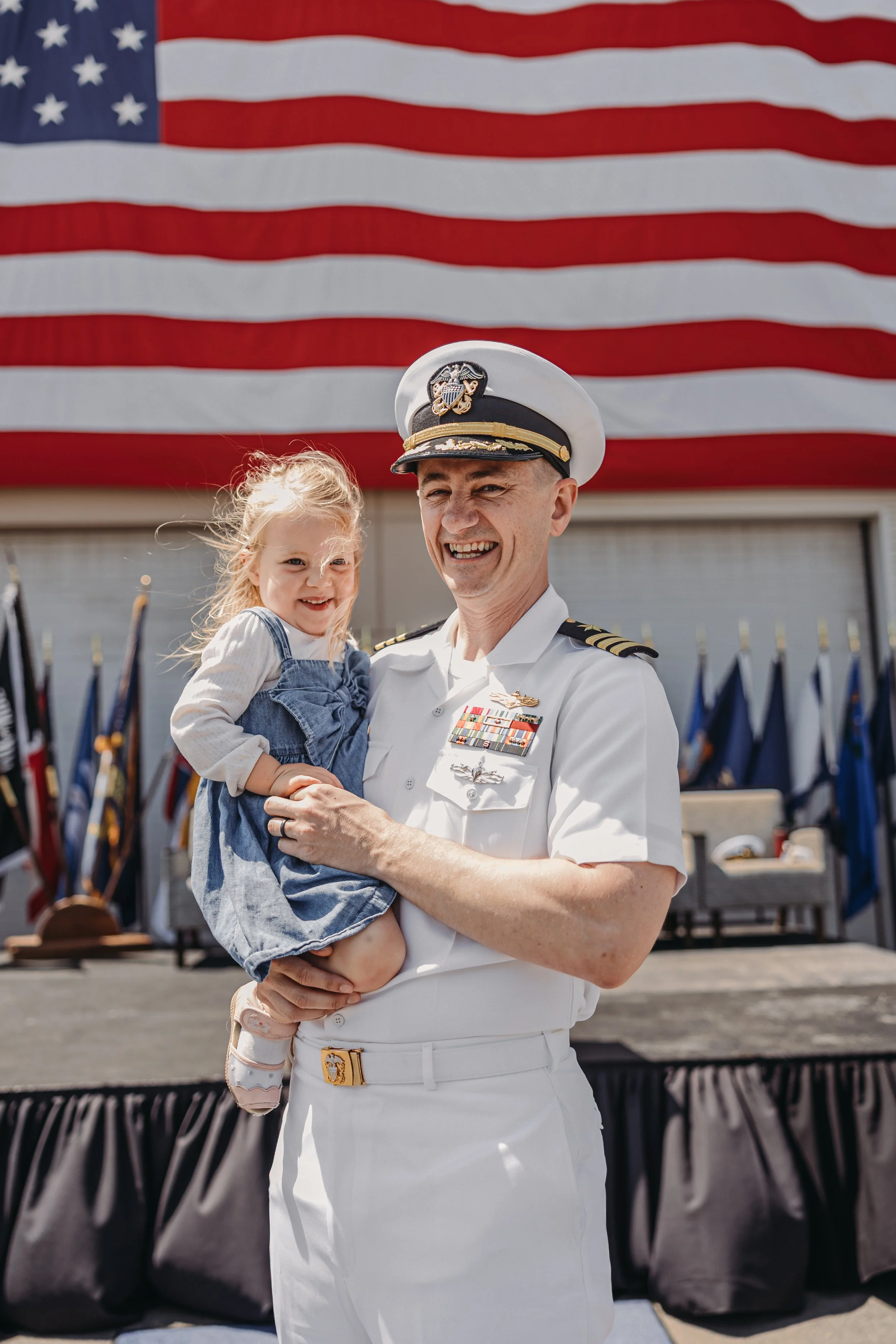
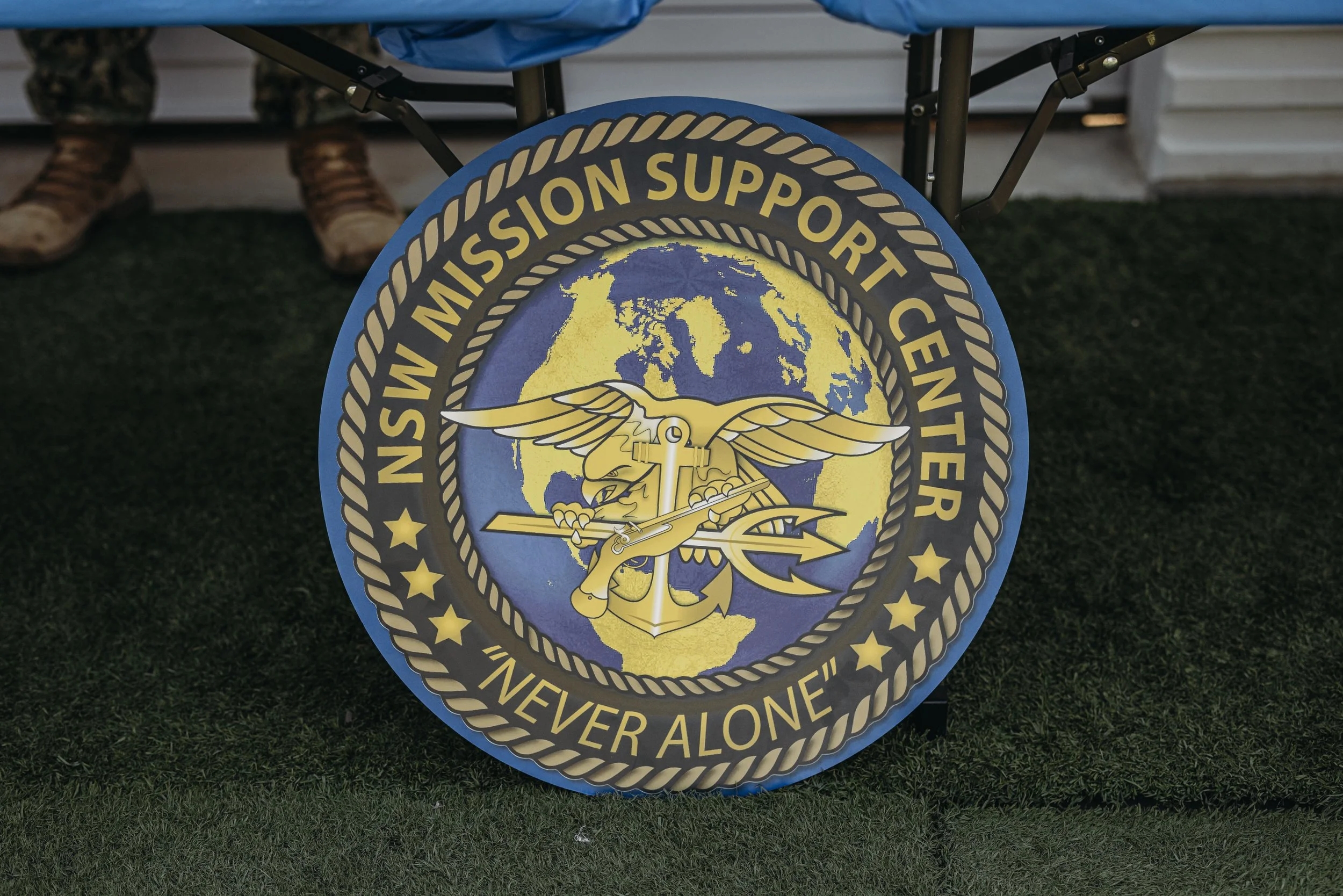
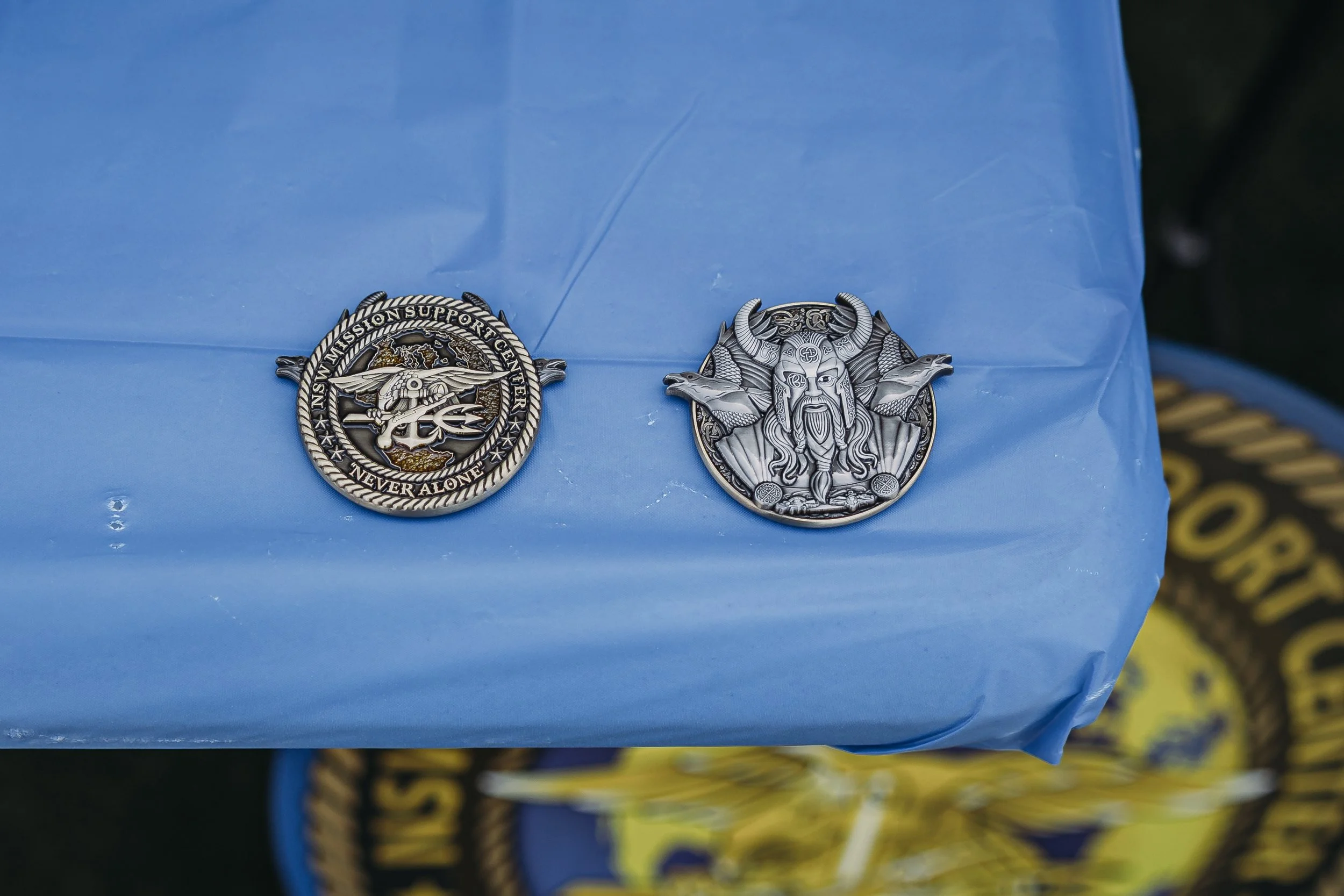
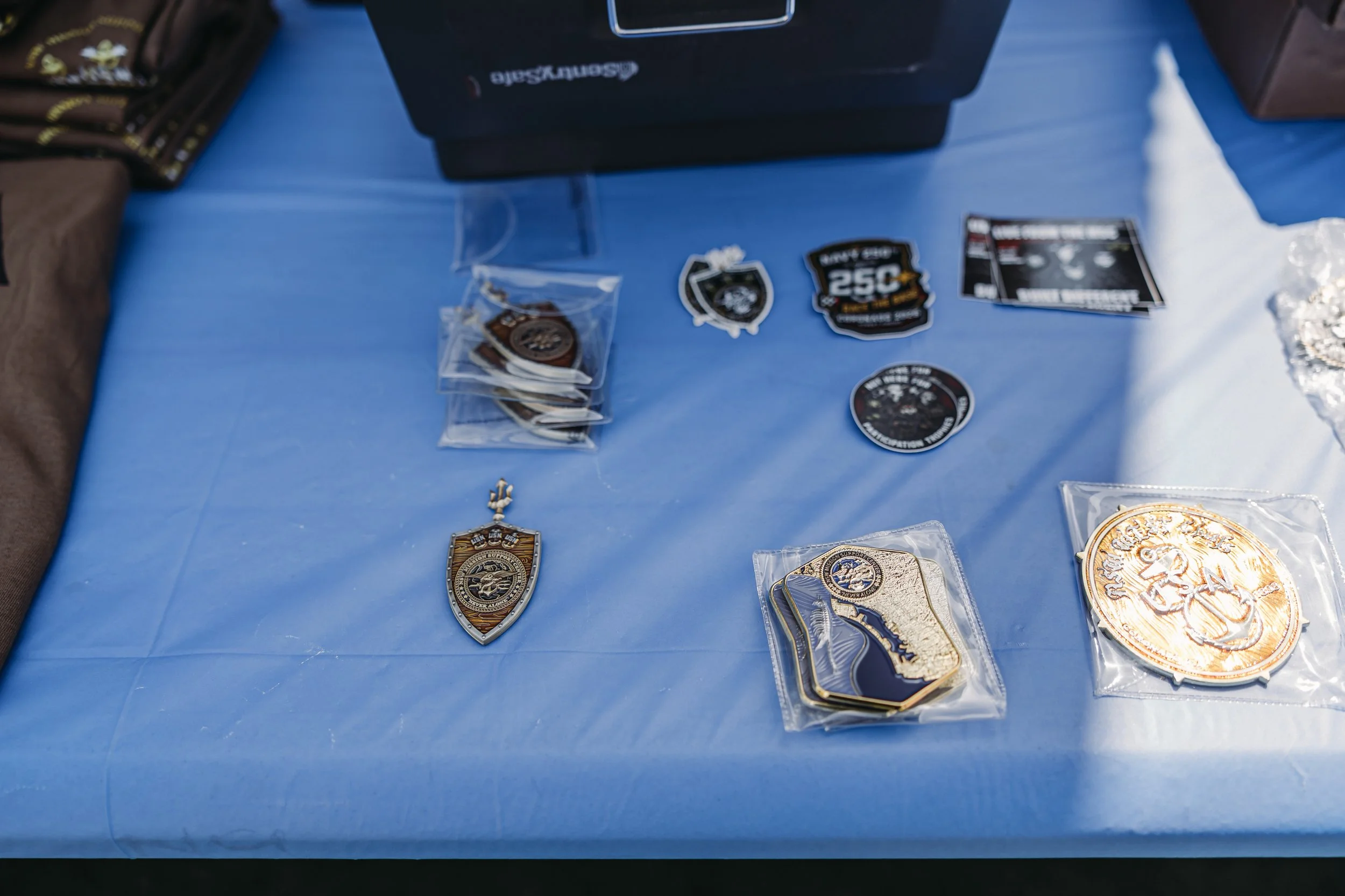
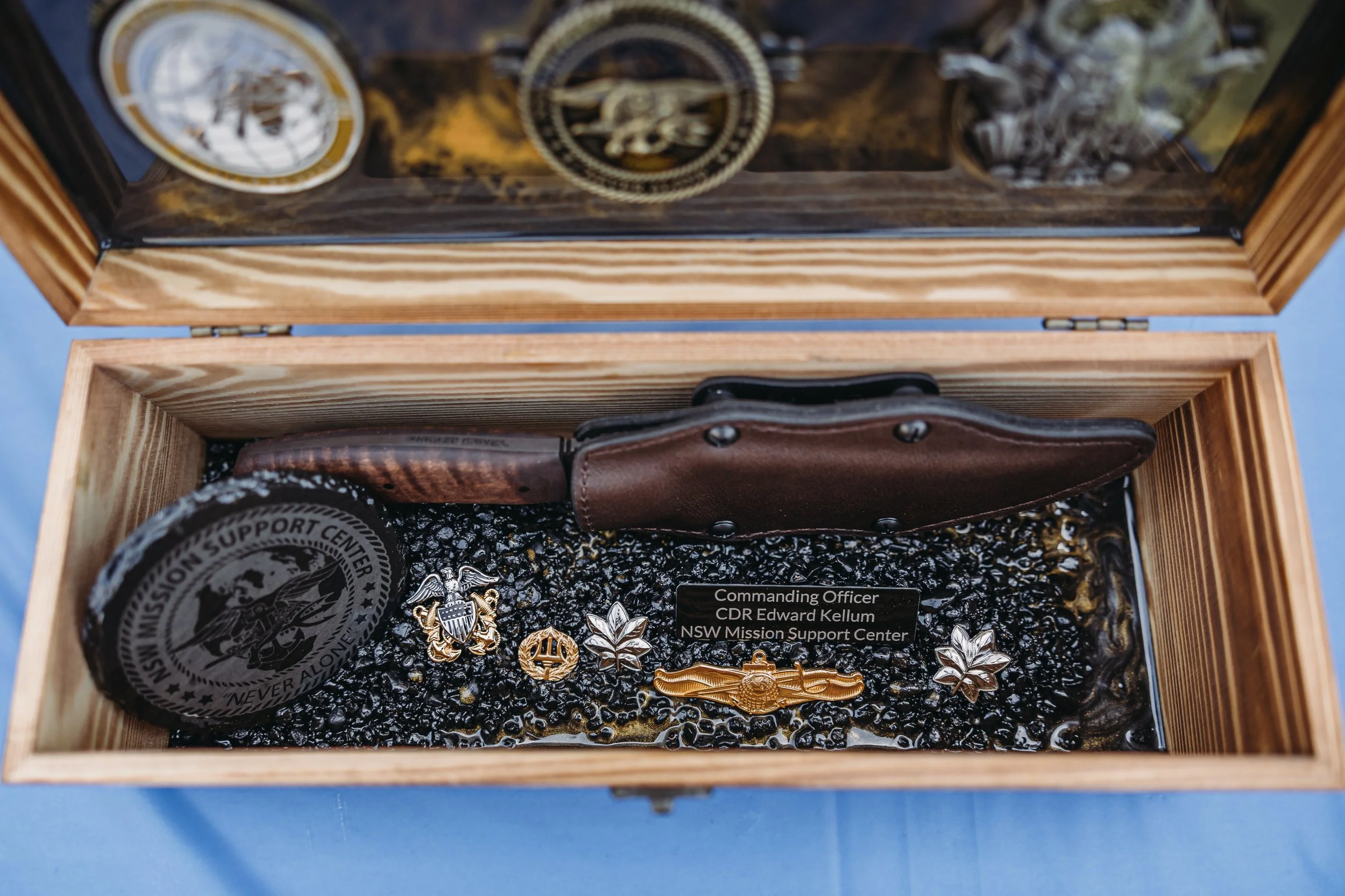
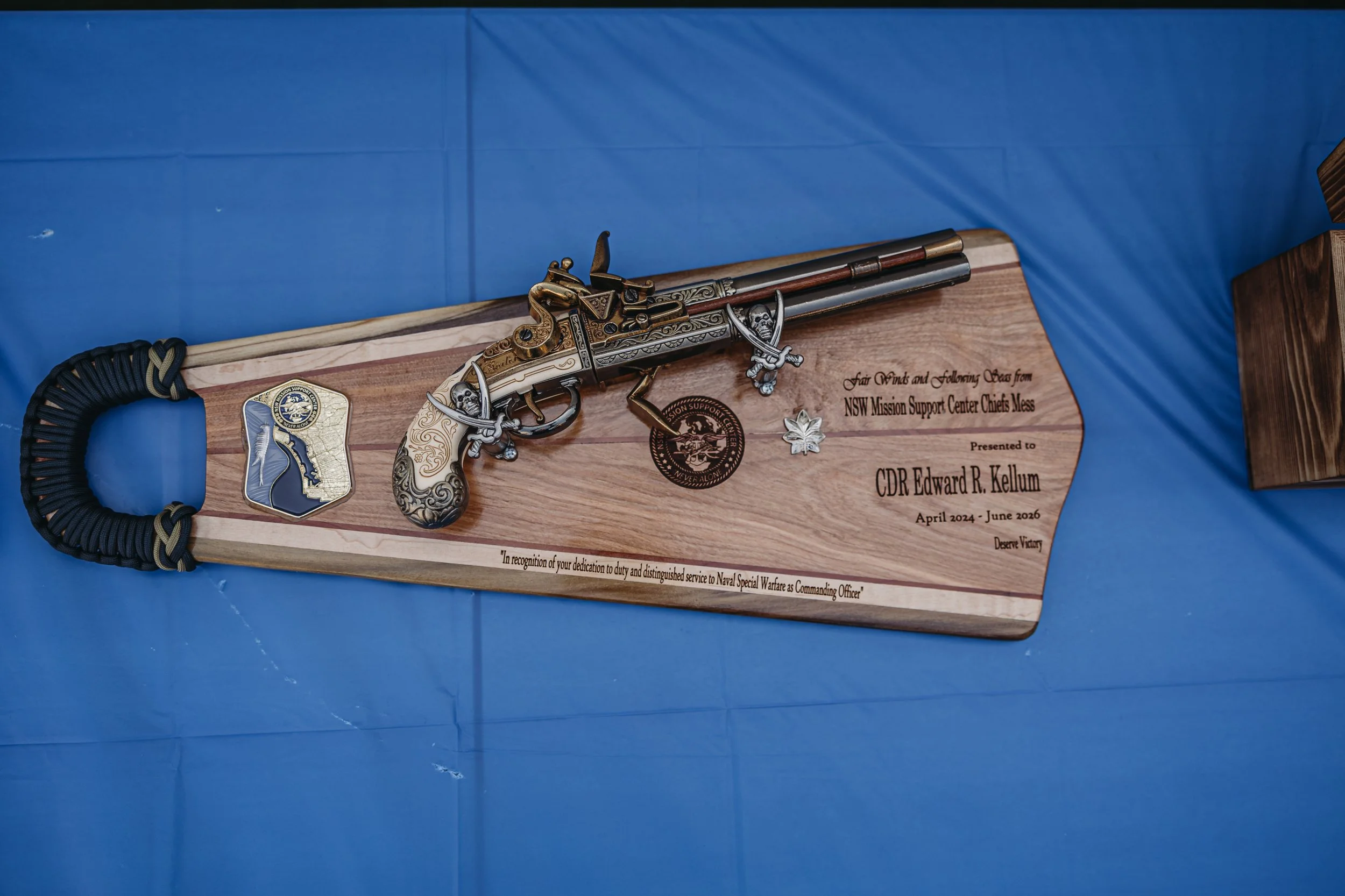
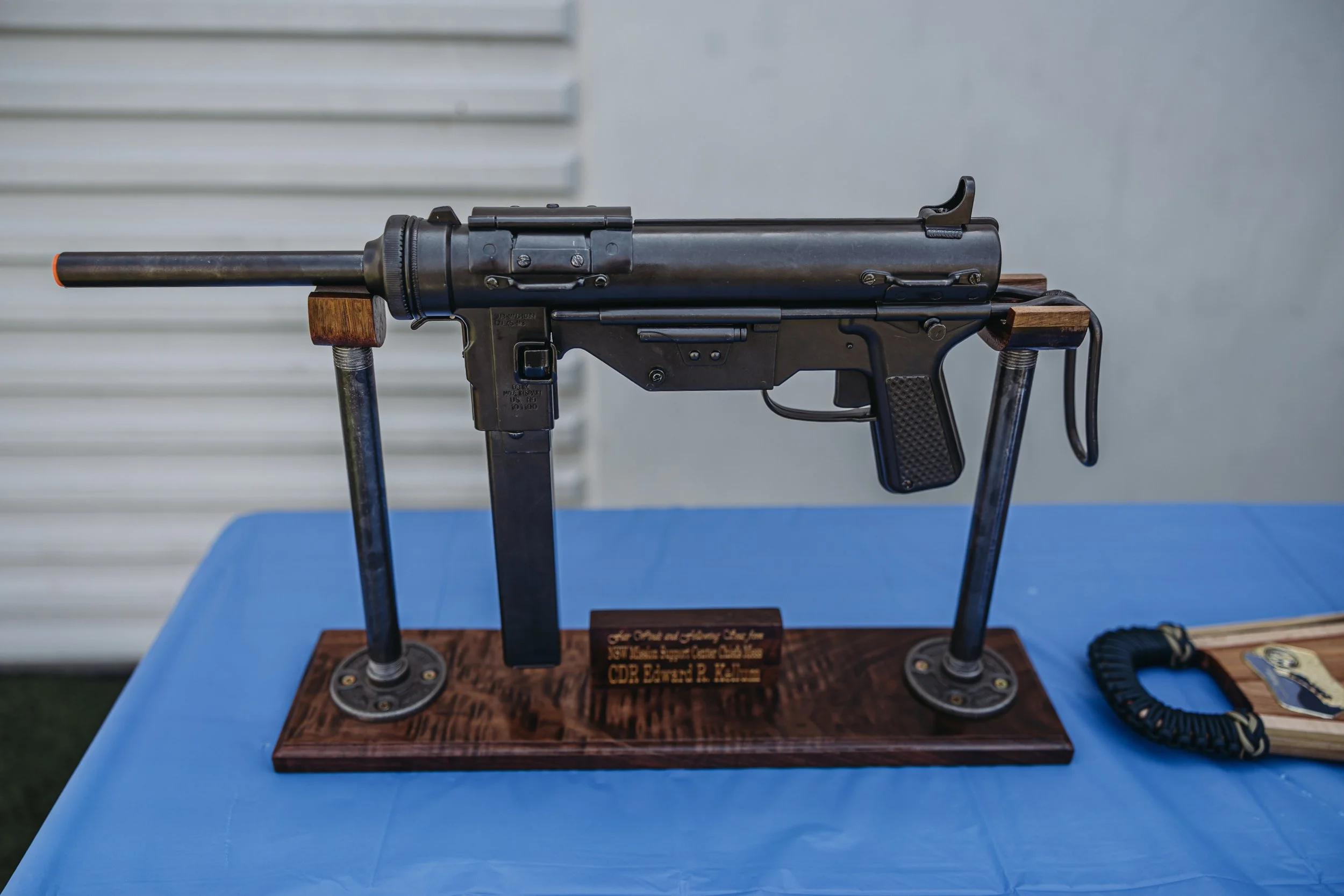
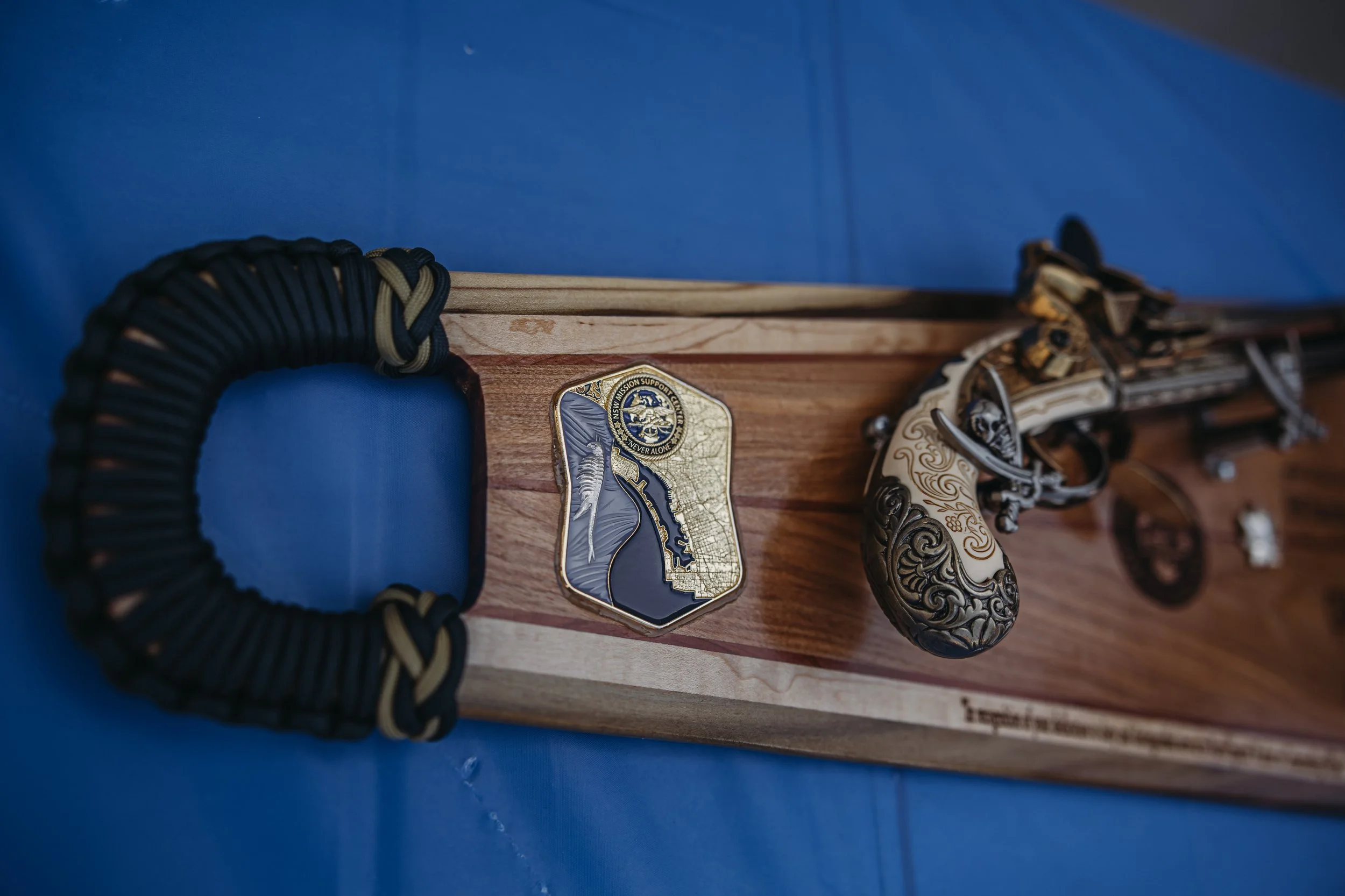
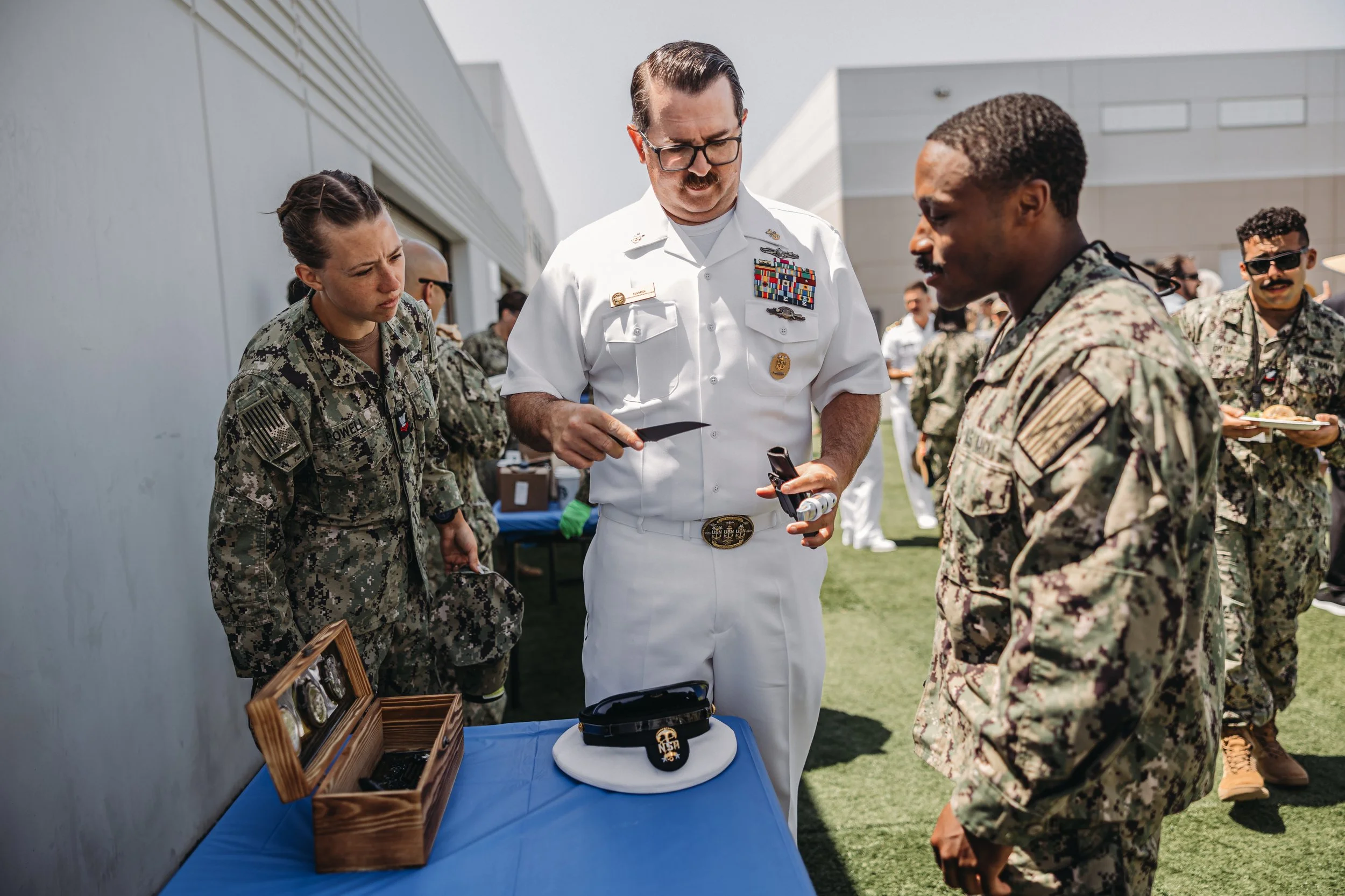
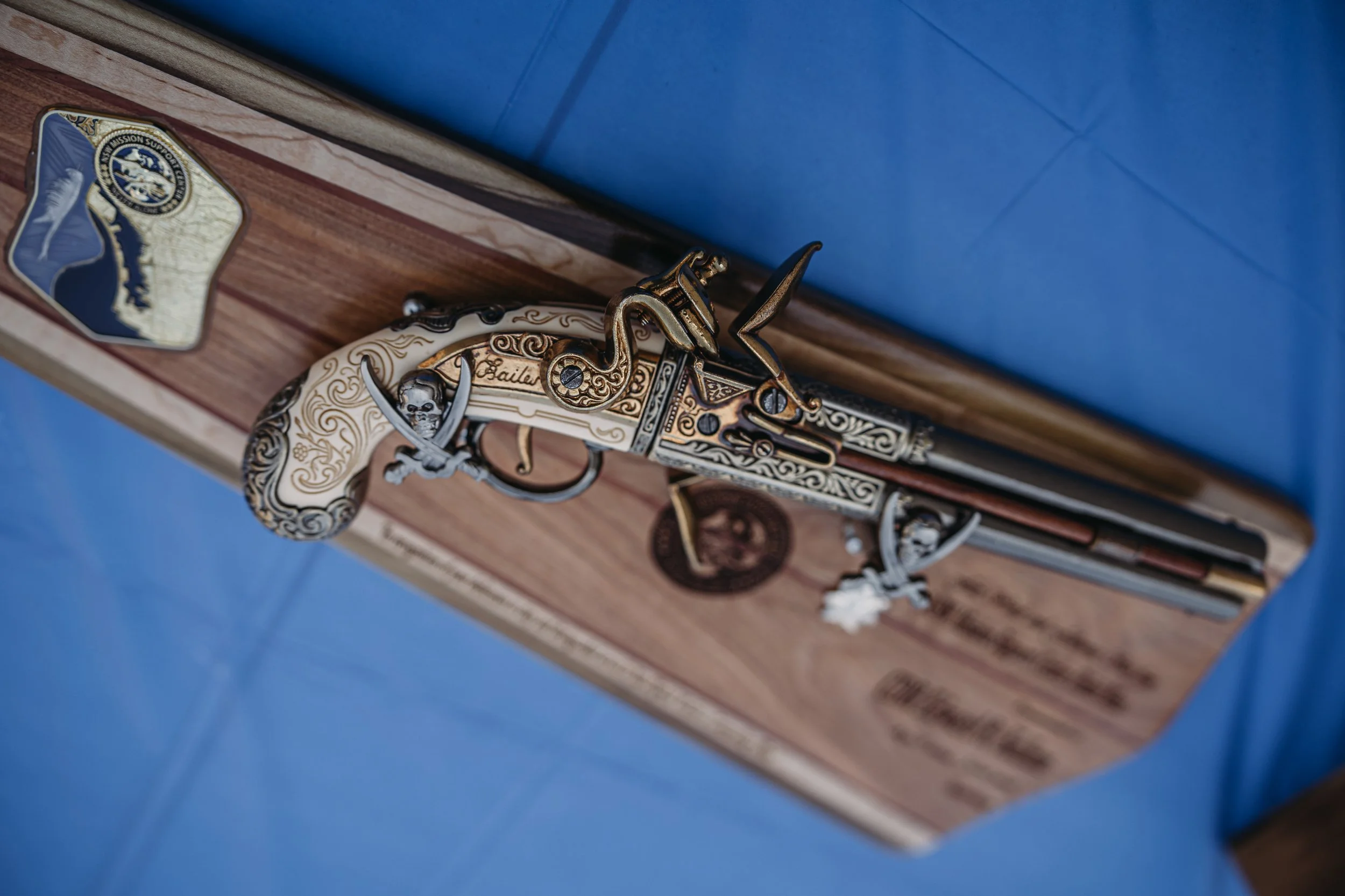
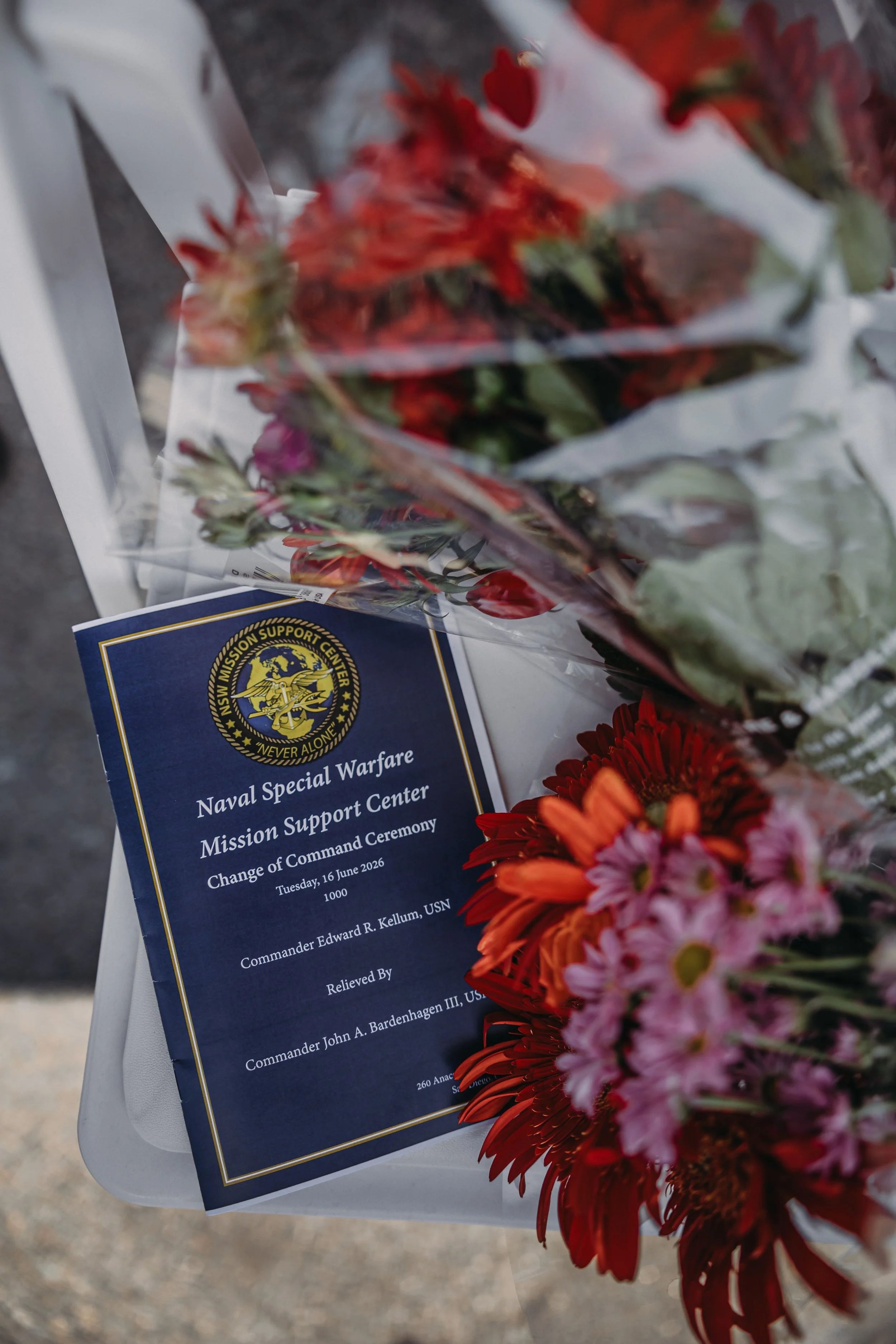
Program detail photo
Recent Military Stories



Instagram Journey
All Recent Blogs


San Diego Military Stories


Tag Cloud
- Military San Diego
- Families
- San Diego Military Photographer
- Portraits
- Couples
- San Diego Events
- Military Homecoming San Diego
- US Marine Corps
- Newborn
- Post-Deployment
- Navy Photographer
- San Diego Marines
- Veteran
- San Diego Military
- Navy Officer
- Military Funeral
- Naval Base San Diego
- Studio Portraiture Work
- San Diego Newborn
- United States Navy
- Children Portraits
- San Diego Military Events
- Miramar National Cemetery
- Military Traditions
- Photographer Life
- Marine Corps Recruit Depot
- Family Updates
- Funeral
- Newborn Photo Tips
- New Marine Parent
- Morning Owl Fine Art Photography
- Marine Drill Instructor
- Extended Family Session
- Female Service Member
- Lifestyle
- Military
- Military History
- Award Ceremony
- Airport Homecoming
- Newborn Lifestyle
- Personal Update
- Marine Bootcamp Graduation Tips
- Client Closet
- Engagement
- US Navy
- Dogs
- San Diego International Airport
- Styled Session
- Military Portraits
- Wedding
- Deployed Mom
- Elopement
- Military Advice
- Navy Photos
- Courthouse Elopement
- Self Portraits
- Military Event Photography
- San Diego Courthouse Wedding
- Navy Dress Whites
- Newborn Boy
- Marine Boot Camp San Diego
- Custom Retirement Ceremony
- Fresh 48
- Author Recommendations
- San Diego Maternity
- Retirement Ceremony Ideas
- Military Officer
- Military Graduation
- Old Glory Ceremony
- Newborn Fresh 48
- Master Chief Retirement
- BalticBorn
- Big Sister
- Patriotic Ceremonies
- Dog Friendly Photographer
- Dual Military
- San Diego Beach Photo Session
- Big Brother
- Military Retirement
- New Dad
- United States Sailor
- USNS Mercy
- Flag Passing Ceremony
- Pet Friendly Maternity Photographer
- HM
- Nursing Portraits
- Maternity Photos with Dogs
- E6 in 6 Years
- Marine Corps Martial Arts Instructor
- COVID-19
- Cambodian American Service Members
- One Year Milestone Session
- United States Marine Corps
- Coast Guard Retirement
- Graduation Photos
- Pregnancy Loss
- Navy Portraits
- Bali Hai Restaurant San Diego
- Female Marines
- NSW San Diego

Looking for the original Old Glory poem, the history behind “My Name Is Old Glory,” or meaningful ways to personalize an Old Glory military retirement ceremony? Learn where the tradition came from, explore ideas I have seen used at real Navy and Coast Guard retirements, and read an original modern Old Glory poem honoring September 11, Iraq, Afghanistan, military families, homecomings, and a lifetime of service.